

















-
Kitesurfing Safety Systems and Quick Release
Element What the evidence supports Planning use Quick release The rider pulls it, and the leash then keeps the kite attached. It is also the step that starts self-rescue when a kite inverts in surf. Know where it is by feel and rehearse the pull on land, not only when something goes wrong. Safety leash…
Latest Stories
Latest Stories
How to Choose a Kitesurfing Kite: Step by Step
Decision What to settle Planning use Riding style Waves, wake, free ride or freestyle Narrows the kite category before size or brand comes into it. Local wind The…


Outdoor Gear
-
Twin Tip vs Directional Board
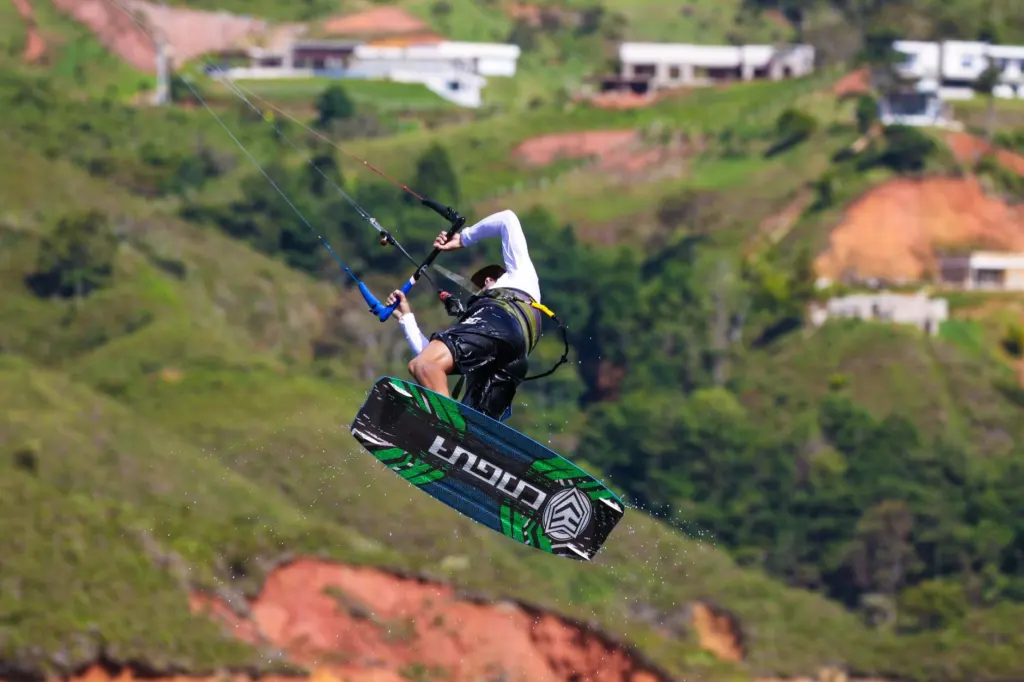
For a twin tip vs directional kiteboard decision, choose a twin tip for learning, jumping and freestyle. Choose a directional for waves and strapless riding once basic board control is solid. The choice sits inside a wider kit decision, covered in kitesurfing gear for beginners. This comparison covers turning, wave use, upwind behaviour and the…
-
Kitesurfing Kite Types Explained
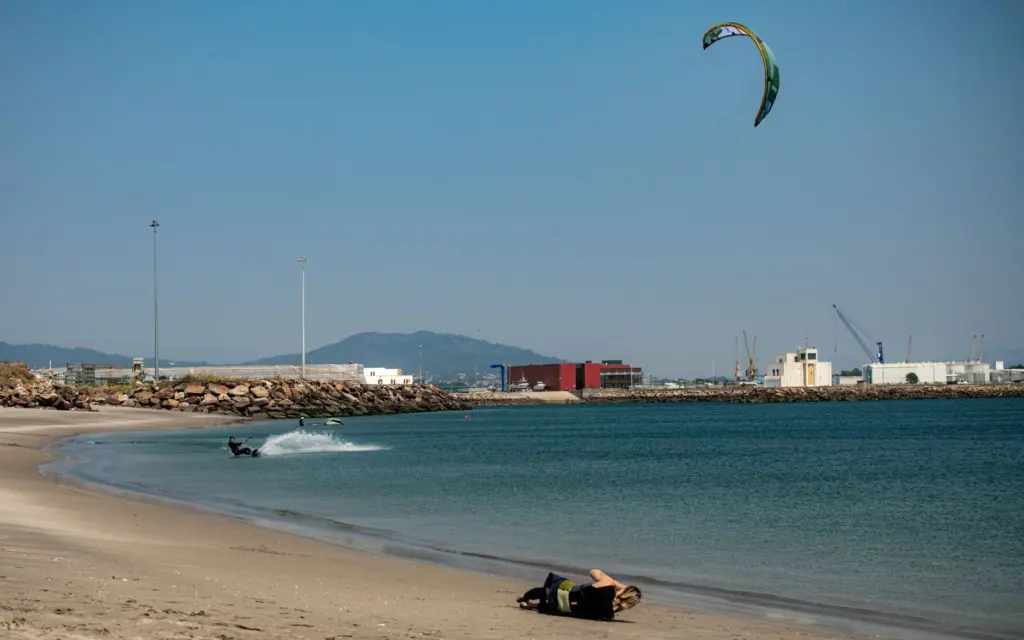
A shop lists bow, delta, hybrid and C kites, and the names sound interchangeable. The main kitesurfing kite types differ in bridles, trailing-edge shape and how much power the rider can shed by sheeting out. This explainer defines each shape and how it flies without ranking kites for purchase. Riders assembling a full kit can…
-
Kitesurfing Wetsuit Guide by Water Temperature
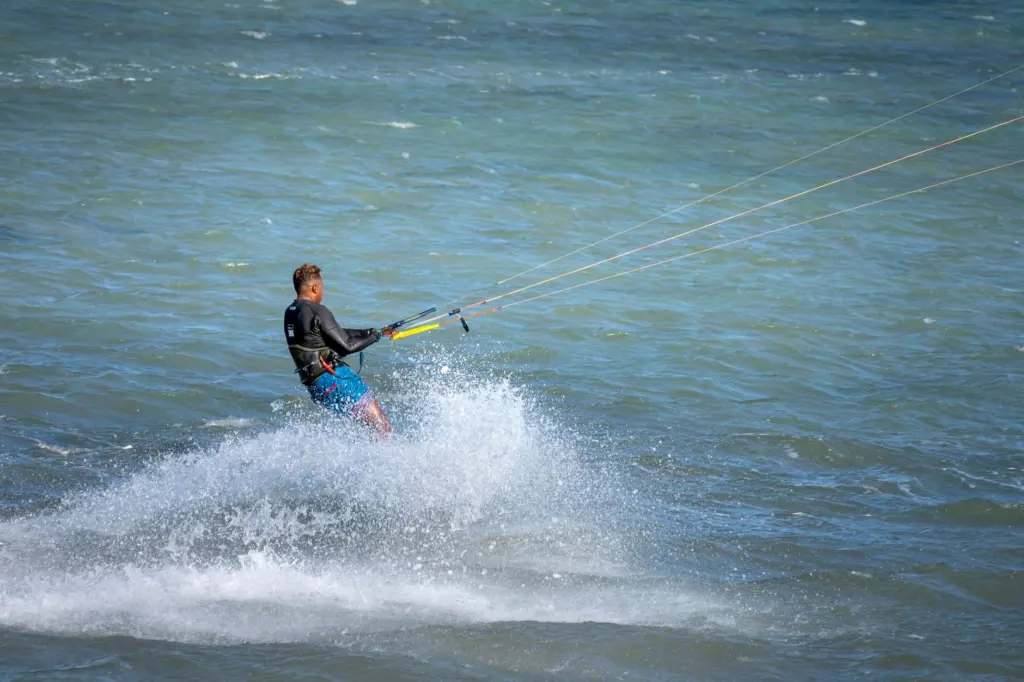
Not sure what to wear for today’s water? This kitesurfing wetsuit guide matches suit style to water temperature: a shorty in warm water, thicker full suits as it cools, and a drysuit for the coldest conditions. Start with the temperature lookup below, then adjust for wind, fit and your own cold tolerance. The suit is…
-
Kitesurfing Helmet and Impact Vest
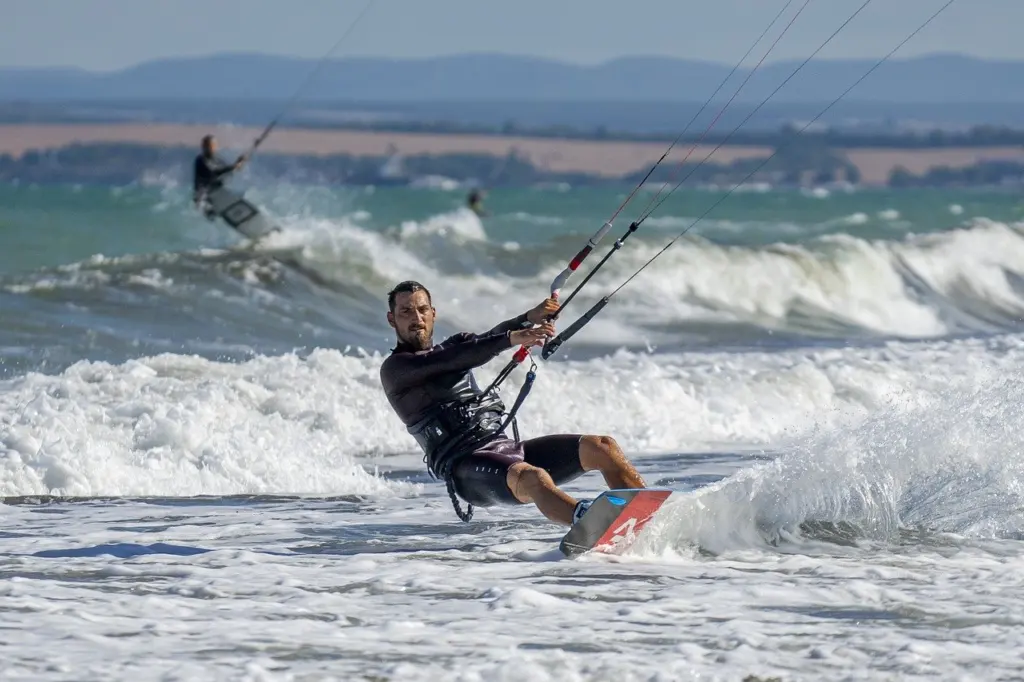
A kitesurfing helmet is a water-specific helmet with an adjustable chin strap and draining ear protection, worn against impact injuries. Pair it with a vest approved for flotation, not just padded, whenever help is far away. Picture a launch beside a rocky shoreline, or a remote session where a rescue boat would take a long…
Kitesurfing Expeditions

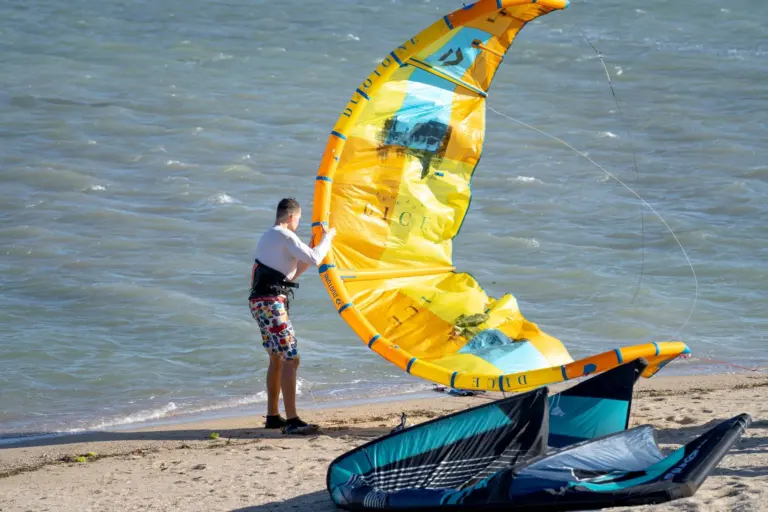
Ocean Adventures
-
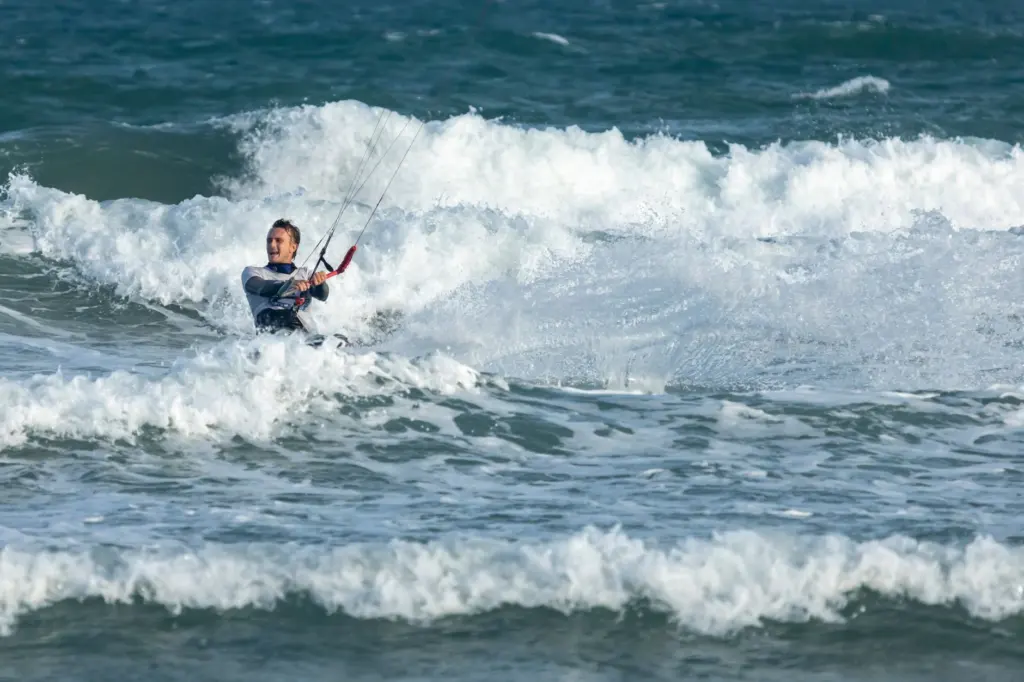
Wave Riding Technique: Bottom Turns and Cutbacks
Read More →: Wave Riding Technique: Bottom Turns and CutbacksA rider drops in, the wave steepens, and the kite starts pulling the wrong way. A clean kitesurfing bottom turn fixes that, because it sets up everything that follows on the wave. Quick answer: Check kite trim before riding, pick a wave that is not closing out, carve the bottom turn at the base of…
-
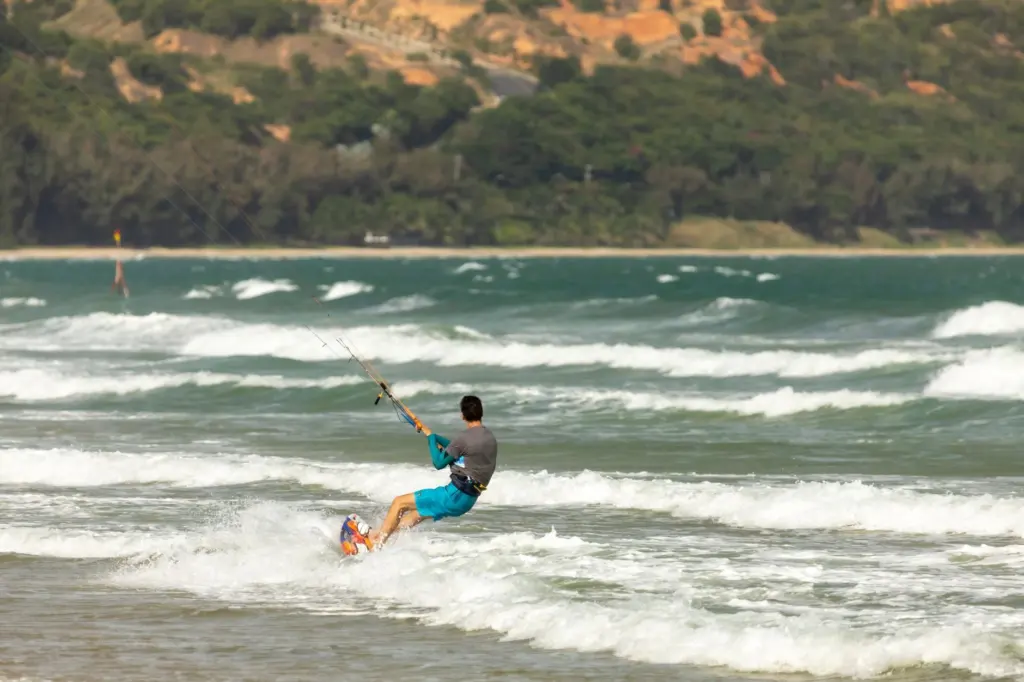
How to Ride Strapless in Waves
Read More →: How to Ride Strapless in WavesThe best strapless kitesurfing tips start with board control: learn to handle a wide directional board, place your feet deliberately, and practise direction changes on flat water before taking the board into waves. This progression builds the board skills that wave sessions assume, so read it alongside the wider guide on how to kitesurf in…
-
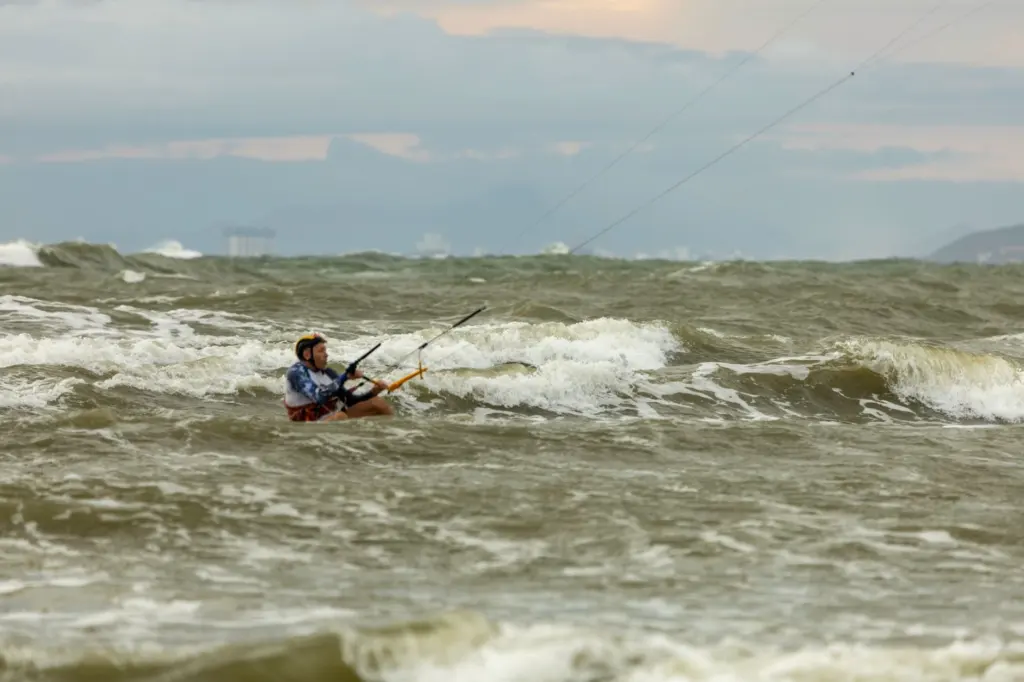
Kitesurfing Big Wave Riding Limits
Read More →: Kitesurfing Big Wave Riding LimitsThe forecast looks huge and the beach looks tempting. For kitesurfing big waves, the limit is whichever is lowest: rider skill, swell energy or the support available on the water and the shore. Read period before height. A long swell period means more power in each wave than the height number suggests. Stay below your…