
Quick answer: how to plan a kitesurfing expedition comes down to a fixed order: agree the concept, choose the team and route, settle the vessel and budget, prepare gear and safety, then depart.
Each stage below gives the decision to make and the point at which to move on. For the wider picture of how a kitesurfing team expedition works, start with the hub guide, then return here for sequencing.
The planning timeline from concept to departure
A kitesurfing expedition is easiest to plan as a chain in which each decision limits the next. Settle purpose and people before route, route before vessel, and vessel before the detailed budget and gear list.

- Concept: write down what the trip is for, such as a downwind run, a multi-day coastal journey or a base-camp trip, and who it suits.
- Team: confirm who is committed and what skills they bring before anything is booked.
- Route: choose the line you intend to travel and the places you could stop or bail out.
- Vessel and support: decide whether you need a boat, and what kind.
- Budget: price the choices already made, then adjust the earlier stages if the total does not work.
- Gear and logistics: pack, ship and test equipment.
- Readiness: rehearse safety procedures, then depart.
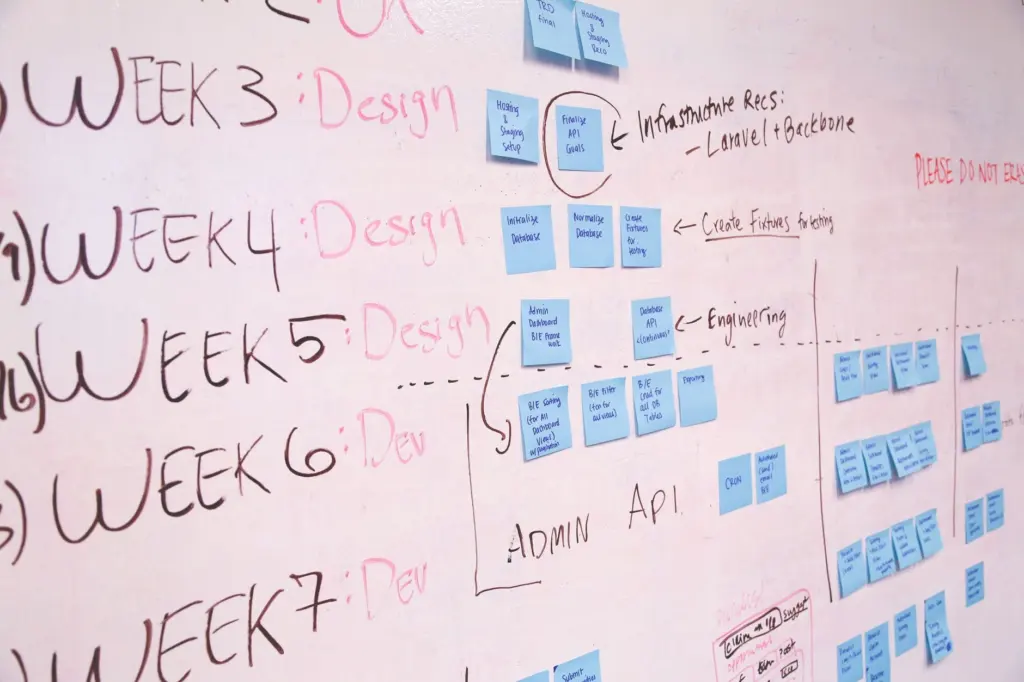
Work backwards from the departure date you want, but let the earlier stages take as long as they need. If the concept or team is still unsettled, booking vessels or flights only adds cost to a plan that may change.
Concept and team
The concept decides almost everything that follows, so write it as a short statement of purpose, intended style of riding and acceptable level of difficulty. A trip built around downwind kiteboarding needs different support from a stationary camp, because the route ends somewhere other than where it began.
Choosing who comes
Pick team members whose ability matches the hardest day you can realistically expect, not the easiest. Agree early on roles such as navigator, boat contact and gear lead. Clear roles prevent the common situation where everyone assumes someone else is watching the route and the equipment.
Setting the style of trip
- Self-contained trips suit teams that want independence and are comfortable carrying everything they need.
- Supported trips suit mixed-ability groups or longer legs, because a vessel can carry spare equipment and provide a place to regroup.
Route selection
Route selection turns the concept into a line on a chart, with stopping points and alternatives marked. Draw the intended route first, then add the places where you could land or be collected if conditions change.
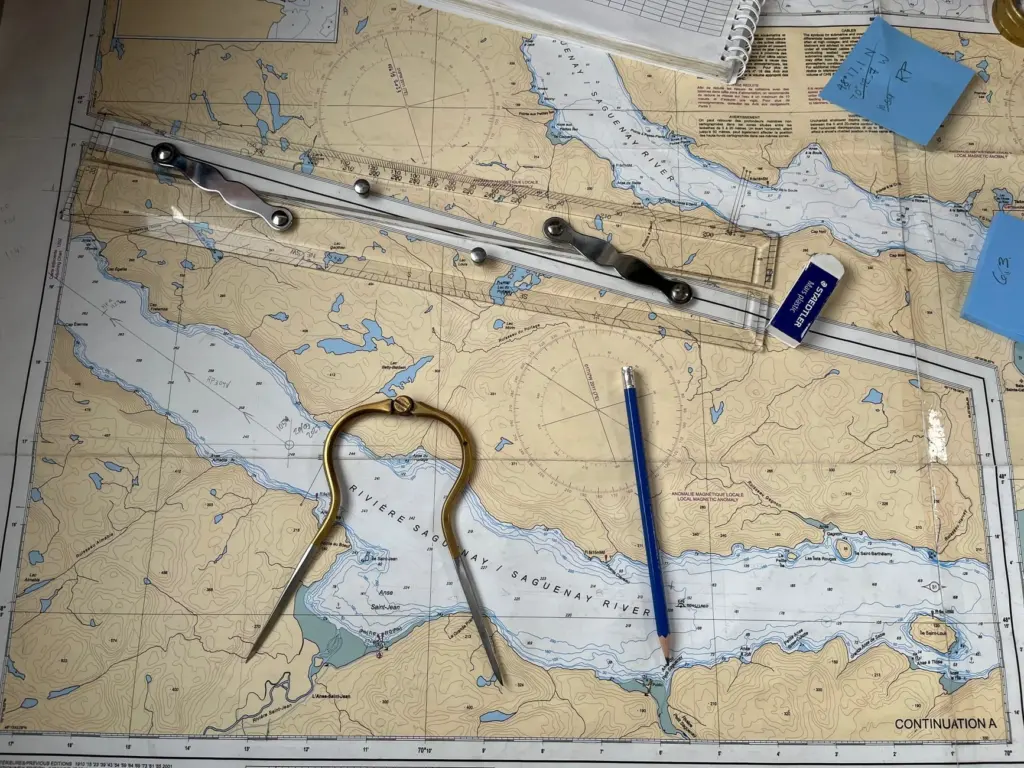
Weather patterns belong in this stage. Check climatology from the relevant national weather service for the region and season you have in mind, and let typical wind patterns shape the route and the dates rather than the other way round.
For downwind sections, plan how people and gear will get back to the start or on to the next stop. Logging sessions with a GPS is recommended in one kitesurfing GPS guide, particularly for downwinders, which gives the team a record of the line actually ridden for later routes.
Vessel and support
A support vessel is the biggest single planning decision after the route, because it affects cost, crew, where you can stop and how much gear you can carry. Decide whether you need one before you price anything else.
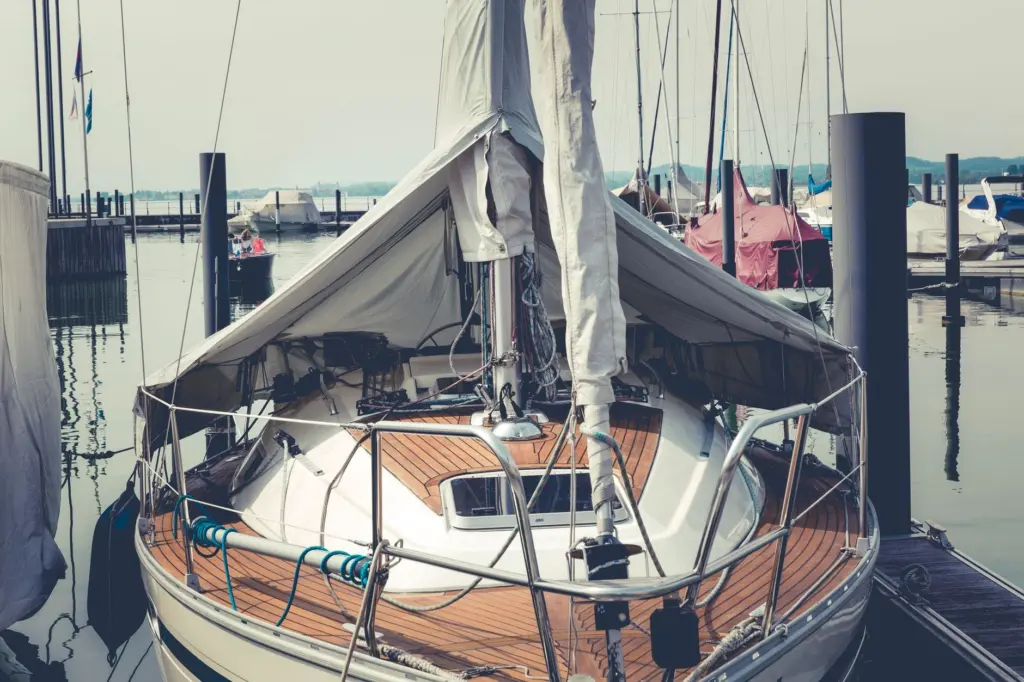
If you are comparing charter options, ask each operator what the vessel can carry and where it can stay with the team. The details of choosing a support boat for kitesurfing expedition work, including what to expect from it, sit in their own guide so this plan can stay focused on sequence.
Budget
Build the budget after the route and vessel are chosen, so it prices real decisions rather than guesses. Group costs by stage so that a change in route or vessel shows up clearly in the total.
- Vessel and crew: usually the largest line, and the one most affected by the route.
- Travel and shipping: people, kites, boards and cases all need to reach the start.
- Tracking and safety equipment: choices here range widely, from a compact unit to premium devices.
- Contingency: keep a reserve line for repairs, delays and replacement gear.
If the total is too high, change the concept or route before cutting safety equipment. That order protects the parts of the trip that matter most.
Gear and logistics
Gear preparation starts with a shared list and ends with everything tested before it is packed. Assign one person to own the list so that nothing is assumed.
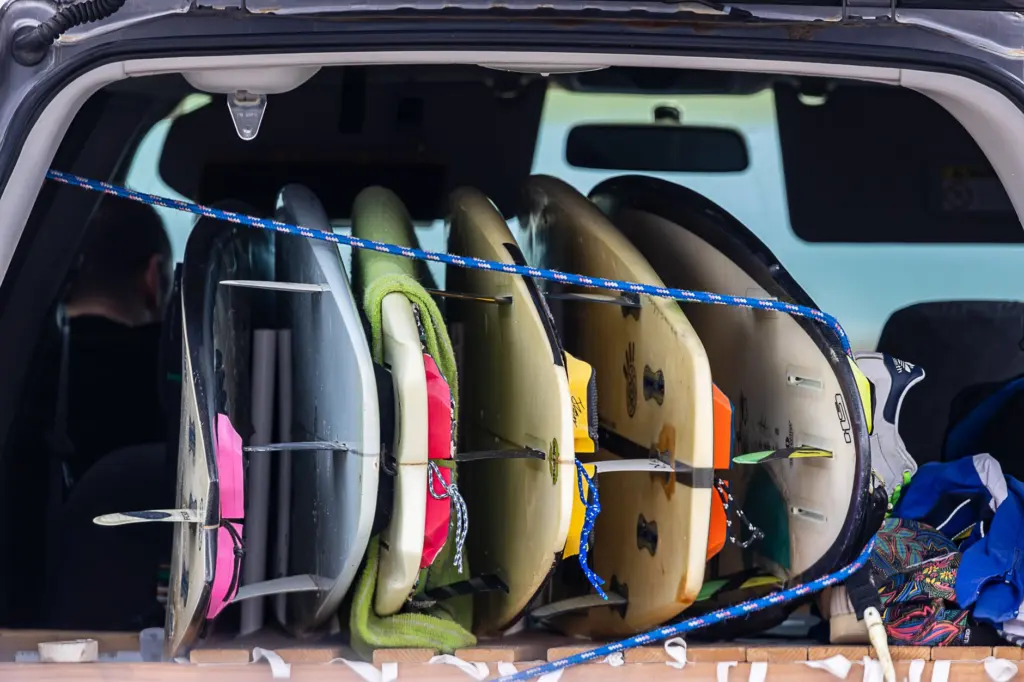
Check each item for wear, pack protectively for the transport you have chosen, and carry spares for the parts most likely to fail. Anything you rely on for navigation or tracking should be charged, configured and tried in advance.
Tracking and navigation kit
A GPS tracker is the most useful single electronic item to settle early, because it records the route and, on some units, helps you follow one. A compact GPS is the better fit for kitesurfing, and the table shows the choices that affect planning.
| Feature | What to look for | Planning use |
|---|---|---|
| Size and mounting | Compact unit; wrist mounting gives the easiest access | Choose something the rider can check without stopping. |
| Water protection | IPX8-rated, fully sealed units can be used without a waterproof case; units merely described as waterproof may let water in and be destroyed | Buy a sealed IPX8 unit, or carry others in a waterproof pouch in the vest front pocket or an arm or harness pouch. |
| Track log download | Desirable feature. The Garmin Edge 705 is compact with a USB interface, while the Garmin 310XT and 910XT download logs wirelessly over ANT with no direct USB connection | Check how logs reach your laptop before the trip, not on the trip. |
| Route navigation | Only in high-end devices such as the premium-priced Garmin Quatix; second-generation units store a waypoint but cannot navigate a route | Pay for route navigation only if the team will navigate on the water with the unit. |
Device details are drawn from a kitesurfing GPS guide, which treats these as practical selection points rather than fixed standards.
Safety and readiness
Readiness checks are the last stage before departure, and they are a team activity rather than a form. Rehearse the briefing on a beach with everyone present, and walk through what each person does if a rider is in trouble.
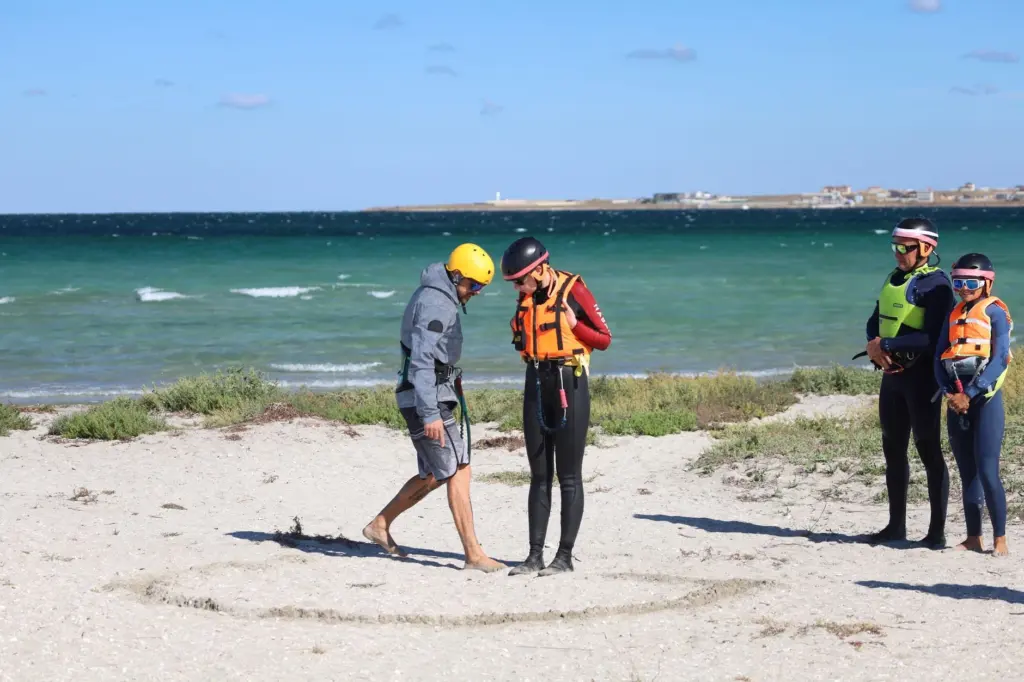
Make sure every rider knows kitesurfing self rescue before leaving shore, since the support arrangements described earlier do not replace it. If any rider is unsure of those techniques, delay departure and fix that first.
Troubleshooting common planning problems
- The budget is too high: revisit the concept and route before the safety kit. A shorter route or simpler support often saves more than trimming equipment.
- Team members drop out: re-check roles and the vessel size before replacing anyone, because the plan was built around the original group.
- The route no longer fits the season: return to the weather climatology and move the dates or the route rather than accepting a poor fit.
- Tracking data will not transfer: test the download method for each device at home, because the interfaces differ between models.
- The plan keeps growing: go back to the written concept and remove anything that does not serve it.
Frequently asked questions
Where should a team start when planning an expedition?
Start with a written concept and a confirmed team, then move on to route, vessel, budget, gear and readiness in that order.
Can session tracks be shared after the trip?
Yes. Track logs from Garmin units can be uploaded to the free Garmin Connect website, and they can also be uploaded to GPS-kitesurfing.com to compare with other riders, according to the same GPS guide.
Will a GPS watch last the whole day?
Not necessarily. The latest GPS watches use a lot of battery with the GPS turned on, so plan to recharge them frequently.
Is a GPS tracker needed for downwind kiteboarding?
It is not required, but logging sessions with a GPS is considered interesting for downwinders because it records the line you rode.