| Reader situation | Spot | Conditions | Planning use |
|---|---|---|---|
| Warm-water trip with steady wind | Cabarete | Steady trade winds; waves can get big | Beginners should be careful; check wave size before launching |
| Strong wind systems and a big scene | Tarifa | Levante and Poniente wind systems | Plan around wind direction rather than a single season |
| Moroccan summer beach break | Sidi Kaouki | Atlantic beach break, open ocean; main wind window April to September | Best with the summer trade winds |
| Smaller waves in a Moroccan trip | Imsouane | North wind blows offshore; small and medium waves | Look here when wave size is the concern |
| Advanced riders in Morocco | Moulay Bouzerktoun | Atlantic waves with reef/rock sections; strongest wind April to September | Advanced freeride spot; hazards are in the bottom |
| Intermediates stepping up | Salamansa | NE trades, side- to cross-onshore; best October to June | Suits intermediates and up |
| Experts chasing reef waves | Ponta Preta | Top-flight reef break | Expert-only |
Spot details come from the Kitesurfing Official wave-spot directory, with Cabarete’s wave caution from the Ocean Dream Cabarete blog.
The best wave kitesurfing spots in the world split by break type and rider level: Salamansa suits intermediates and up, Moulay Bouzerktoun is advanced, and Ponta Preta’s reef break is expert-only.
Pick a spot by honest skill level first and by wind season second. For technique before you travel, read how to kitesurf in waves.
Spots for steady wind and straightforward travel
Two destinations stand out for riders who want a dependable breeze and an established kiting scene. Neither is a pure beginner wave spot, so each needs a clear view of its limits.
Cabarete, Dominican Republic
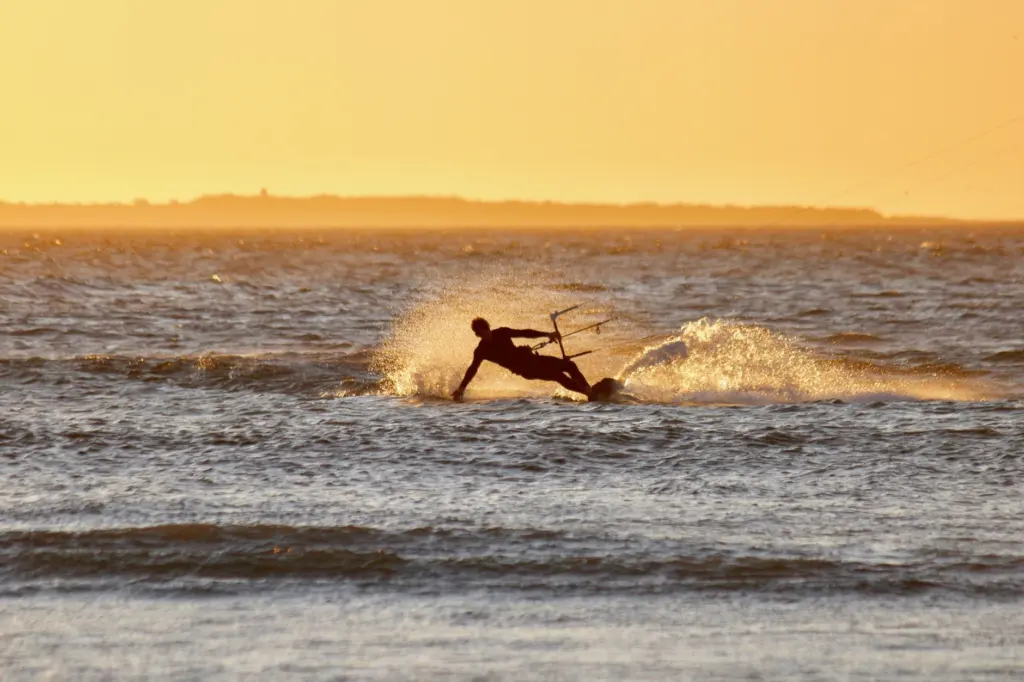
Cabarete is a warm-water wave destination built on steady trade winds. According to the Ocean Dream Cabarete blog, the trade winds blow steadily across the island, and the water is warm and good for swimming. No water-temperature range is given, but the same source puts average air temperature at 27°C (81°F), with highs around 30°C (86°F). It is coolest from December to February and hottest in August.
The main caution is wave size. The waves can get big, so beginners should be careful. That makes Cabarete a good fit for riders who already handle a board and kite confidently and want warm conditions to build wave skills. Riders still learning basic control should wait until they are comfortable in smaller surf.
Tarifa, Spain
Tarifa is defined by its wind rather than a single swell pattern. The Kitesurfing Official directory describes it as featuring the Levante and Poniente wind systems and a massive riding community.
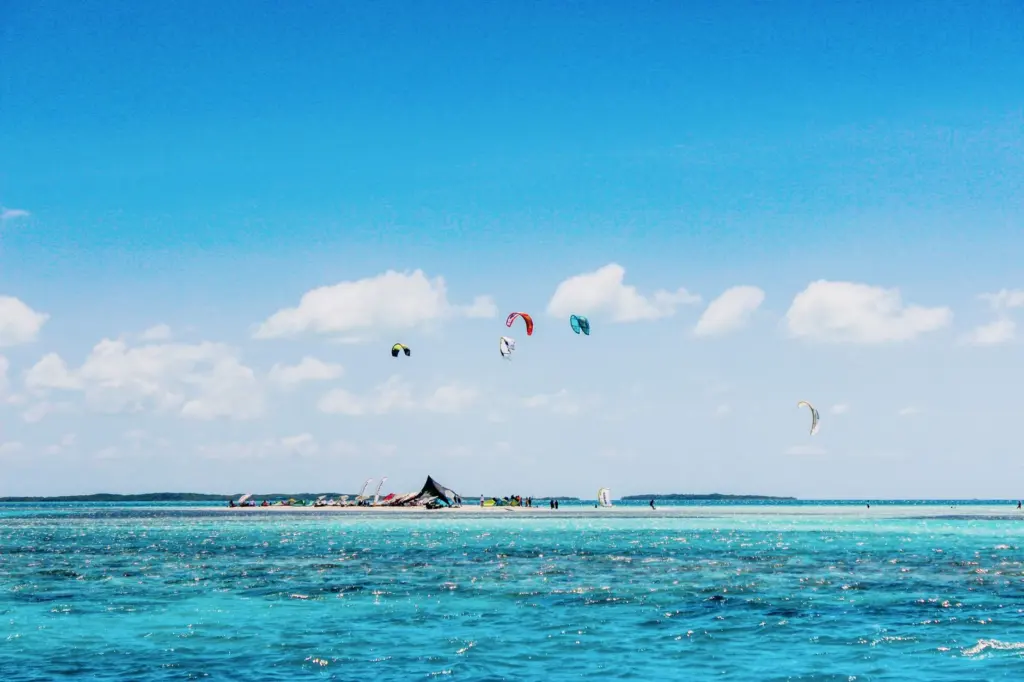
Those two systems are the planning variable. Levante and Poniente are different winds, so check which one is blowing before you choose a launch. A large riding community also means a busy shoreline, so riders who prefer open water should think about timing their sessions.
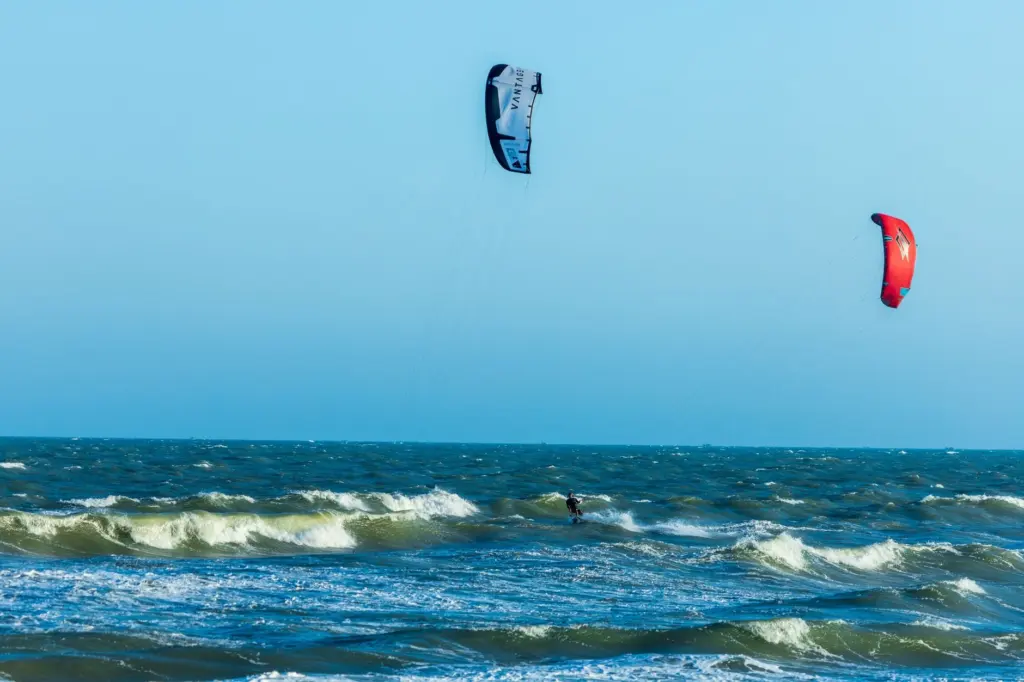
Spain is one of the countries holding the most listed wave spots, so Tarifa is a sensible base for a wave-focused European trip. Riders who want to compare it with other regions can use the table above as a starting filter.
Moroccan Atlantic spots across the difficulty range
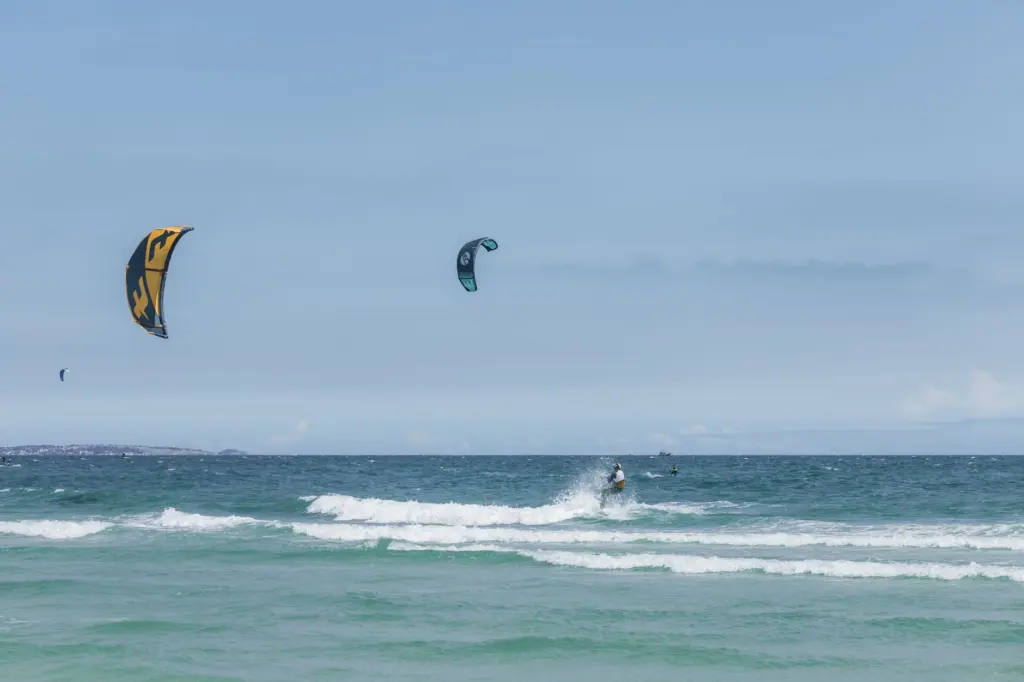
Morocco is one of the three countries holding the most listed wave spots in the Kitesurfing Official directory. It is also useful for planning because its listed spots span a wide spread of difficulty on one coast.
Sidi Kaouki
Sidi Kaouki is an Atlantic beach break in open ocean. Its main wind window runs from April to September and is best with the summer trade winds. A beach break is a sensible choice for riders who want waves without a reef underneath, though open ocean still calls for respect.
Imsouane
Imsouane has small and medium waves, and the usual north wind blows offshore. Wave size is the attraction here. Riders who find bigger surf intimidating can use the size as a reason to shortlist it, while remembering that an offshore wind direction changes how a session feels compared with an onshore one.
Moulay Bouzerktoun
Moulay Bouzerktoun is listed as an advanced freeride spot north of Essaouira. It has Atlantic waves and reef/rock sections, and the strongest wind arrives from April to September. The reef and rock sections are the key hazard, and the advanced label is a direct signal that this is not a first wave destination.
Stepping up to reef and expert waves
Reef waves reward preparation more than any other type in this list. The two spots below sit at the upper end of the difficulty range.
Salamansa
Salamansa is the stepping-stone. The directory says it is better suited to intermediates and up, with NE trades that blow side- to cross-onshore and are best from October to June. That season runs opposite to the Moroccan April to September window, so the two destinations can complement each other across a year of travel.
Intermediates who book it should already be comfortable riding in gusty, onshore-leaning wind. Practise the turn that sets up every wave, the kitesurfing bottom turn, on forgiving waves before relying on it here.
Ponta Preta
Ponta Preta is described as an iconic, expert-only wave spot featuring a top-flight reef break. A reef break means the wave breaks over a fixed bottom, which makes the line-up less forgiving than sand. The expert-only label is the whole planning message: riders below that level should watch rather than launch.
Anyone considering any reef spot should read about kitesurfing over reef safety first, because the hazards sit below the surface where they are hard to judge from the beach.
Choosing between spots
Three questions narrow the shortlist quickly, and the order matters.
- Level first. Start with the rider-level label. Expert-only and advanced spots drop out for anyone below that level, however good the season looks.
- Wind season second. Moroccan spots lean on the April to September window, Salamansa on October to June, and Cabarete on steady trades. Tarifa depends on which wind system is blowing, so its timing is set by direction.
- Hazard type third. Decide whether you prefer a sandy beach break, a spot where wave size is the issue, or a spot where reef or rock sits below the surface.
Riders working across regions can treat Morocco as the broadest single-coast option, Spain as the wind-system option and the Caribbean as the warm-water option. Spots with unlisted details deserve a local check before you commit to flights.
Frequently asked questions
| Question | Answer |
|---|---|
| Which countries list the most wave kitesurfing spots? | The Kitesurfing Official directory lists 112 wave spots in 29 countries, and Brazil, Spain and Morocco hold the most of them. |
| How far is Cabarete from the airport? | Cabarete is about a 45-minute drive from the airport in Puerto Plata, according to the Ocean Dream Cabarete blog. |
| Which spots are expert-only or advanced? | Ponta Preta is listed as expert-only, and Moulay Bouzerktoun as an advanced freeride spot with reef/rock sections. |
| Which wind systems shape Tarifa? | Tarifa features the Levante and Poniente wind systems, so wind direction decides the conditions on any given day. |