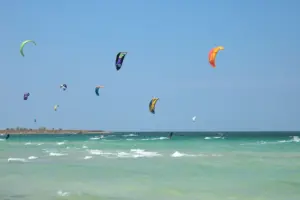
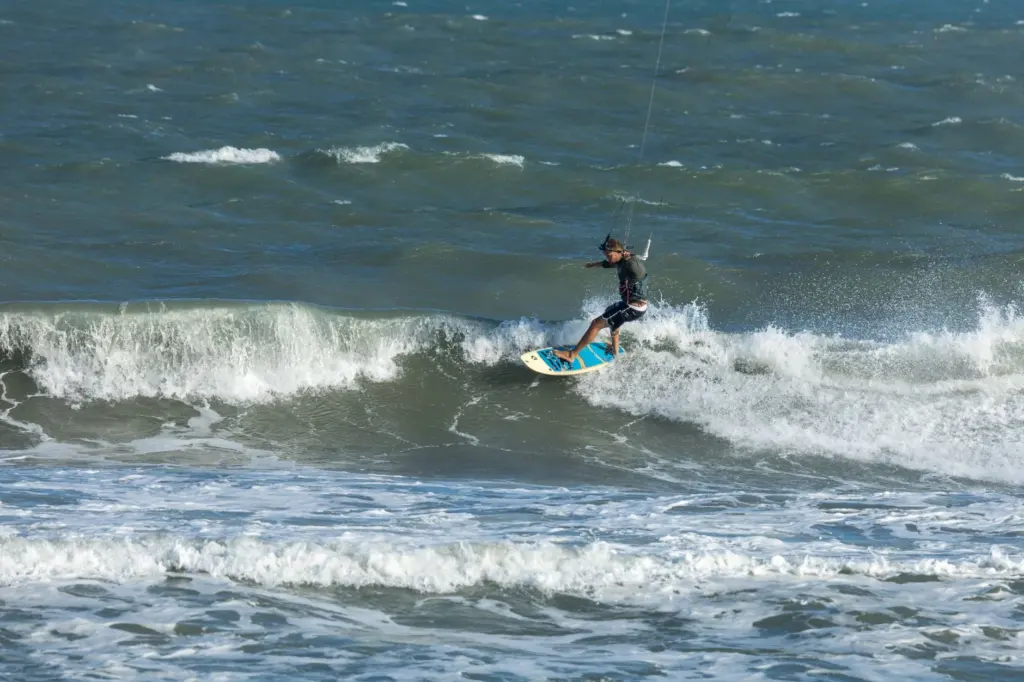
Picture a beach with waves rolling in and a steady breeze: how to kitesurf in waves begins with reading wind direction, tide and hazards, then using the wave face as a ramp while the kite supplies the speed.
Quick answer: yes, you can kitesurf in waves, and the order matters. Check the spot first, choose a wind direction that suits your level, then learn to ride the wave. Skip any step and the session gets harder or less safe. If conditions are doubtful, stay ashore.
Wave riding builds on the skills needed to kitesurf in waves, which you should be able to perform comfortably before heading to a surf beach. The sections below follow the order of a real session: choose a route, read the beach, understand the wind, respect the ocean, launch, get out, ride and choose gear.
Choose your route through wave kitesurfing
Wave kitesurfing is riding ocean waves with a kite for power, on a board that suits the wave. Where you start depends on what you can already do and what worries you most. Pick the route that fits, and come back to the others when you are ready.
- You are new to ocean conditions. Start with conditions and safety, not technique. The sections on reading the beach, wind direction and ocean hazards will do more for your first wave sessions than any manoeuvre. A lesson with a safety briefing is a sensible way into ocean riding.
- You ride flat water confidently. Your kite control carries over, and so does relaunching. Focus on how waves change your launch, your way out through the surf and your angle into the wave.
- You want to ride a surfboard with a kite. Go straight to the board section, then the technique section. This route suits riders who already like the idea of strapless riding and want to understand what changes.
- You are planning a trip. Spend time on forecast reading, tide and the notes on reef and storms. Then look at best wave kitesurfing spots in the world to compare regions.
Whichever route you take, the unique angle of this guide is simple: conditions first, then safety, then technique. Waves reward riders who arrive prepared and punish riders who rush the beach check.
Reading the beach before you rig
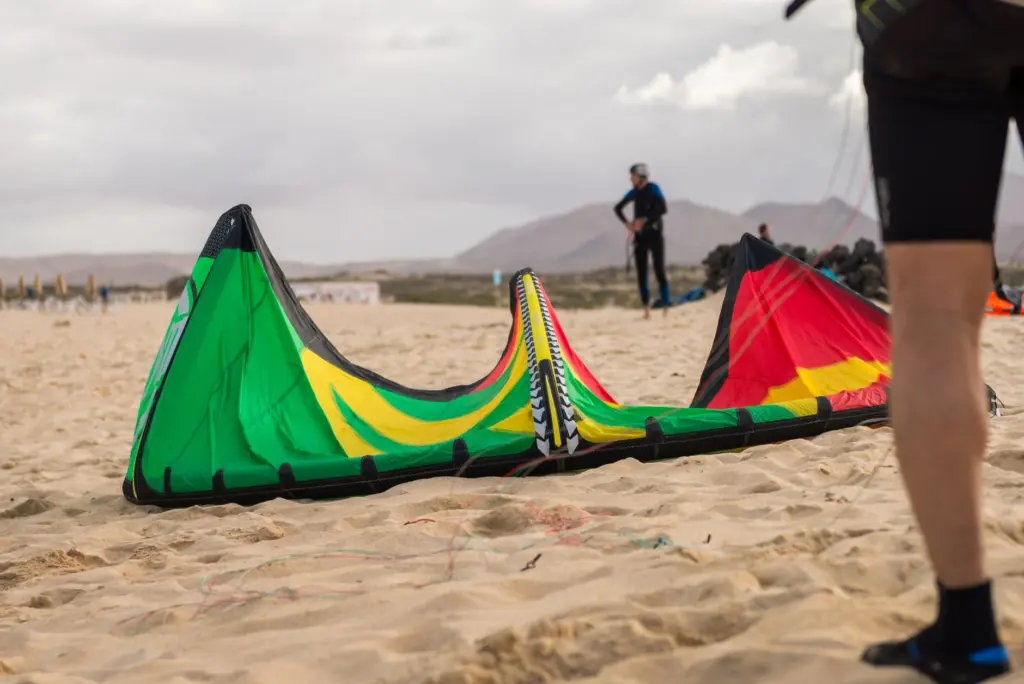
The most useful skill in wave kitesurfing happens before the kite leaves the bag. Kite schools build a spot assessment into lessons, and one instruction school lists weather forecast, wind, tide and hazard awareness as the core of it. Treat that list as your own routine whether or not you have an instructor.
The four checks
- Weather forecast. Know what the sky and the models expect for the whole session, not only the moment you launch. Our guide on how to read a kitesurfing forecast explains wind and swell outputs in more detail.
- Wind. Look at direction relative to the shore, because direction decides how safe and how easy the session will be. The next section covers this.
- Tide. Tide changes how a spot behaves and how water moves through it. Learn the local pattern before you commit to a long session.
- Hazards. Note where the waves break, what lies beneath them, and who else is in the water. Reefs, rocks and other water users all change where you should ride.
Reading the waves themselves is its own craft. Watching sets arrive from the beach before you rig tells you where waves start to break and where the calmer channels lie. Our guide on how to read waves kitesurfing goes deeper into wave shape and timing.
When to wait
Do not rig because you have driven a long way. If the forecast, the wind or the hazards do not line up, waiting costs only time. One school of thought is blunt about this: when in doubt, don’t go out. That advice applies to every wave session, not only to storms.
Wind direction and what it does to wave riding
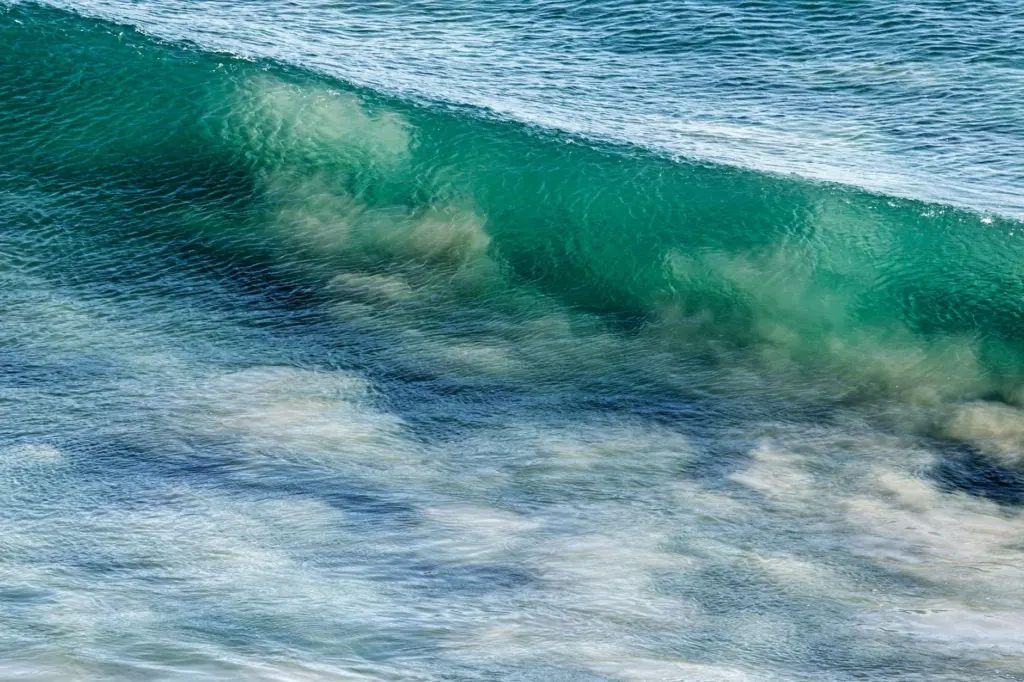
Wind direction relative to the beach is the biggest single factor in how a wave session feels. It sets the angle at which you meet each wave, and it decides how forgiving the day is if something goes wrong. IK Surf Magazine notes that wind direction affects the angle at which you hit a wave.
Cross-shore: the easiest setup
The same magazine says that when there are waves and the wind is cross-shore, setting up should be fairly easy. For most riders learning waves, this is the direction to wait for. It lets you ride along the wave face and the beach without being blown straight onto the shore or straight out to sea.
Offshore: handle with care
Offshore wind is wind blowing from land toward the sea. The magazine’s view is that offshore wind makes waves tricky to learn in. There is also a safety side, because an offshore breeze pushes you away from the beach if you lose control or power. Read our guide on offshore wind kitesurfing danger before you ever consider it, and treat it as a condition for experienced riders with support.
Side-by-side summary
| Condition | What it means for wave riding | Planning use |
|---|---|---|
| Cross-shore wind with waves | Setup should be fairly easy, and the wind sets a workable angle into each wave. | The best choice for learning wave riding. |
| Offshore wind | Tricky to learn in, and it pushes you away from shore. | Leave it for later, with experience and support. Do not use it to learn. |
| Sudden wind spikes from rainbands | Rainbands from a hurricane or tropical storm can cause sudden spikes in the wind. | Check radar for approaching rainbands before you go out, and stay ashore if they are close. |
These points come from IK Surf Magazine and a Florida kiteboarding school’s storm guidance.
Tides, swell and currents
Tides and swell shape the conditions you actually ride. Swell is the wave energy that arrives at a beach, and tide changes the water level and the water movement at a spot. Together they can turn the same beach into a different place over the course of a session.
How tide affects a session
Instruction schools list tide as a standard spot-assessment item for good reason. At some spots the tide alters where waves break and how much water covers hazards. Our guide on kitesurfing tides explains the cycle and its effect on currents. As a habit, look up the local tide before you travel to a spot, and again on the morning of the session.
Currents and deep water
Fast-moving water is a hazard in its own right. One kite school’s advice for stormy periods is to avoid deeper water or places where there are fast moving currents. That advice comes from a storm context, but the logic extends to any wave day. If you cannot see where the water is going, ride closer to shore and in company.
Storm surge
Storm surge is a potential factor when tropical systems are near. It is a water-flow hazard rather than a wind hazard, so a day that looks rideable from the wind forecast alone can still be unsafe. If a storm system is in the region, treat tide and surge information as seriously as wind speed.
Safety before technique
Is kitesurfing in the ocean dangerous? It carries real risks, and those risks are manageable only when you plan for them. Waves, currents, reefs, shifting wind and other water users add hazards that flat, forgiving lagoons do not. The sensible response is preparation, not avoidance.
Equipment and checks
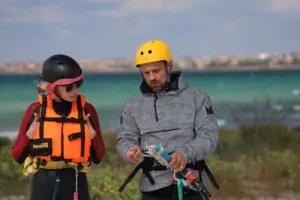
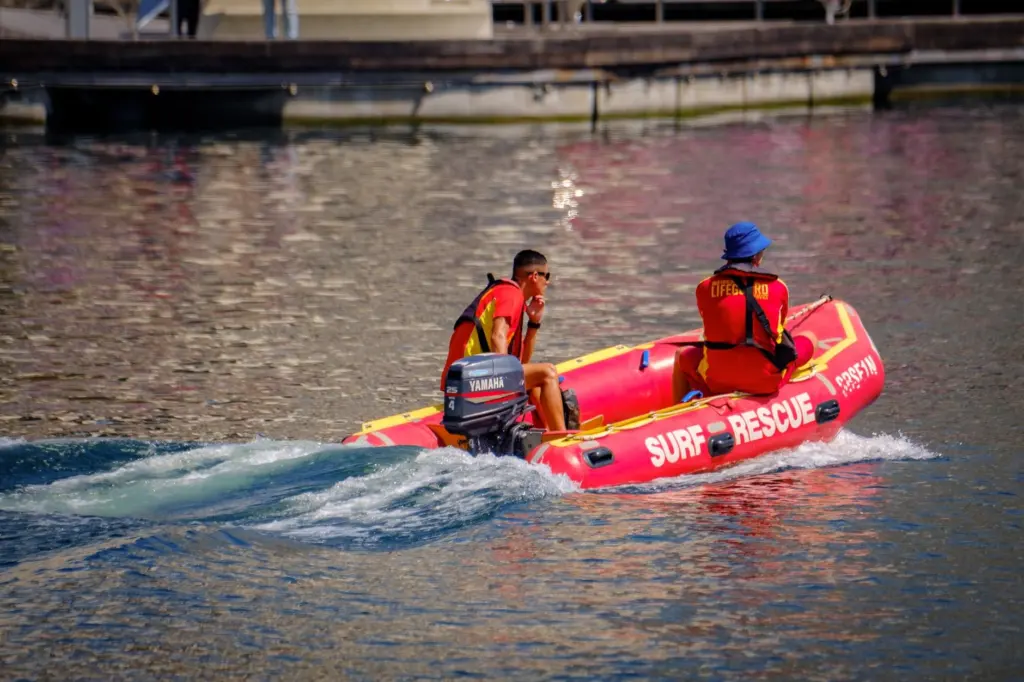
Before you fly, inspect the quick release. It is a named step in one school’s lesson checklist, alongside a safety briefing and guidance. Our guide to kitesurfing safety equipment covers what an open-ocean kit should include. If you are new to the ocean, book instruction where the briefing is part of the lesson.
Reef breaks and shallow water
A reef break is a wave that breaks over a reef, and the reef is part of the hazard picture. In stormy conditions, one source calls shallow water spots the safest places to kiteboard. That is a point about avoiding deep water and strong currents. It does not mean a reef bottom is harmless. Weigh the two together, and read our guide to kitesurfing over reef safety before riding any reef break.
Squalls and storms
Rainbands can cause sudden spikes in wind, so check the radar for approaching rainbands before you launch. Forecast wind alone will not warn you. If a squall line is approaching, the answer is to land and stay ashore. Our guide on kitesurfing squall safety explains how to make that call.
Launching and getting out through the surf
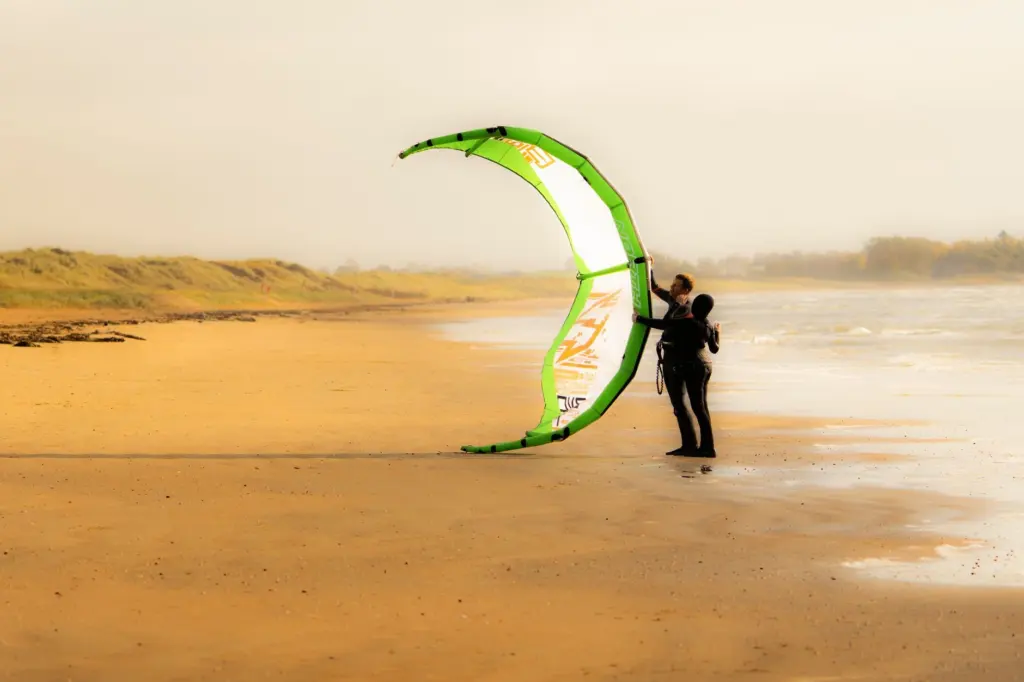
Launch and landing are where wave beaches differ most from flat-water beaches. You often have less clear sand, moving water at your feet and other people nearby. Plan your launch spot during the beach check, not after you have the kite in the air.
Launch and land
Our guide on launching a kite on a surf beach covers the practical details. In general, pick a spot clear of the break and of other riders, and keep a helper nearby when you can.
Relaunching in the water
The reassuring part is that relaunching your kite when it goes down in the surf is really no different from relaunching in flat water, according to one wave-riding coach. If you have practised relaunch reliably on flat water, that skill transfers. If you have not, fix it before you try waves.
Getting out past the break
Getting out is its own task. You need to cross the area where waves are breaking and reach the water beyond, and doing it smoothly saves energy. Our guide on how to get out past breaking waves kitesurfing walks through the approach. Treat the trip out as part of the session plan, not a chore. If you are not comfortable with it, the conditions are too big for your level that day.
Riding the wave: technique
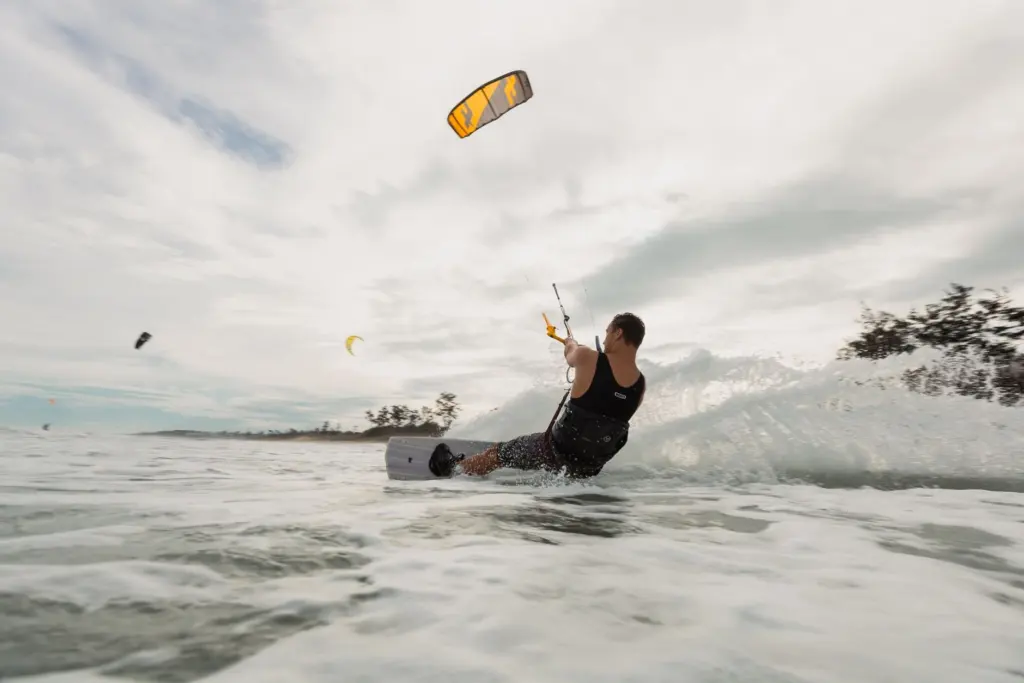
With conditions understood and safety covered, the technique is approachable. The core idea is simple: let the wave do part of the work. The kite also contributes. One coach observes that the kite gives you all the speed you could ever want on a wave.
Use the wave as a ramp
For your first waves, ride the small, rolling chop and use the face as a ramp. The IK Surf Magazine advice on wave chop is to let the ramp do the work. That means you do not need to force a jump or a turn. Pick a line, meet the wave at a sensible angle, and let its shape give you the lift or the turn.
Frontside and backside
Wave riding is taught as a progression that includes frontside and backside riding, as one introductory video on riding waves describes. Frontside means riding with your chest toward the wave face. Backside means riding with your back toward it. Learn one comfortably, then the other, rather than mixing them from the start. Your wind direction will often make one side more natural on a given day.
Turns on the wave face
Once you can ride a line, the turn at the bottom of the wave is the first manoeuvre worth practising. Our guide to the kitesurfing bottom turn explains the sequence and how it leads into cutbacks. Practise on small, forgiving waves where a mistake costs little.
Why riders chase the wave
Part of the pull is how exhilarating it is. The same coach describes getting barrels as one of the most exhilarating things in kitesurfing. That is an aspiration for later. Use it as motivation to build your base, not a reason to chase hollow waves too early.
Boards and kites: strapless, twin-tip and directional
What is the difference between strapless and twin-tip riding? A twin-tip is the board most flat-water riders already use, with straps to hold your feet. Strapless riding means riding a surfboard-style board with the kite and no foot straps. A source on introductory wave lessons describes the goal as everything you need to start riding a surfboard with a kite.
Which suits you
- Stay on a twin-tip if you are still building basic wave-riding awareness. It is familiar, and you can learn wind direction, launching and getting out without also learning a new board.
- Move to a directional board if you want to ride the wave face in the way surfers do. Our guide to directional vs twin tip kiteboard waves compares the choices in detail.
- Try strapless riding if you are confident with kite control and relaunching. Our strapless kitesurfing tips explain how to ease into it.
Choosing the kite
Kite choice follows the conditions you expect and the style you want to ride. Our guide to the best kite for waves explains what to look for. Decide your board approach first, and then choose a kite that fits it.
The experience of an ocean session
Wave sessions reward patience. Time on the beach watching the sets, a steady cross-shore breeze and a rider who has checked the radar and the tide are the ingredients of a good day. The ride itself is often short compared with the preparation, and that is a fair trade.
If you are planning a trip, compare regions on wave type, wind direction and hazards, not just on photographs. Build your first ocean sessions around forgiving conditions, and add difficulty slowly. Progression in waves is not a race.
Frequently asked questions
| Question | Answer |
|---|---|
| Can you kitesurf in waves? | Yes. Choose a wind direction that suits your level, such as cross-shore, and use the wave face as a ramp. Check weather, wind, tide and hazards before launching. |
| Is kitesurfing waves harder than flat water? | Waves add moving water, launch and landing challenges and an angle to manage. Skills like relaunching carry over from flat water, but you also need to read conditions and hazards. |
| What wind direction is best for learning waves? | Cross-shore. A coach at IK Surf Magazine says setup should be fairly easy with waves and cross-shore wind. Offshore wind is tricky to learn in. |
| Do I need a surfboard to ride waves with a kite? | No. You can ride waves on a twin-tip while you build skills. A surfboard-style board is the route to strapless riding when you are ready. |
| When should I stay ashore? | Stay ashore when conditions are doubtful, when radar shows approaching rainbands that could cause sudden wind spikes, or when you cannot assess currents and hazards. |