

A kitesurfing kite size chart matches rider weight to wind speed in knots. Heavier riders and lighter winds call for bigger kites, measured in square metres. Treat every figure as a starting point, not a rule.
Picture arriving at the beach with a forecast average and one question: which kite goes up? The quick answer is below, and the sections after it cover what moves you off the chart. For wider equipment context, see our guide to kitesurfing gear for beginners.
- Light riders in strong wind: the small rider group (60-75 kg) is listed at 5-7 m² for 18-25 knots.
- Average riders at 15 knots: 9-12 m² is the listed size for the 15-18 knot band.
- Heavy riders in light wind: 14-17 m² is listed for 10-15 knots.
- Anything lighter than your row suggests: go up a size.
Finding your starting size by weight and wind
Kite size is measured in square metres (m²), and weight and wind speed are the two inputs that set it. Omni Calculator states that kite sizes are determined by your weight and the wind speed, not by your experience. Heavier riders may need larger kites to generate the same power as lighter riders in the same wind, so weight moves you along the chart as much as the wind does.
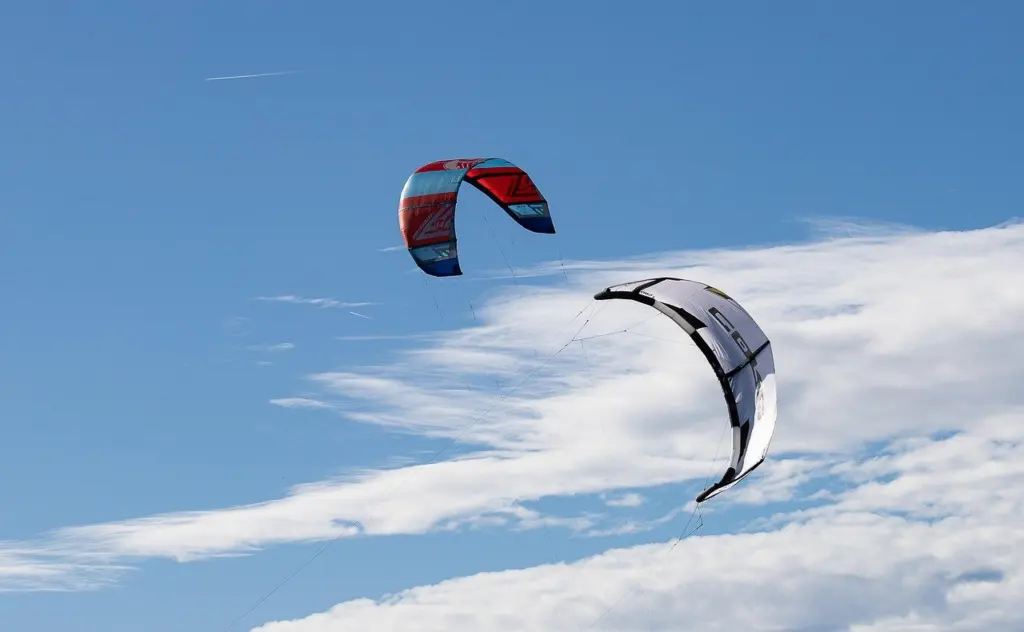
| Rider group | Weight | Wind | Kite size | Planning use |
|---|---|---|---|---|
| Small rider | 60-75 kg (132-165 lbs) | 18-25 knots | 5-7 m² | Your strong-wind kite. Lighter riders sit at the small end of the chart. |
| Average rider | 75-85 kg (165-187 lbs) | 15-18 knots | 9-12 m² | The usual medium-wind choice for this group. |
| Average rider | 75-85 kg (165-187 lbs) | 18-25 knots | 7-9 m² | Drop down when the wind builds into the high band. |
| Heavy rider | 85+ kg (187+ lbs) | 10-15 knots | 14-17 m² | The light-wind option for heavier riders. |
| Heavy rider | 85+ kg (187+ lbs) | 18-25 knots | 9-12 m² | Even in strong wind, heavier riders stay on a mid-size kite. |
These figures come from the Sendy kite size chart, which describes them as approximate.
Read across your weight row first, then find the band that matches the average wind rather than the gusts. If the wind sits between two bands, the neighbouring row shows which way the size should move. For help with the kite itself rather than its size, see how to choose a kitesurfing kite.
Measuring the wind before you choose
The chart only works if the knots figure is realistic. Both Omni Calculator and The Kite Spot ask for your weight and the average wind speed, so the number to bring to the beach is an average, not a peak gust.
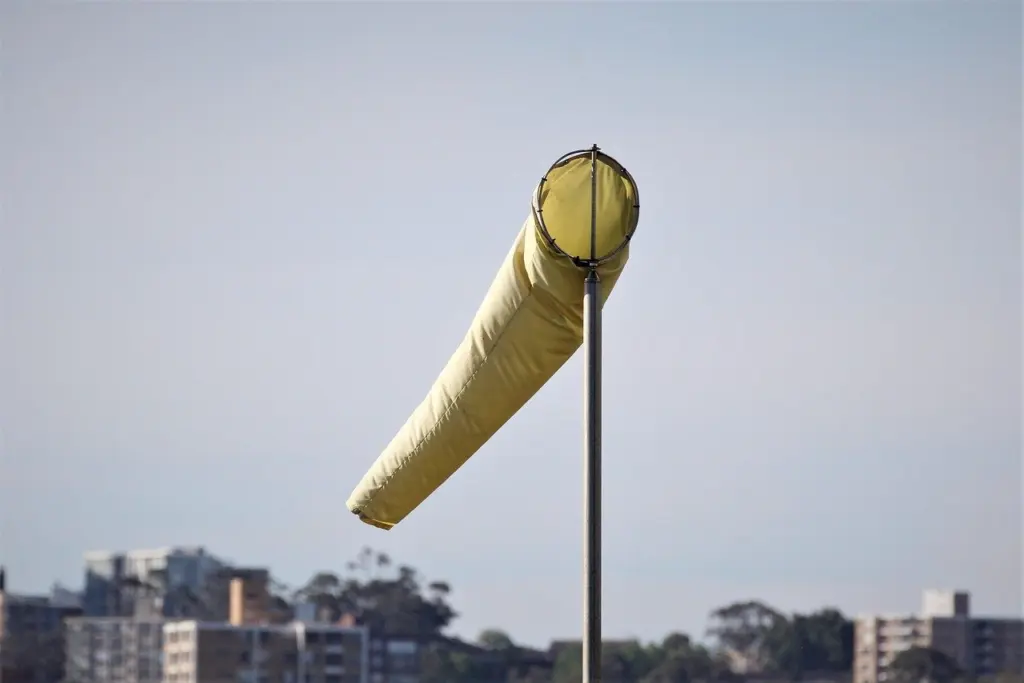
Check the wind just before you rig and again if the session runs long. A reading taken at home or hours earlier can put you a full band away from the wind on the water, and that is the most common reason a chart-correct kite feels wrong.
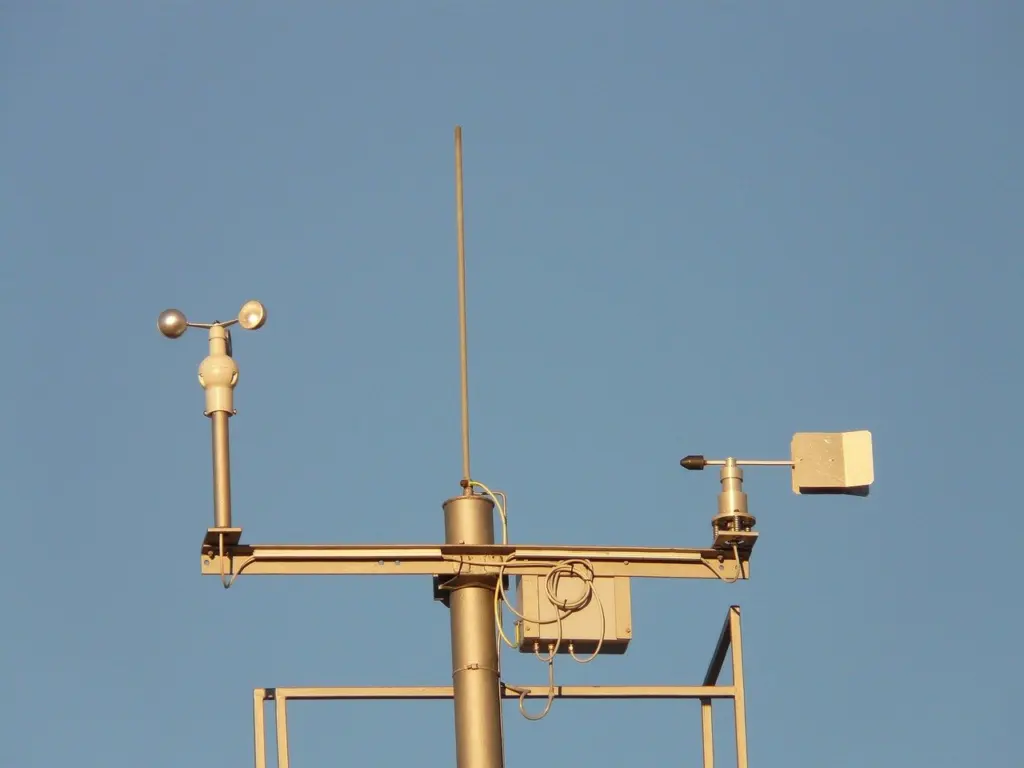
Kite size for 15 knots
At 15 knots, the answer depends on which weight group you fall into, because this speed sits on the edge of two bands. The same speed is the top of the light band and the bottom of the medium band.
- Average riders (75-85 kg): the medium-wind band of 15-18 knots lists 9-12 m². Start in that range, and move toward the larger end if the wind is nearer the bottom of the band.
- Heavy riders (85+ kg): the light-wind band of 10-15 knots lists 14-17 m². At 15 knots you are at its upper edge, so the lower end of that range is the sensible first pick.
- Beginners on a bow kite: Omni Calculator gives 9 m² for a rider of 151-175 lbs, a size that also lines up with the average-rider medium-wind range above.
The chart supplies no 15-knot row for small riders (60-75 kg). Their listed size is for 18-25 knots, so below that band a lighter rider should expect to go up a size from the strong-wind kite.
Kite size for 25 knots
At 25 knots you are at the top of the high-wind band, and every group is on its smallest listed kite. Small riders (60-75 kg) are listed at 5-7 m², average riders (75-85 kg) at 7-9 m², and heavy riders (85+ kg) at 9-12 m².
Choose from the lower half of your range in strong, gusty wind, since a smaller kite gives less power and is easier to control, as Omni Calculator notes for first-timers. Riders who are still learning should not treat 25 knots as a target. The top of a band is a ceiling for that kite, not a recommended condition to practise in.
Typical wind ranges by kite size
Each size covers a range of wind, and the ranges overlap, which is why a single wind speed can suit more than one kite. The Sendy chart gives these typical windows.

- 5-8 m²: typically 18-35 knots or more, the strong-wind end of a quiver.
- 9-12 m²: typically 12-25 knots, the broadest all-round window.
- 13-17 m²: light to moderate winds, 8-20 knots.
- 18 m² and larger: very light wind, often below 10 knots.
These windows are for a typical rider, so your weight row decides where inside them you land. A heavier rider generally sits toward the larger end of a size’s window, and a lighter one toward the smaller end. For how the kite shapes themselves differ, see kitesurfing kite types.
Does board type change the kite size?
Board choice does not shift the chart. Kite size is set by weight and wind speed, and the board is a separate decision that moves with the wind. Omni Calculator estimates both from the same inputs and notes that the harder the wind is, the smaller the board can be.
The kitesurf school Kitesurf Hyères makes the same point from the water: bring a bigger board in light winds and a shorter one in strong winds. For beginners it recommends a wide, long board to smooth out mistakes. In practice, size the kite from the chart first, then pick the board that suits the wind you are about to ride in.
How accurate are size charts and calculators?
A kite size calculator gives an estimate, not a verdict. Omni Calculator describes its output as an estimate of kite and board size, and the Sendy chart says its recommendations are approximate and vary with skill level, riding style and local wind patterns.
The inputs are limited to weight and average wind, so everything else is left for you to judge: gustiness, water conditions and how confident you feel. Kitesurf Hyères is direct about this, saying its chart can never replace the intuition of a seasoned instructor. If you are new to the sport, ask your instructor to confirm the size before you rig.
Reading the chart and knowing when to change kites
Reading the chart is a three-part check: find your weight row, match the average wind band, then note the neighbouring bands. The practical rule from the Sendy chart is short: for lighter winds, go up a size.
Many experienced kiteboarders keep several kites in their quiver to cover a wide range of wind. The chart shows why: no single size spans the whole range from very light wind to a strong blow. A rider’s weight row usually crosses only a few bands, so a quiver is built around the winds you actually ride in, not every band on the page.
Troubleshooting a size that feels wrong
- Underpowered: the wind is probably lighter than your reading, so move to the next size up, as the chart advises for lighter winds.
- Overpowered: a smaller kite gets less wind and power, so step down toward the next band’s size.
- Between two sizes: use the average wind, not the gusts, and let your skill and the conditions decide, since the chart is approximate.
- Unsure of the reading: recheck the wind before rigging, because the chart is only as good as the knots figure you feed it.
Frequently asked questions
| Question | Answer |
|---|---|
| Which unit is kite size measured in? | Square metres (m²), which is why charts list sizes such as 9-12 m². |
| What does a kite size calculator need from me? | Your weight and the average wind speed. The Kite Spot and Omni Calculator both work from those two inputs. |
| Is a smaller kite better for a beginner? | Smaller kites receive less wind and power, which makes them easier to control for first-timers, according to Omni Calculator. |
| Should I go bigger or smaller if the wind drops? | Bigger. The Sendy guidance is to go up a size for lighter winds. |
| Can a chart replace an instructor? | No. Kitesurf Hyères says a chart can never replace the judgement of a seasoned instructor. |