
Category: Ocean Adventures
-
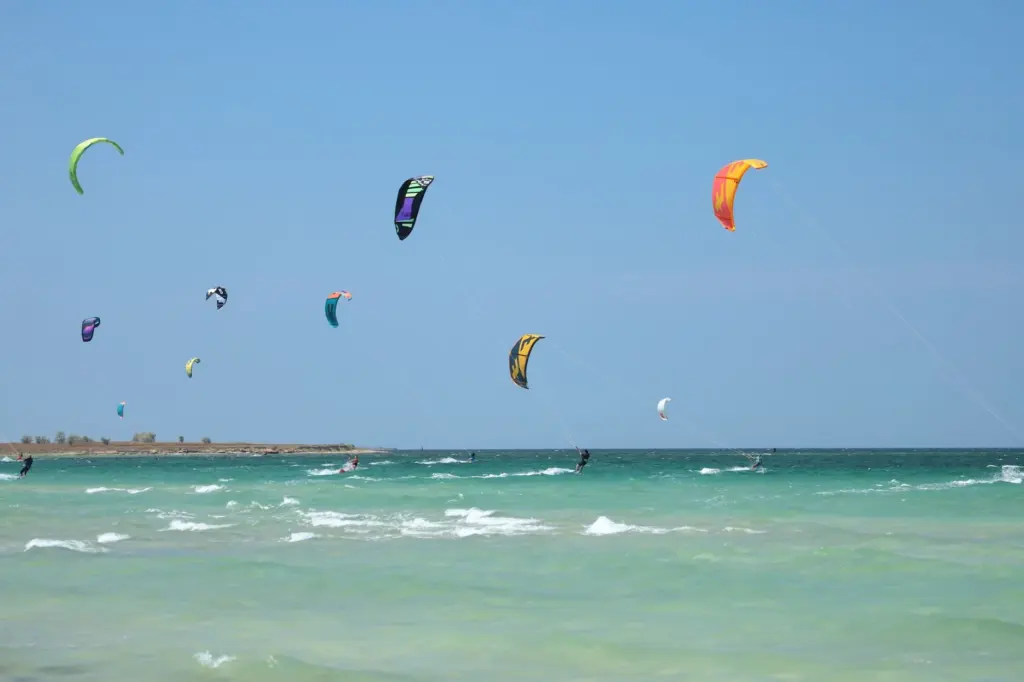
Kitesurfing Waves Spots by Region
Read More →: Kitesurfing Waves Spots by RegionReader situation Spot Conditions Planning use Warm-water trip with steady wind Cabarete Steady trade winds; waves can get big Beginners should be careful; check wave size before launching Strong wind systems and a big scene Tarifa Levante and Poniente wind systems Plan around wind direction rather than a single season Moroccan summer beach break Sidi…
-
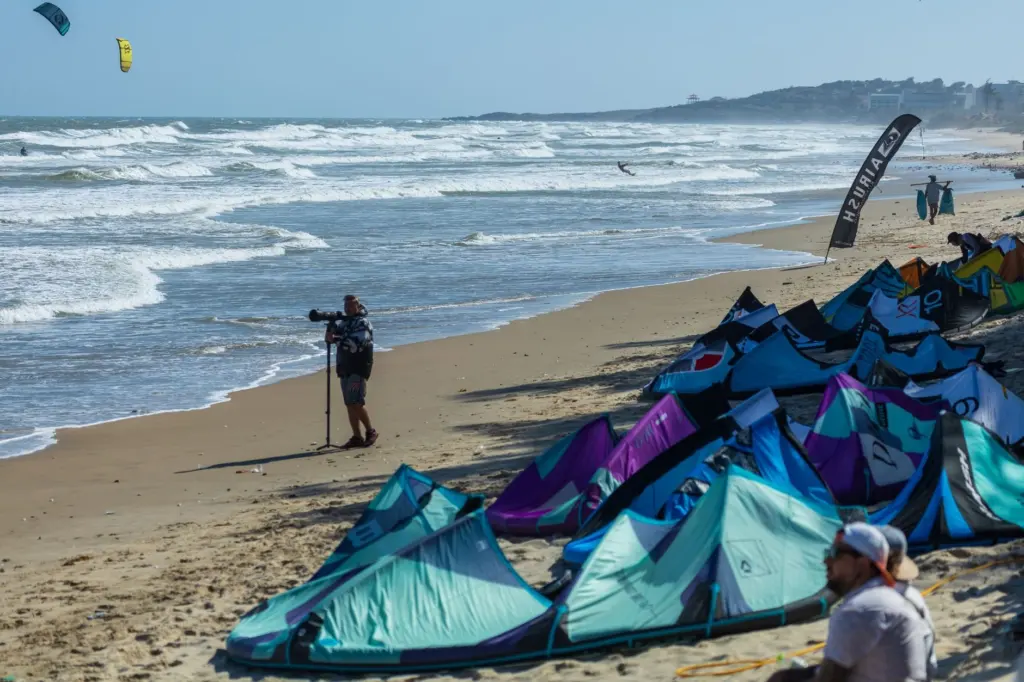
How to Launch and Land a Kite in Surf
Read More →: How to Launch and Land a Kite in SurfLaunching a kite on a surf beach is safer with the kite on the land side of the pilot, a helper handling the launch, and the pilot walking toward the water, away from land hazards. Time the walk-in between wave sets. This guide covers the beach-to-water transition only. For the wider skill set, see how…
-
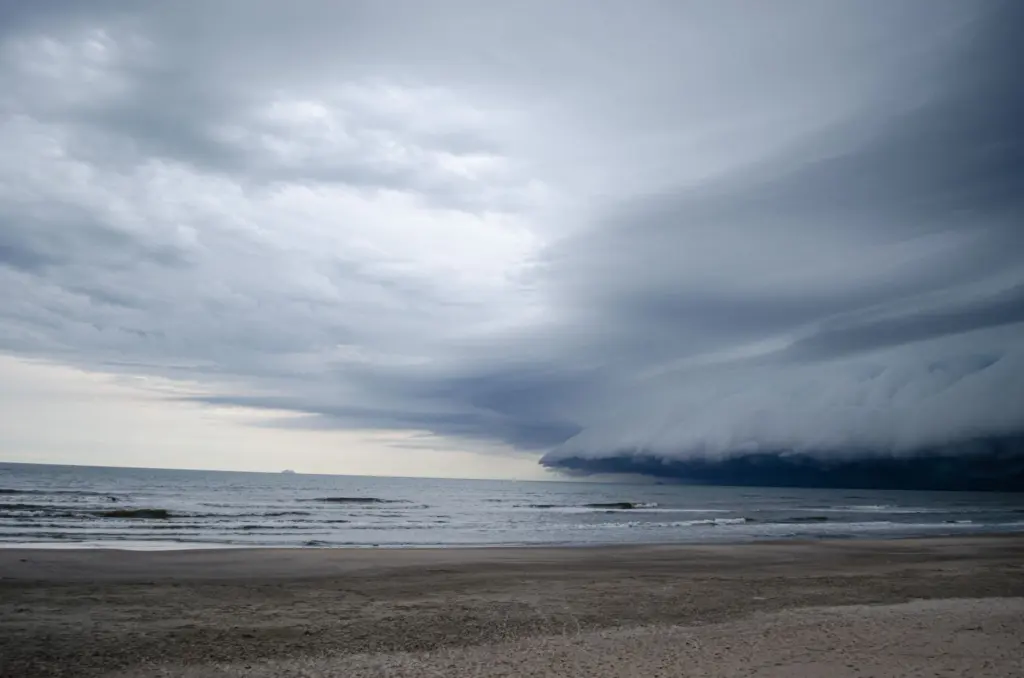
Kitesurfing Squalls and Storms: When to Stay Ashore
Read More →: Kitesurfing Squalls and Storms: When to Stay AshoreQuick answer: kitesurfing squall safety starts on the beach: launch only in stable wind with a forecast of cloud cover and no showers, and stay ashore when dark cloud, rain or thunder is approaching. Squalls and storms matter most when you ride ocean waves, where there is little room to recover from a surprise. The…
-
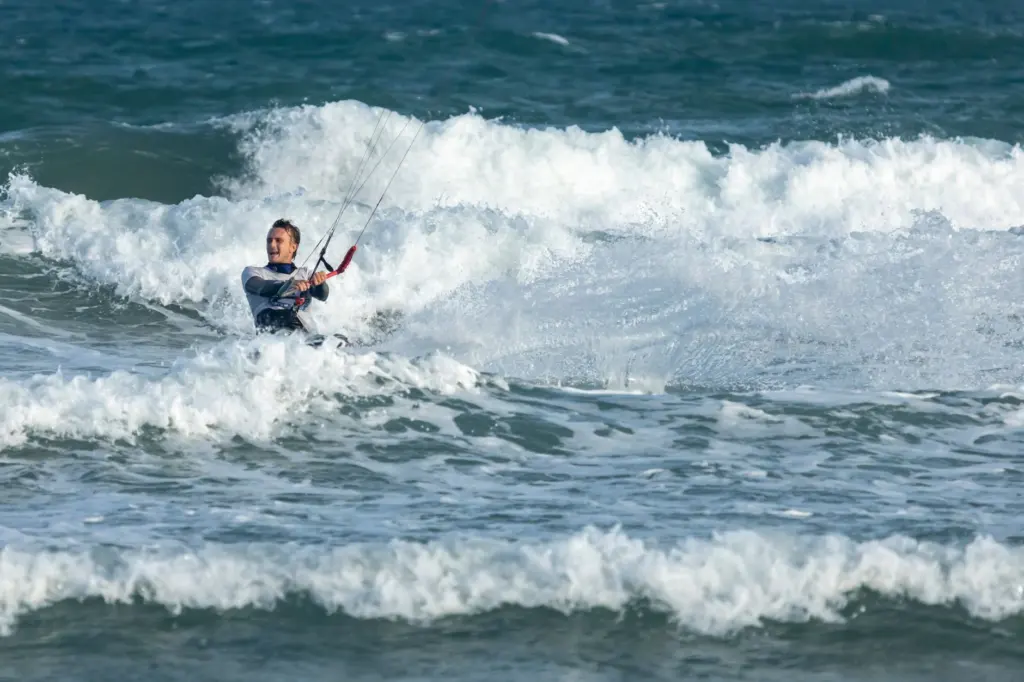
Wave Riding Technique: Bottom Turns and Cutbacks
Read More →: Wave Riding Technique: Bottom Turns and CutbacksA rider drops in, the wave steepens, and the kite starts pulling the wrong way. A clean kitesurfing bottom turn fixes that, because it sets up everything that follows on the wave. Quick answer: Check kite trim before riding, pick a wave that is not closing out, carve the bottom turn at the base of…
-
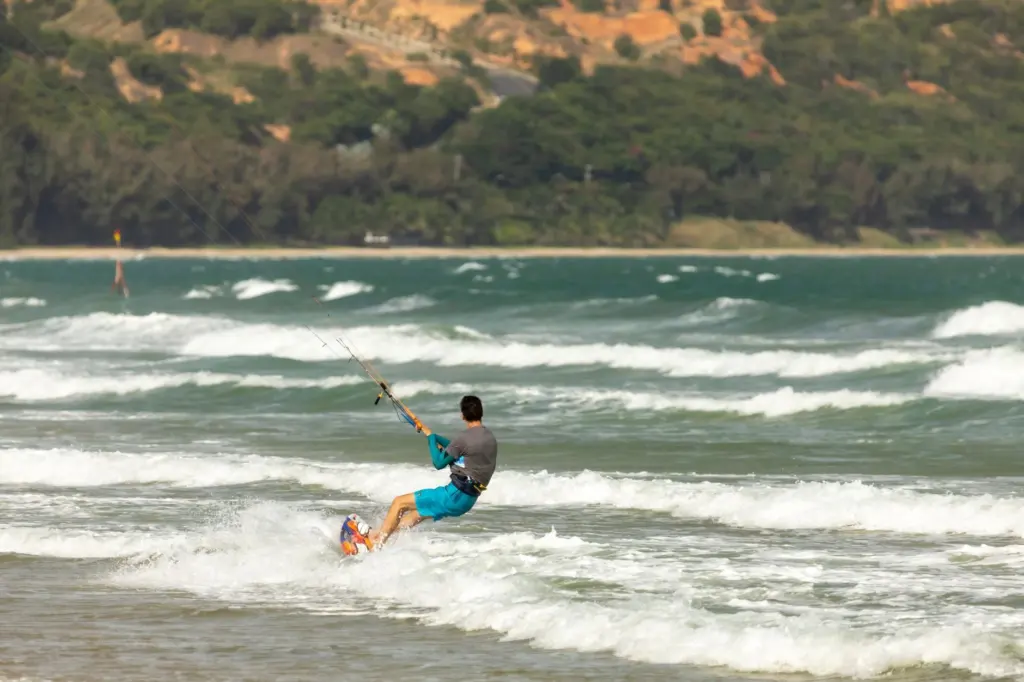
How to Ride Strapless in Waves
Read More →: How to Ride Strapless in WavesThe best strapless kitesurfing tips start with board control: learn to handle a wide directional board, place your feet deliberately, and practise direction changes on flat water before taking the board into waves. This progression builds the board skills that wave sessions assume, so read it alongside the wider guide on how to kitesurf in…
-
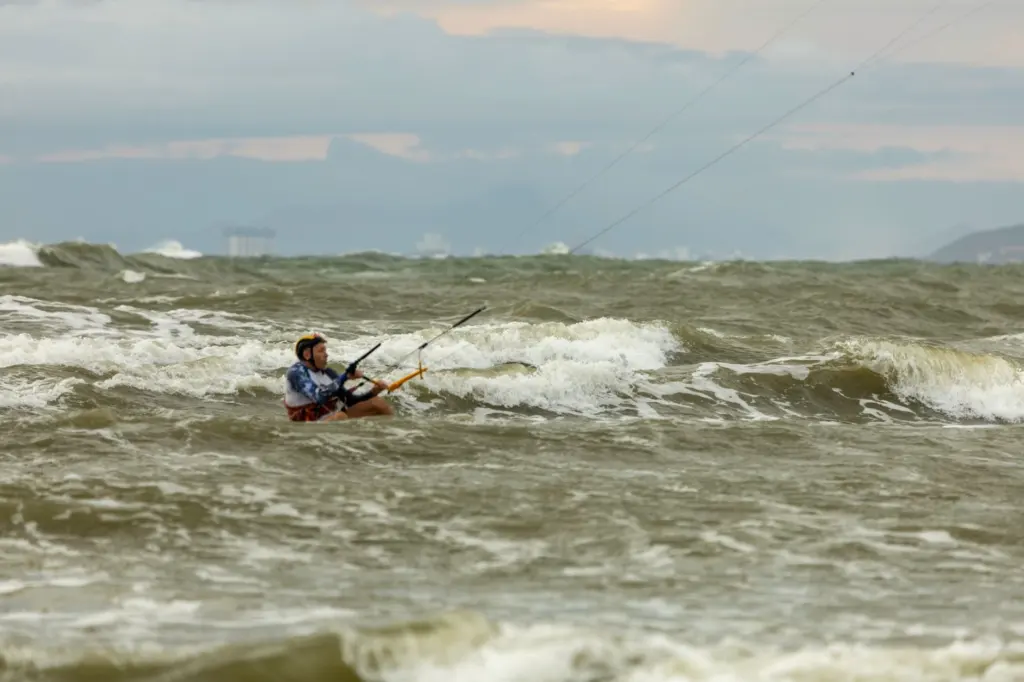
Kitesurfing Big Wave Riding Limits
Read More →: Kitesurfing Big Wave Riding LimitsThe forecast looks huge and the beach looks tempting. For kitesurfing big waves, the limit is whichever is lowest: rider skill, swell energy or the support available on the water and the shore. Read period before height. A long swell period means more power in each wave than the height number suggests. Stay below your…
-
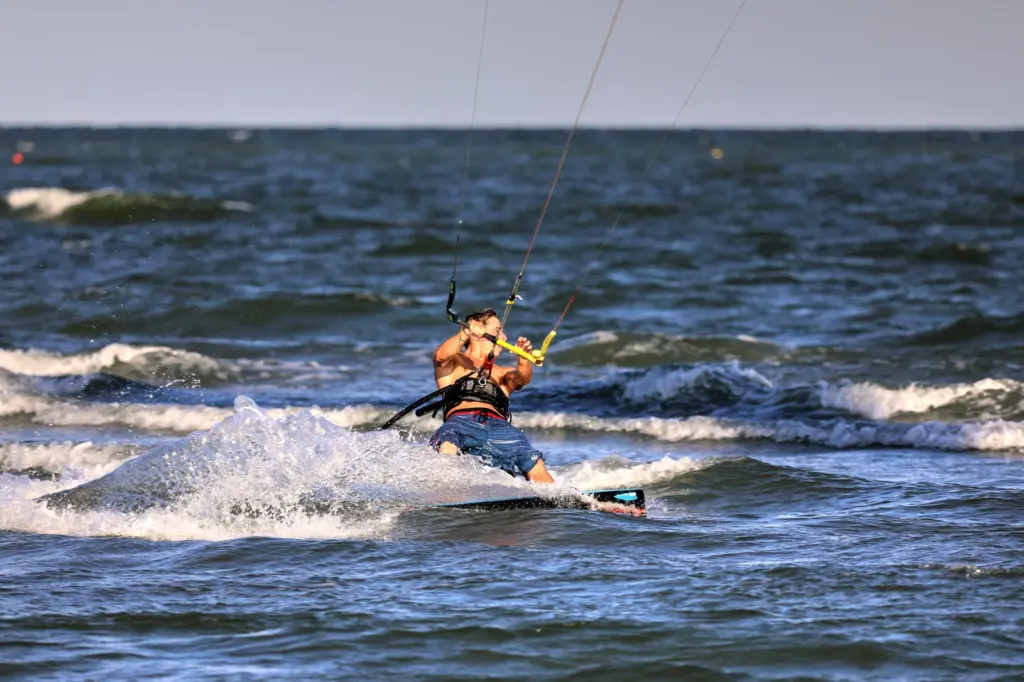
How to Get Past the Breaking Waves Kitesurfing
Read More →: How to Get Past the Breaking Waves KitesurfingHere is how to get out past breaking waves kitesurfing: plan the route before you launch, keep the kite powered through every wave, and cross the whitewater at an angle rather than straight on. If the waves are too big, stay in the whitewater. This outbound route is one part of how to kitesurf in…
-
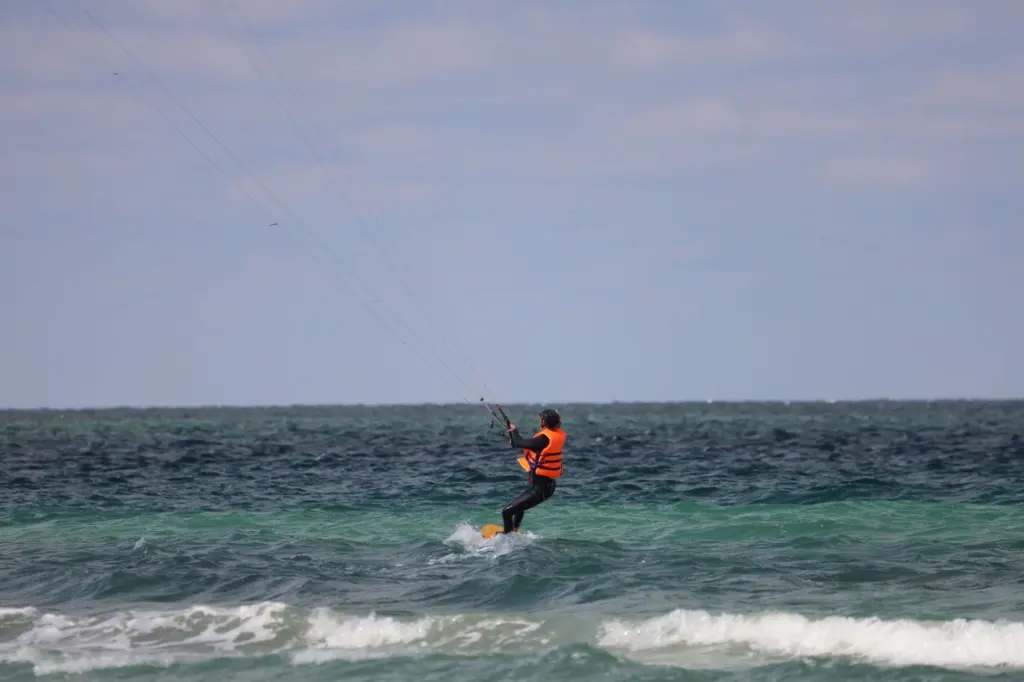
Kitesurfing Marine Hazards: Reefs, Rocks and Marine Life
Read More →: Kitesurfing Marine Hazards: Reefs, Rocks and Marine LifeKitesurfing over reef safety means treating the seabed and marine life as one checklist: know what is under the water, protect your feet, launch only from a clear area and carry a sting response. Picture a wave breaking over a shallow reef, a rocky shoreline behind the launch spot and a jellyfish drifting in the…
-
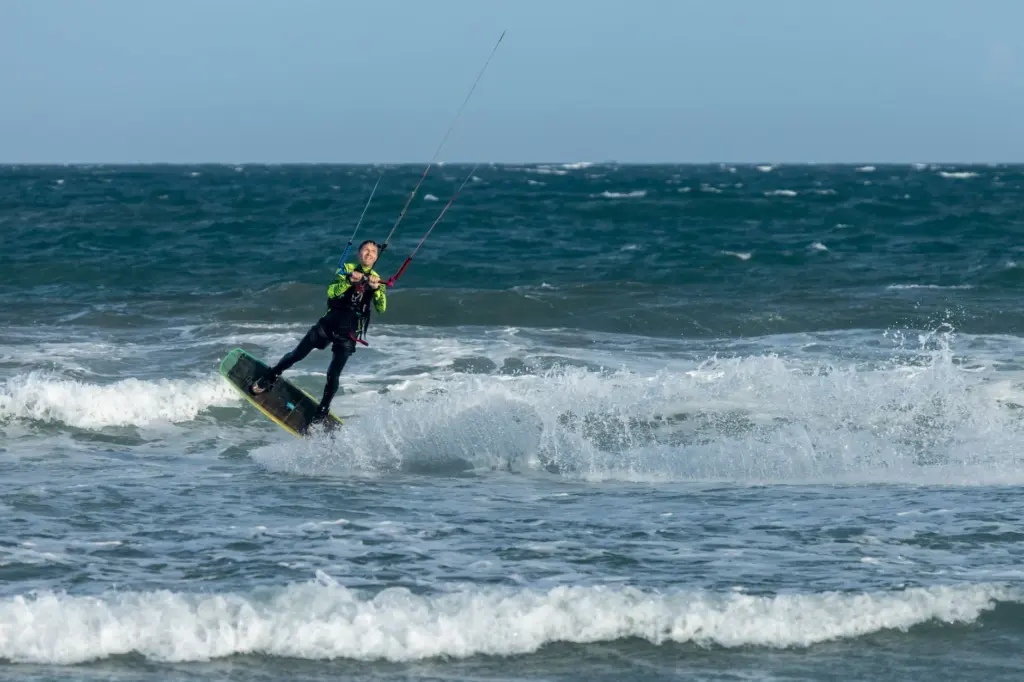
Wave Riding Skills Before You Kitesurf Offshore
Read More →: Wave Riding Skills Before You Kitesurf OffshoreShort answer: the skills needed to kitesurf in waves are solid kite control with depower, body dragging, consistent upwind riding and confident toeside edging, all proven on flat water first. This checklist covers the flat-water prerequisites only. For the wave technique itself, see our guide on how to kitesurf in waves. Who should wait and…
-
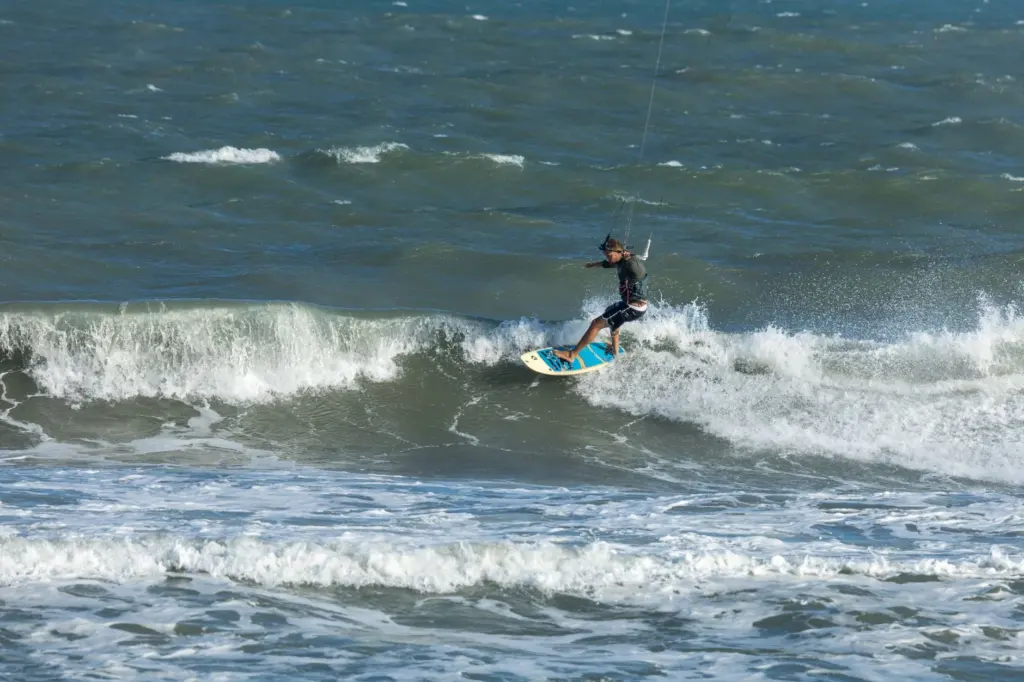
Kitesurfing in Ocean Waves
Read More →: Kitesurfing in Ocean WavesPicture a beach with waves rolling in and a steady breeze: how to kitesurf in waves begins with reading wind direction, tide and hazards, then using the wave face as a ramp while the kite supplies the speed. Quick answer: yes, you can kitesurf in waves, and the order matters. Check the spot first, choose…