
Tag: kitesurfing safety
-
Kitesurfing Safety Systems and Quick Release
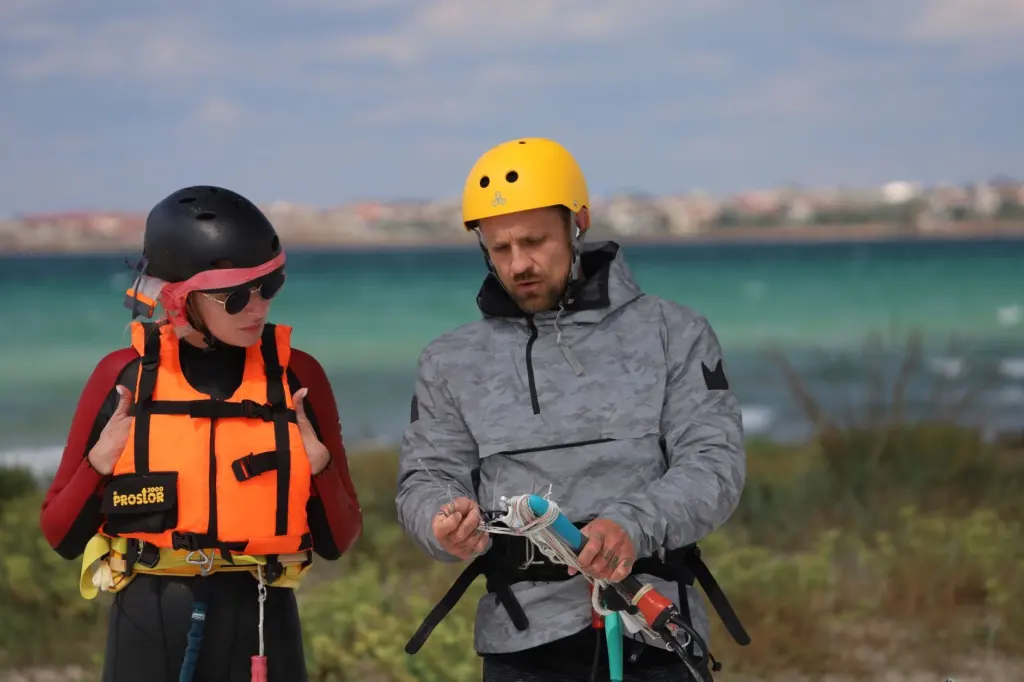
Read More →: Kitesurfing Safety Systems and Quick ReleaseElement What the evidence supports Planning use Quick release The rider pulls it, and the leash then keeps the kite attached. It is also the step that starts self-rescue when a kite inverts in surf. Know where it is by feel and rehearse the pull on land, not only when something goes wrong. Safety leash…
-
Open Ocean Kitesurfing Crossings
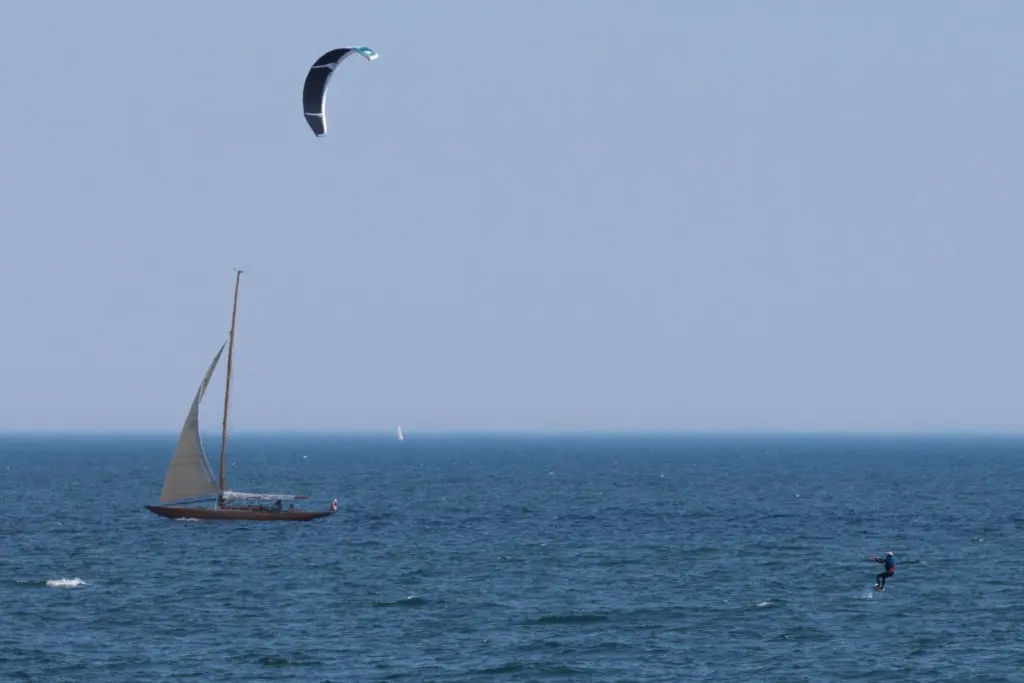
Read More →: Open Ocean Kitesurfing CrossingsReader situation What riders advise Planning use Building skills for open water Body drag and transition confidently; practise self-rescue in shallow water first, then where you cannot quite stand Treat these as entry requirements before any long leg Setting the length of a leg Go no further than you can swim; do not go so…
-
Kitesurfing Big Wave Riding Limits
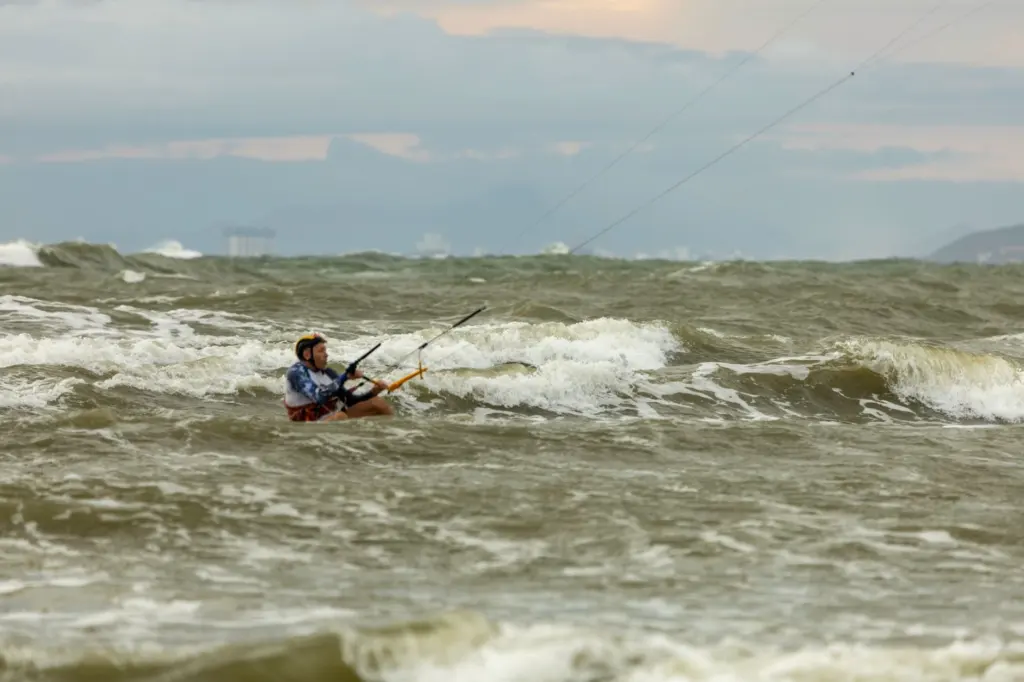
Read More →: Kitesurfing Big Wave Riding LimitsThe forecast looks huge and the beach looks tempting. For kitesurfing big waves, the limit is whichever is lowest: rider skill, swell energy or the support available on the water and the shore. Read period before height. A long swell period means more power in each wave than the height number suggests. Stay below your…
-
Riders Explained
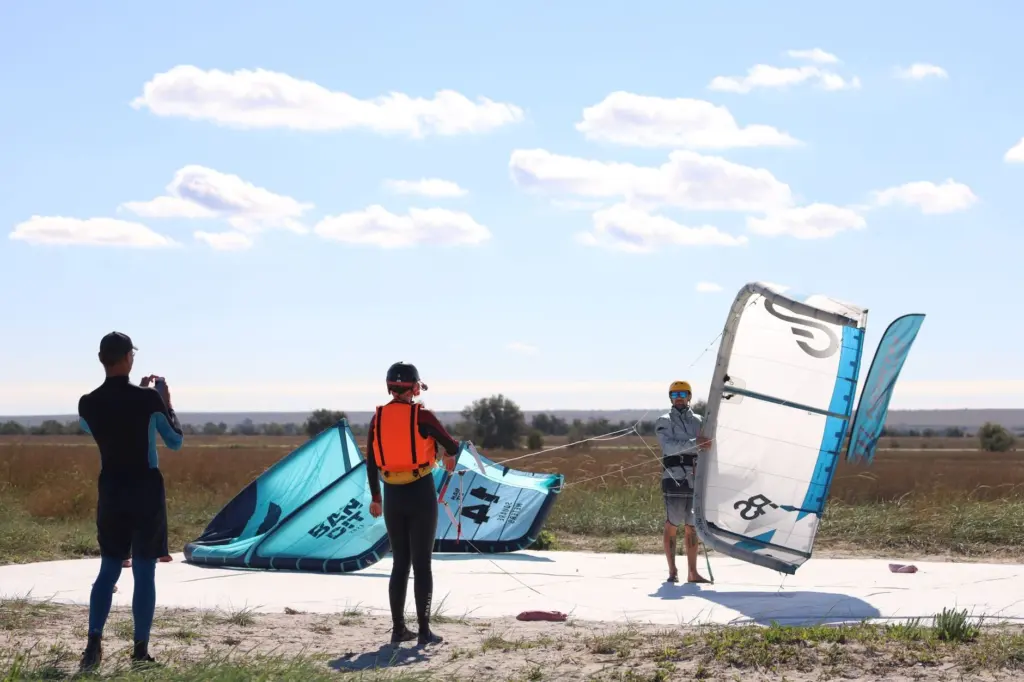
Read More →: Riders ExplainedRiders are the people on the boards in a kitesurfing team expedition. They fly the kites, ride each leg and carry their own safety kit, while the boat crew and the planners handle the vessel and the route. The role sits at the centre of any kitesurfing team expedition, and it works best when each…
-
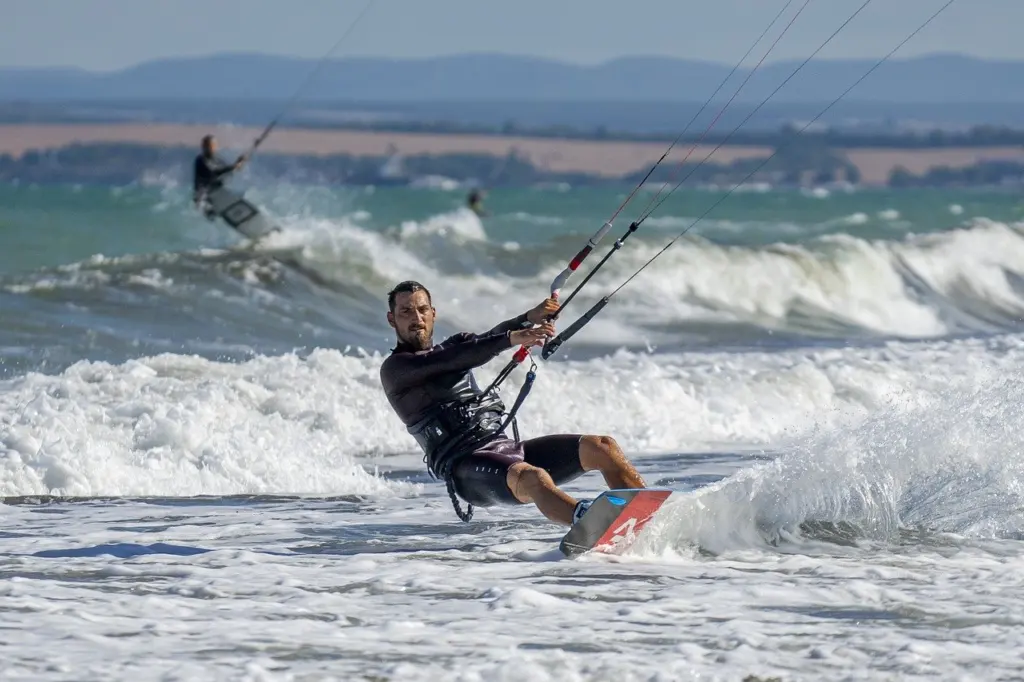
Kitesurfing Helmet and Impact Vest
Read More →: Kitesurfing Helmet and Impact VestA kitesurfing helmet is a water-specific helmet with an adjustable chin strap and draining ear protection, worn against impact injuries. Pair it with a vest approved for flotation, not just padded, whenever help is far away. Picture a launch beside a rocky shoreline, or a remote session where a rescue boat would take a long…
-
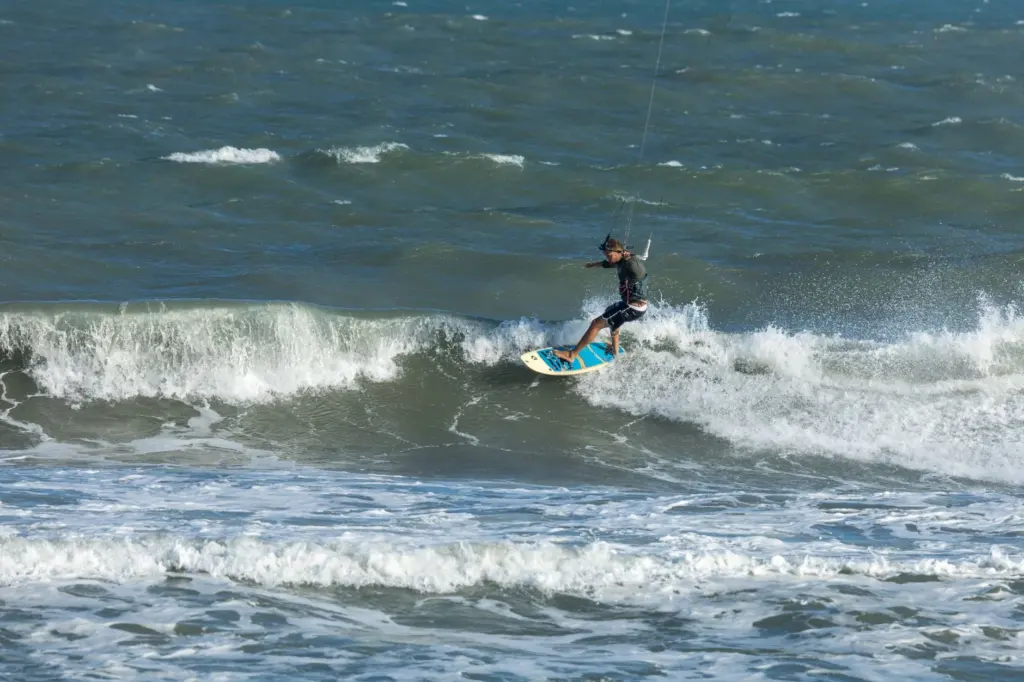
Kitesurfing in Ocean Waves
Read More →: Kitesurfing in Ocean WavesPicture a beach with waves rolling in and a steady breeze: how to kitesurf in waves begins with reading wind direction, tide and hazards, then using the wave face as a ramp while the kite supplies the speed. Quick answer: yes, you can kitesurf in waves, and the order matters. Check the spot first, choose…
-
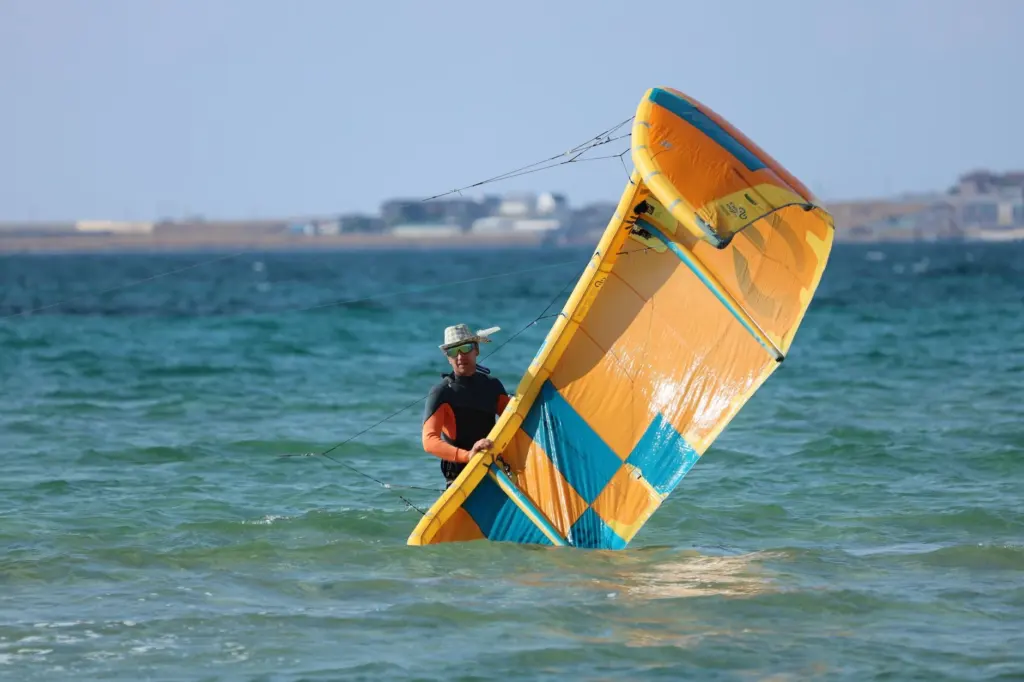
Kitesurfing Self-Rescue at Sea
Read More →: Kitesurfing Self-Rescue at SeaSymptom First action Planning use Kite is down and will not relaunch Release the bar and the chicken loop, which leaves the kite on its depower line. Rehearse the release until it is a reflex, before you need it. Kite is secured but the bar has drifted away Retrieve the bar hand over hand along…
-
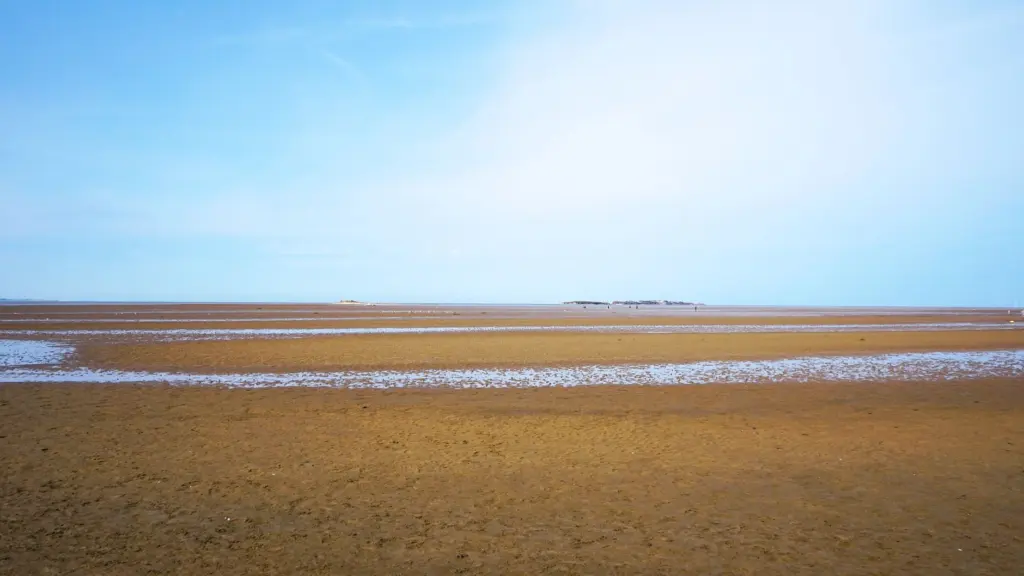
Tides and Currents for Kitesurfers
Read More →: Tides and Currents for KitesurfersTerm What tide agencies say Planning use Spring tide Occurs twice each lunar month, one to two days after new or full moon. High tides run higher and low tides lower than average. Expect the biggest change in beach width between tides. Plan launch and landing for both the low and the high. Neap tide…
-
Kitesurfing Offshore Wind Safety
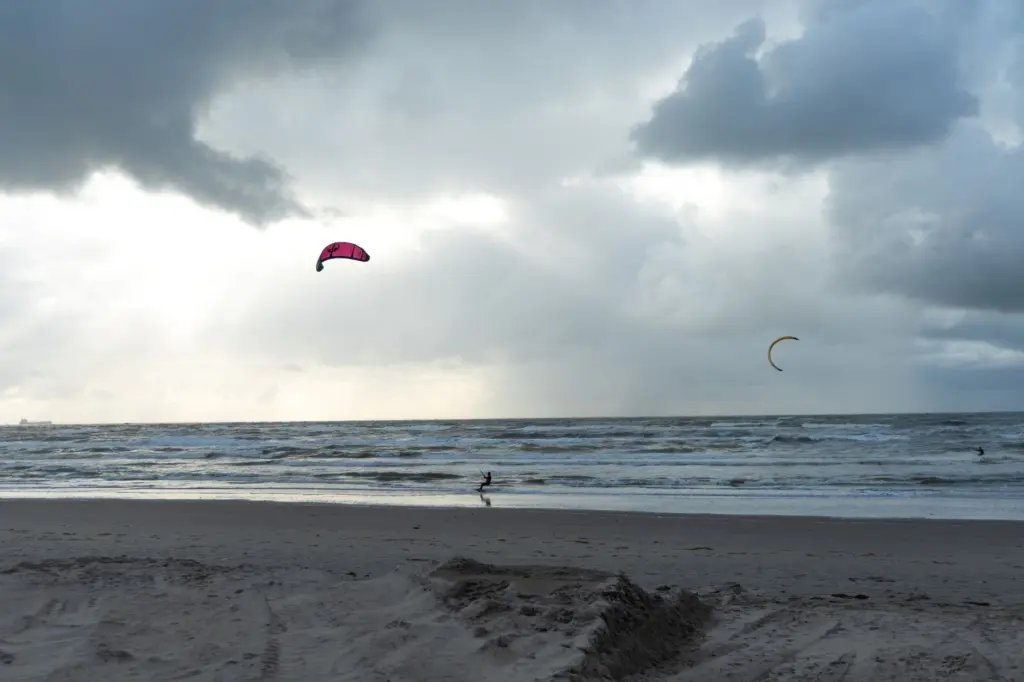
Read More →: Kitesurfing Offshore Wind SafetyPhase What to check or do Planning use Before leaving home Read the forecast for direction (degrees or compass points), average speed and gusts, for your specific spot Rule out offshore days before you pack the car On the beach Work out whether the wind blows from land towards the sea. Do not trust calm-looking…
-

Safety Officer Role on a Kitesurfing Expedition
Read More →: Safety Officer Role on a Kitesurfing ExpeditionThe kitesurfing expedition safety officer role belongs to a named person who makes safety calls on the day: checking gear and riders, watching the water, running drills and keeping communication open. Their authority must be clear before anyone launches. On a kitesurfing team expedition, this person is the working link between the written plan and…