The kitesurfing expedition safety officer role belongs to a named person who makes safety calls on the day: checking gear and riders, watching the water, running drills and keeping communication open. Their authority must be clear before anyone launches.
On a kitesurfing team expedition, this person is the working link between the written plan and what actually happens on the water. This guide covers the job, the daily routine, who suits it and what training makes sense.
What the role is and where its authority sits
A safety officer is the person with the standing to stop, delay or change an activity on safety grounds, and who is not also busy with something else. The role exists because plans cannot make live decisions. Someone has to look at the conditions, the riders and the equipment and say yes or no.
Cruise operators describe this job in detail, and the duties translate to a kitesurfing boat at a smaller scale. A river cruise fleet advertisement lists regular safety checks and onboard audits, leading safety drills and ensuring procedural adherence across the crew. The same advertisement describes the officer as the communication link between the onboard team and the corporate team.
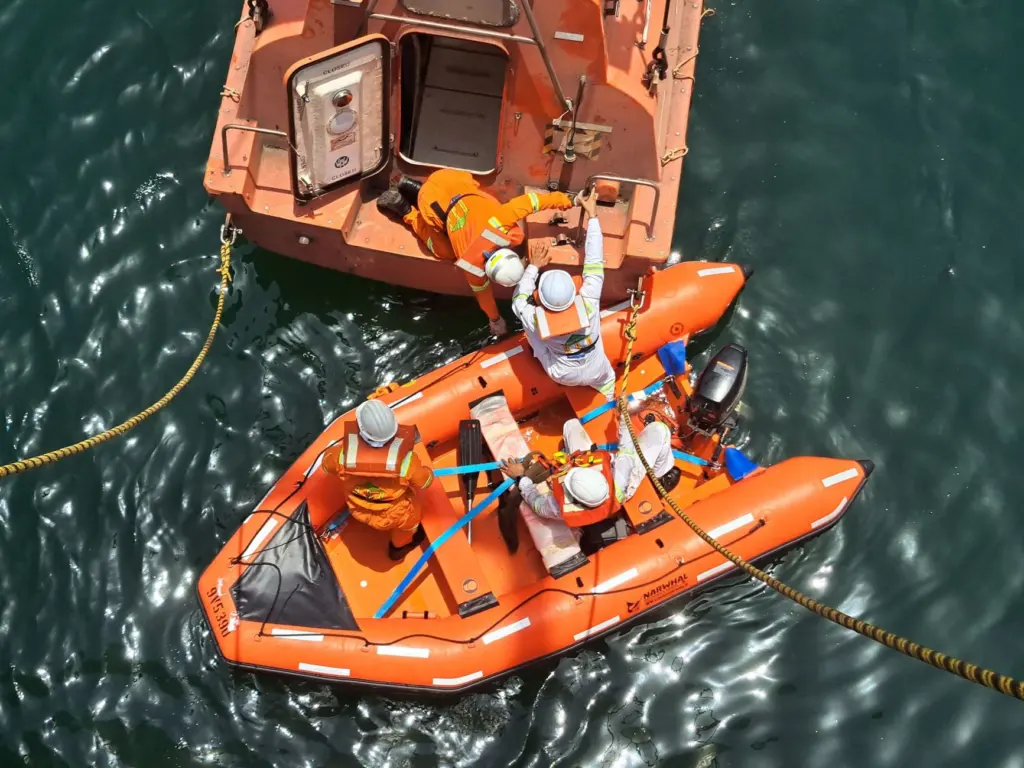
For an expedition, the practical conclusions are these:
- Name one person. Shared responsibility tends to mean nobody checks. The group should know who holds the role before departure.
- Give the decision real weight. If the organiser or a keen rider can overrule a safety call, the role is decoration. Agree in advance that the officer’s call stands for the day.
- Keep the role separate from the paper. The written kitesurfing expedition safety plan sets out procedures. The officer applies them, adapts to what is happening and makes the judgement calls the plan cannot.
Cruise-sector duties adapted to a kitesurfing expedition
The table shows how published cruise-sector duties map onto a kitesurfing expedition. The right-hand column is a judgement about use, not a standard.
| Duty in cruise-sector role descriptions | Kitesurfing expedition equivalent | Planning use |
|---|---|---|
| Regular safety checks and onboard audits | Daily walk-round of the boat, launch area and rider kit | Build it into the morning routine so it never depends on memory. |
| Lead safety drills and ensure procedural adherence across the crew | Run recovery and emergency drills with boat crew and riders | Treat drills as the officer’s job, not an optional extra. |
| Monitor and maintain certification for safety equipment such as life vests and fire extinguishers | Track that lifejackets, extinguishers and other safety gear are in place and in date | Keep a checklist the officer signs off. |
| Oversee docking operations and enforce safety measures along the quay | Supervise boarding, landing and transfers between boat and shore | Treat transfers as a risk point and assign them to the officer. |
| Act as the communication link between onboard and corporate teams | Be the contact between the boat, the riders and the organiser ashore | Agree who the officer reports to and how. |
| Investigate incidents and document findings for review | Record near misses and incidents and feed them into the next day | Use the records to improve the routine. |
The cruise-sector figures come from a river cruise safety officer vacancy and a cruise safety officer’s own account of a working day.
Pre-departure checks
The first stage of the day happens before the boat leaves or the first rider launches. The officer’s job is to confirm that people and equipment are ready, not to hope they are.
The cruise safety officer’s account stresses that life saving appliances must be properly maintained, updated and in place. In practice this means looking at each rider’s lifejacket for fit and condition before departure, rather than assuming riders have done it themselves. It also means checking that rescue and safety gear is aboard and accessible.
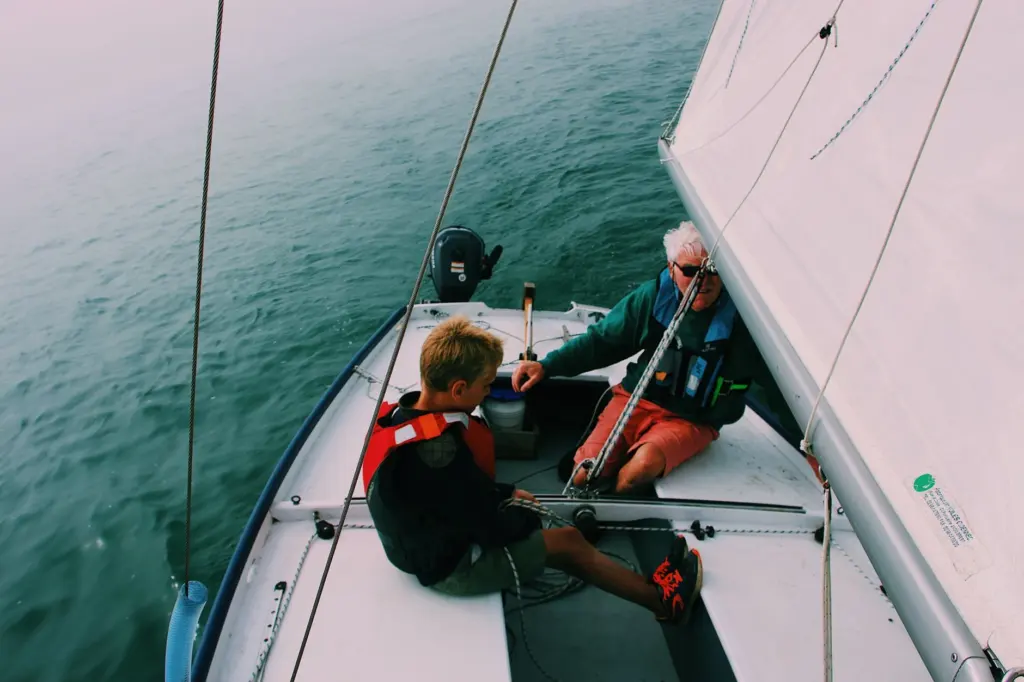
A useful routine is to make the check visible and quick, so riders accept it as normal. If an item fails, the officer’s authority matters most here: the rider does not launch until the problem is fixed or a replacement is found.
On the water: watch and support boat
While riders are out, the officer’s main task is to watch. This is why the role works best when it is not combined with a job that demands full attention elsewhere.
Cruise officers are described as carrying out regular checks and enforcing safety measures as operations unfold, including overseeing docking operations. The kitesurfing version is supervising landings and transfers, and keeping eyes on the group while the rest of the crew handle the boat. A technical problem on board is handled by crew who know the machinery: the cruise officer works closely with the engine department on technical checks and repairs, which is a good model for dividing work between safety and boat operation.
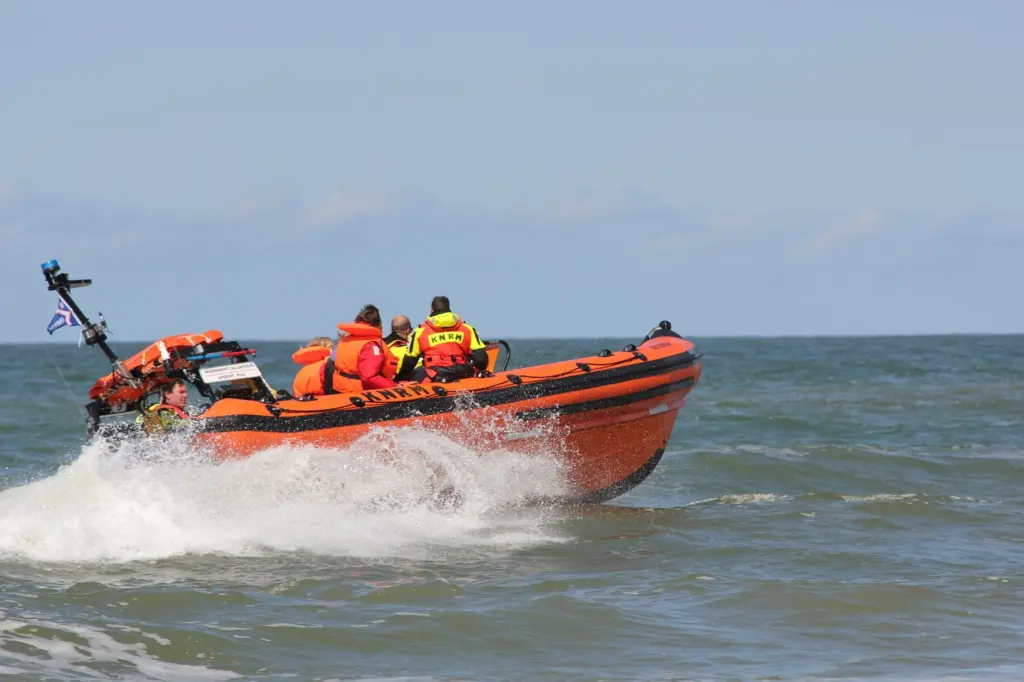
Judgement is the real skill here. The officer decides when a rider needs help, when conditions have changed enough to call riders in, and when the session ends. Those calls are quicker and less contested when the group has already agreed the officer decides.
Communication and headcount
Safety decisions are only as good as the information reaching the officer. The cruise role is defined partly as the communication link between onboard and corporate teams. On an expedition, that means the officer is the person who talks to the skipper, the support crew, the riders and whoever is ashore.
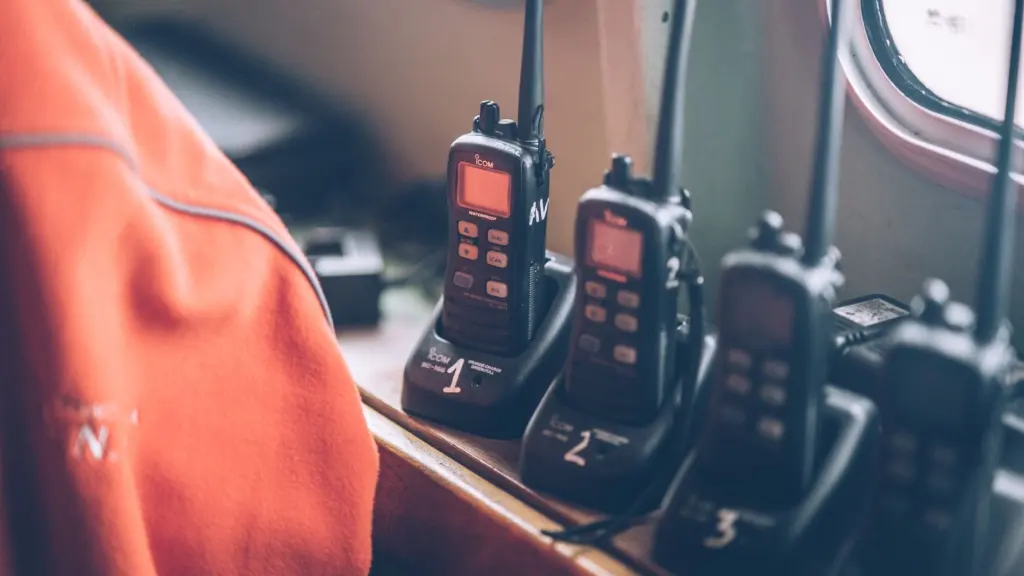
Practical habits follow from that role:
- Know who has a radio. Allocate handsets to the officer, the support boat and anyone working away from the main vessel, and check they work before departure.
- Keep a rider tracking record. A simple out-and-back list, kept by the officer, shows who is on the water at any moment. This is a sensible routine rather than a published standard.
- Report upward. Agree in advance who the officer informs if a session is cancelled or an incident occurs. The cruise model has a defined link to the organisation behind the vessel for this reason.
On a ship of any kind, the kitesurfing mothership expedition format adds more crew and more moving parts, so a defined communication chain matters even more.
Equipment and medical readiness
The officer owns the question: if something goes wrong, is everything needed on board, in place and ready? Cruise safety officers are expected to monitor and maintain certification for safety equipment, with life vests and fire extinguishers named as examples. The kitesurfing version is a standing checklist of gear, with its condition and dates checked, signed off by the officer.

First aid supplies belong on that checklist. Laying contents out and checking them against a list is the simplest way to find what is missing or used up. Whatever else the officer carries, the group should know where the kit is and who is trained to use it.
Drills and incident review
Drills are where the role turns a plan into habit. The cruise officer describes holding mandatory weekly safety drills, safety meetings and tests. Short, regular practice, led by the officer, is the model. For an expedition, set the rhythm at the start of the trip and rehearse recovery of a person in the water in calm conditions, before it is needed in rough ones.
The officer also closes the loop afterwards. The cruise role includes the duty to investigate incidents and document findings for review. After a near miss or an incident, write down what happened and what changes next time, then brief the group before the next session. Records only help if they alter tomorrow’s routine.
Who should take the role and what training they need
The best candidate is someone with real time on boats and the temperament to say no. The cruise vacancy asks for a professional with a proven track record onboard river or seagoing vessels. One cruise safety officer describes a background of typical deck officer education and a Captain’s License, as set out in their day-in-the-life account. Those are professional benchmarks for large vessels, not requirements for a small expedition, but they show the kind of seagoing experience the role draws on.
For a kitesurfing expedition, the sensible profile is:
- Marine experience. Someone comfortable on a boat, around docking and landing, and familiar with how the vessel and its crew operate.
- Medical and sea survival competence. First aid and sea survival training from a recognised provider is the natural addition. Check each provider’s current course content and renewal rules rather than assuming a certificate still counts.
- Authority and calm. The person must be willing to cancel a session others want to run, and respected enough that the group accepts it.
- Availability. The officer should not be the person most needed elsewhere, such as the only skipper, or a rider who wants to be on the water all day.
Selection matters as much as training. A well-qualified person who is also the group’s most enthusiastic rider may struggle to watch rather than ride. Where the group is small, choose the person with the best judgement and calmest manner, then fill gaps with courses.
Frequently asked questions
Can the skipper also be the safety officer?
It is possible on a very small trip, but it splits attention between handling the boat and watching riders. Cruise operators separate the roles, with the safety officer working alongside the engine department rather than replacing it, which suggests keeping them apart wherever the crew allows.
Is the safety officer role the same as the safety plan?
No. The plan is the written set of procedures. The officer is the person who applies them on the day, adjusts to changing conditions and has the authority to stop an activity.
Does the safety officer need to speak particular languages?
A river cruise vacancy asks for fluent English, with German or other European languages a plus. For an expedition, the practical rule is that the officer must be understood by every rider and crew member, especially when giving emergency instructions.
What should the officer do after an incident?
Investigate and write down the findings for review, as cruise safety officers do. Then use them to change the next day’s briefing, checks or drills so the lesson is applied rather than filed away.