| Element | What the evidence supports | Planning use |
|---|---|---|
| Quick release | The rider pulls it, and the leash then keeps the kite attached. It is also the step that starts self-rescue when a kite inverts in surf. | Know where it is by feel and rehearse the pull on land, not only when something goes wrong. |
| Safety leash | A kite retention device. It is not a flotation device. | Treat it as the link that holds the kite after release, and choose its length for the way you ride. |
| Leash length | Mystic short 45 cm, long 100 cm, HP long 130 cm. | Short suits hooked-in freeride and waves; long gives slack for riders who unhook. |
| Sand and debris | Both can jam release systems. | Re-test the release after kit has been handled on the beach. |
| Self-rescue | Practise self-rescue and deep-water pack-down until they are automatic. | Rehearse before conditions demand it. |
Leash lengths and leash behaviour come from a retailer’s North leash guide, while the release-testing and self-rescue points come from a Progression instructor article.
Kitesurfing safety systems explained simply: the quick release lets the rider act, the leash keeps the kite attached afterwards, and the whole chain only helps if it is tested every session and practised until automatic.
The kitesurfing gear for beginners guide shows where this equipment sits among the rest of the kit. This page follows the order of events, from connection to release to recovery.
What the safety system changes for each session
A kitesurfing safety system changes what a rider has to decide before launching, because every piece of it has to be chosen, checked and rehearsed. The practical consequences are small but they add up.
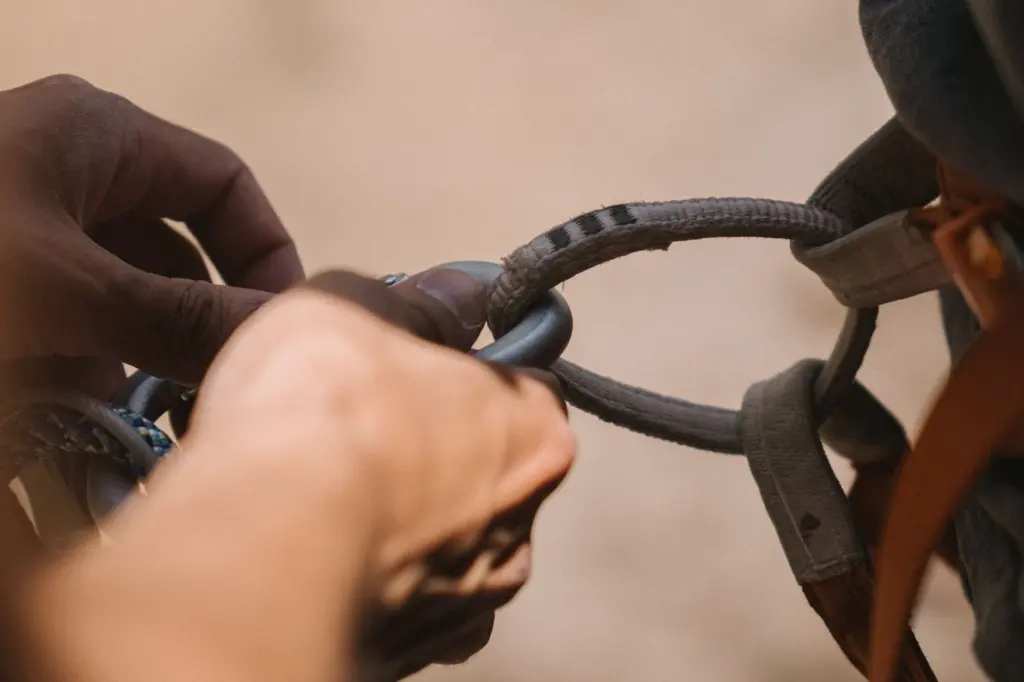
- Riding style sets the leash. The retailer’s guide describes a short leash as staying out of the way for riders who are hooked in and not unhooking, while a long leash gives the slack that unhooking needs. A rider who changes style should revisit this choice rather than keep whatever came with the bar.
- Releasing starts a procedure. The Progression article describes releasing the safety when a kite inverts in the surf and then commencing the self-rescue procedure. The release is therefore the opening move of a sequence, not the end of the problem.
- Beach handling affects reliability. The same article points out how much sand can get stuck in release systems. A release that worked at home is not guaranteed to work after the kit has been dragged, set down and packed on a beach.
Each of these choices makes more sense once the order in which the parts act is clear.
How the quick release and leash work in sequence
The sequence starts on land, when the rider connects the chicken loop from the bar to the harness, as the New Wave setup guide describes. That connection is what the quick release later interrupts.
When the rider pulls the quick release, the leash takes over. The retailer’s guide states the leash’s role plainly: it keeps the kite attached once the quick release has been pulled. Without it, a released kite would be free to go wherever the wind took it.
Three stages follow in order:
- Connected. The chicken loop is on the harness and the kite is flying or waiting to launch.
- Released. The rider pulls the quick release and the leash keeps the kite attached.
- Recovering. The kite is still attached, so the rider moves on to self-rescue and, where needed, deep-water pack-down.
Because the kite stays attached, the release does not remove the need for a recovery plan. Bar and line anatomy sits outside this sequence and is covered in the kitesurfing control bar explained guide.
Using the safety leash correctly
The leash is correctly used when it is the link that remains after the release, so the rider needs to know how it is attached and how it is triggered. In the North guide, the leash carries the same TPU quick-release handle as the bar’s main release. That is useful for training, since the hand learns one kind of pull rather than two.
Length matters more once riders begin to unhook. The HP long leash is listed at 130 cm, and its double-lock carabiner with swivel is rated 1,100 kg. That figure belongs to that specific carabiner. It is a component rating, not a reason to skip inspection, and it says nothing about other leashes.
The leash is also a retention tool only. The guide notes that every leash it covers is a kite or board retention leash, and none is a flotation device. Riders should not expect it to do anything for them in the water beyond holding the kite.
Checks before launch
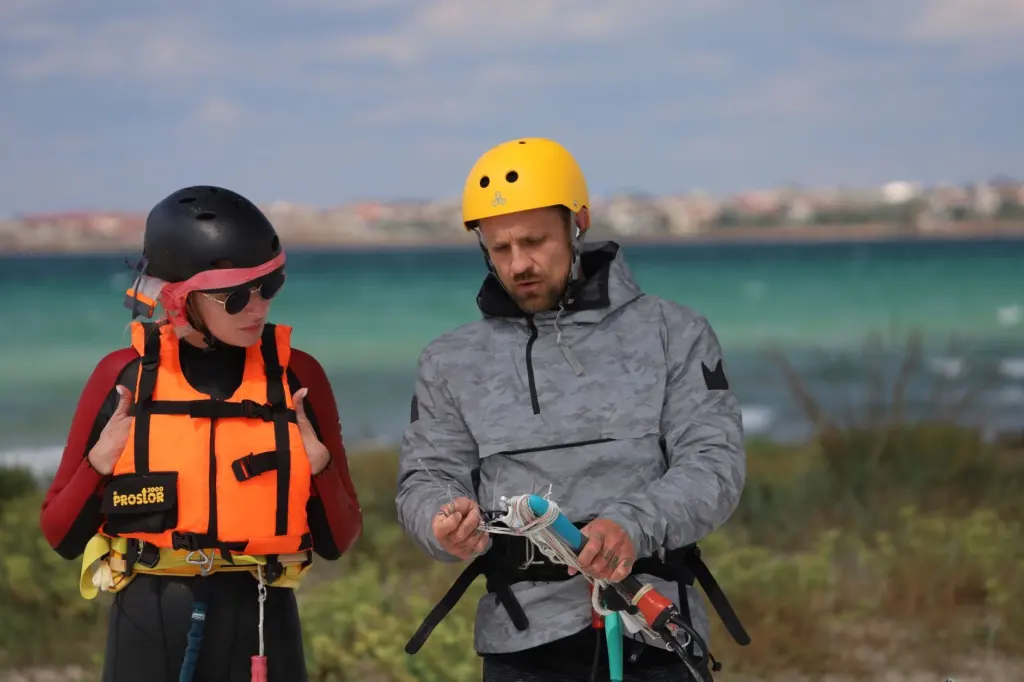
The checks are short and belong on land, before the kite is anywhere near the water. The New Wave guide advises keeping the kite downwind of the rider during setup, connecting the chicken loop to the harness, and making sure the safety release mechanisms are accessible and functional.
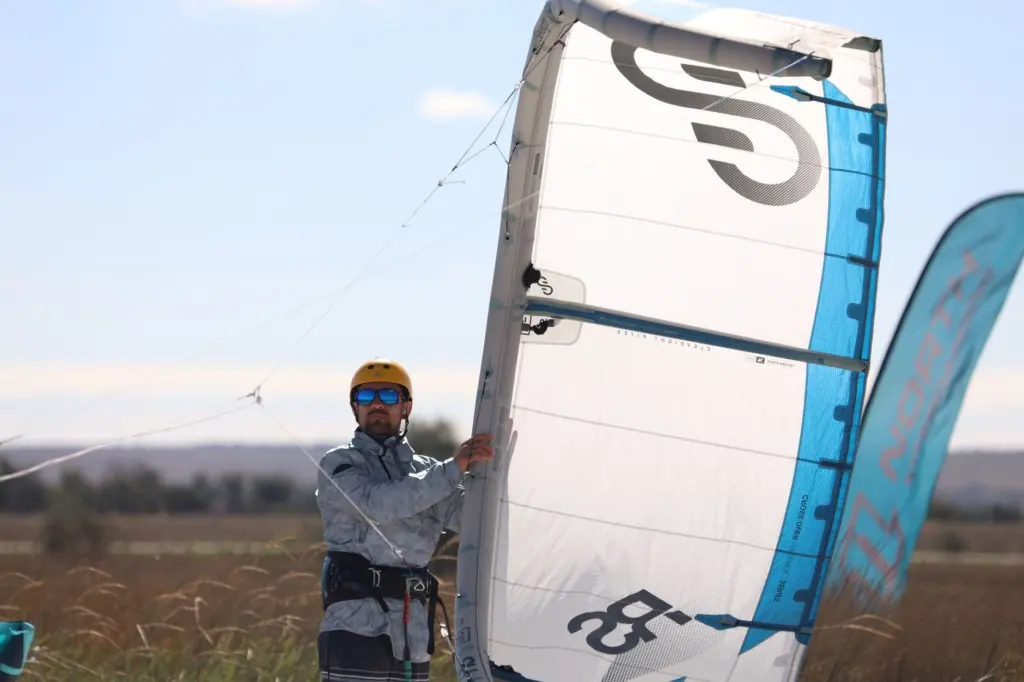
The same guide recommends a gentle tug on the bar to raise the kite slightly. It works as a pre-flight test that the connection is doing its job.
On frequency, the Progression article is direct. Release systems should be tested every time a rider is about to go out. This is a per-session habit, and the evidence supports no longer interval. Because sand can jam a release, the test is most valuable on a sandy beach, after the kit has been handled.
When to release the kite
The clearest trigger in the evidence is a kite that inverts in the surf. The Progression instructor describes releasing the safety in that situation and then beginning the self-rescue procedure. That makes the decision easier, because the rider acts on a recognisable event rather than debating it mid-wave.
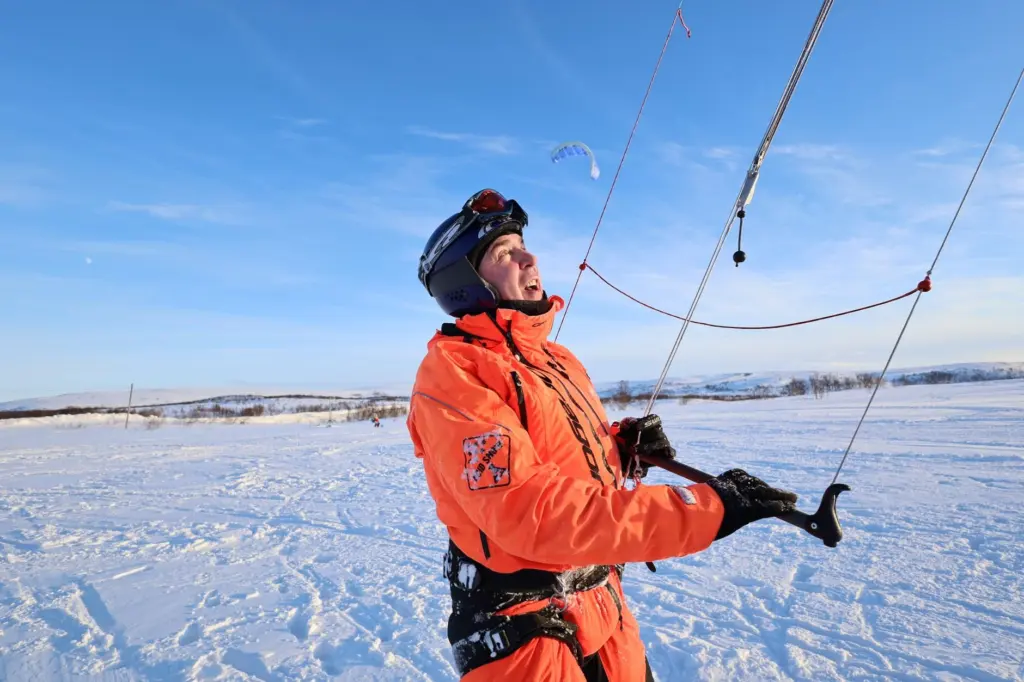
Riders still need to decide in advance what other situations count as release situations. An instructor can help set that rule on the beach. The useful principle is to decide it on land with a clear head, because the water is a poor place to be undecided. A rider who is deciding whether to release already has the answer in most cases.
Waiting is the costly choice. The release exists to be used, and the leash and self-rescue procedure that follow are designed for the moment it is pulled.
Practising until it is automatic
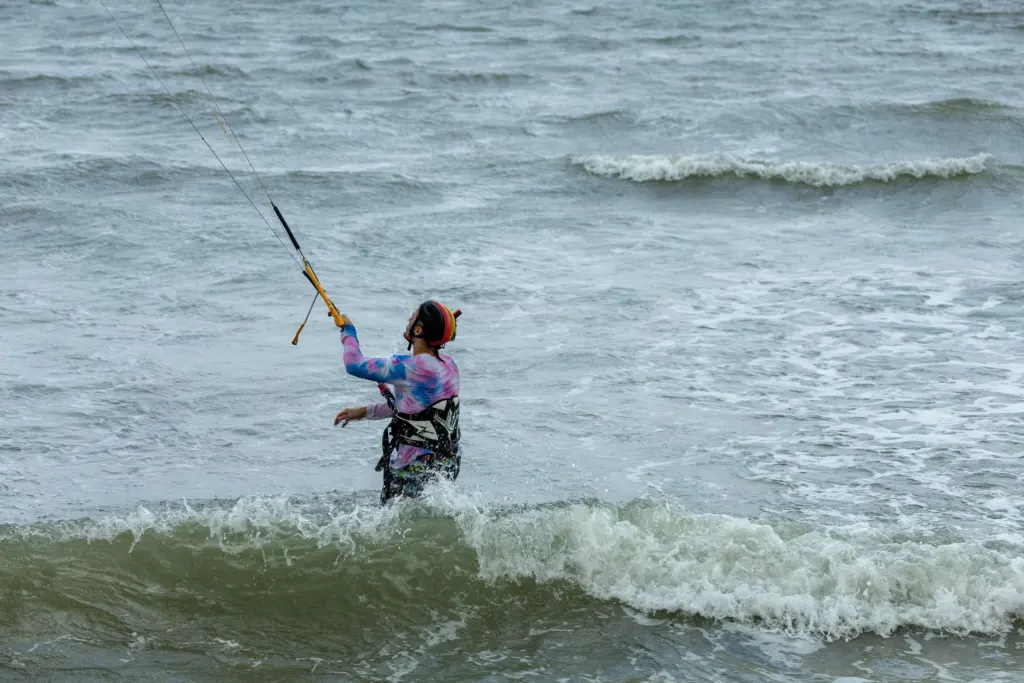
Practice turns the equipment into a habit. The Progression article tells riders to practise the self-rescue and deep-water pack-down procedure over and over until it is automatic, which is a standard worth holding.
The beach is the best classroom, because a rider can pull the release, watch the leash take the kite and repeat the pack-down without wind or waves adding pressure. Practice with an instructor adds feedback on hand position and sequence that solo repetition cannot give.
Clothing affects how easily hands find the release, and the kitesurfing wetsuit guide covers what to wear at different water temperatures. Whatever the layers, rehearse the pull in the same clothing used on the water.
Frequently asked questions
Is a kite safety leash a flotation device?
No. The retailer’s North leash guide describes its leashes as kite or board retention leashes, and none is a flotation device.
Does a bar come with a safety leash?
On North bars, yes. Every Navigator and Navigator Pro bar ships with the standard leash. The Handle Pass Leash is different, since it does not include the Freestyle Leash Ring, which costs $18 separately.
Why does the leash handle feel familiar to the bar release?
On the North leashes it is deliberate. They carry the same TPU quick-release handle as the bar’s main release, so the same pulling action applies to both.