Kitesurfing over reef safety means treating the seabed and marine life as one checklist: know what is under the water, protect your feet, launch only from a clear area and carry a sting response.
Picture a wave breaking over a shallow reef, a rocky shoreline behind the launch spot and a jellyfish drifting in the shorebreak. Each hazard has a matching gear choice and a first response, and the sections below take them in the order a session unfolds.
Reef and rock hazards matter most once you ride waves, so this guide sits alongside how to kitesurf in waves. Use it before you commit to a break.
- Reef: assume a fall puts you on the seabed, and choose foot and body protection to match.
- Rocky beach: launch only where the wind direction and a clear sandy area give you room for error.
- Jellyfish: get out of the water, protect your hands, and follow local guidance before improvising a remedy.
Reading the reef before you launch
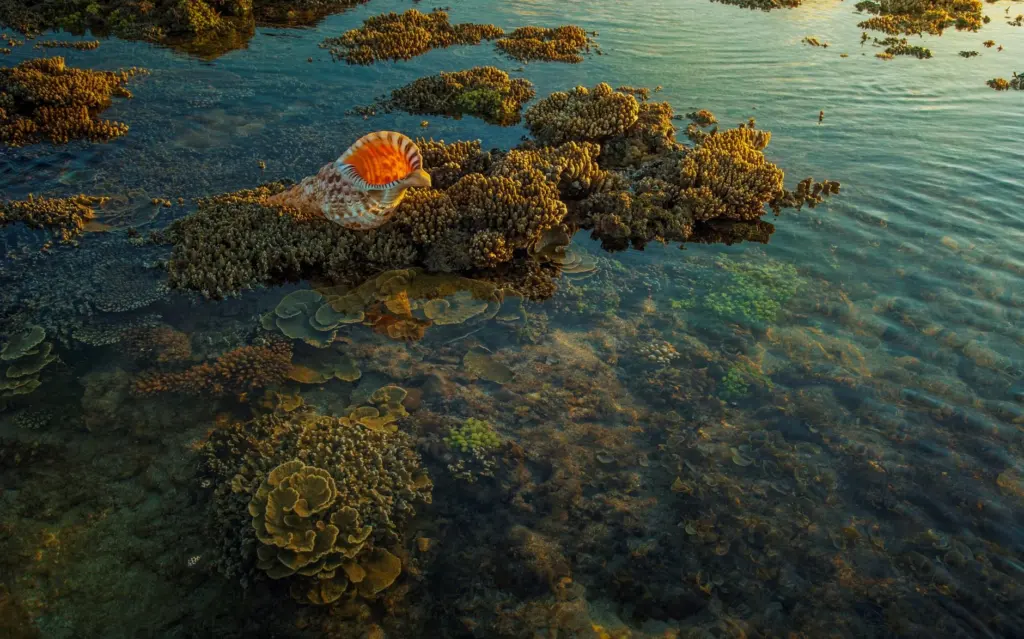
A reef turns a routine fall into an injury risk, because the surface you land on is hard and uneven instead of soft sand. Waves that break over a reef also concentrate that risk, since the rider is thrown down in the shallowest, most crowded part of the break.
Wind direction decides how much room you have. Global Rescue notes that direct onshore winds carry the risk of tossing the rider onto land or getting stuck in shallows. Over a reef flat, that means being pushed into the very water you least want to be stuck in. Direct offshore winds carry a different danger: the rider can be blown away from shore after an equipment failure, so a reef session needs a rehearsed escape plan as well as a depth check.
Questions to settle on the beach
- Where is the shallowest part? Watch the break for a while and note where waves stand up and where the bottom shows through. Local riders and instructors can tell you how the depth over the reef changes through the day.
- Where is the exit? Identify a sandy channel or deeper lane for entering, leaving and recovering a board, rather than walking across the reef.
- What happens if the kite drops? Work out where the wind would push you and your kite after a crash, and avoid launching if the answer is onto rock or shallow coral.
If you are choosing a destination, the best wave kitesurfing spots in the world are worth comparing region by region, then applying this checklist to the specific break you pick.
Foot and skin protection
Reef booties for kitesurfing suit anyone who has to walk, launch or recover a board over rock or coral. The bootie decision is about what happens when you step off the board without warning, not about comfort on the sand.
Choosing booties
- Fit that stays on. A bootie that slips off in the first fall protects nothing, so choose a snug fit that works with your footstraps or board setup.
- A sole that grips wet rock. Walking out over a reef is where most foot damage is likely, so prioritise a sole you trust on uneven, slippery ground over a thin, flexible sock.
- Coverage matters. Booties protect the foot, not the shin or hands. A full-length wetsuit adds abrasion cover for the rest of the body on a rough landing.
Booties do not replace judgement. They make a scrape survivable, but they will not make a shallow, rocky landing safe.
Cuts and coral scrapes
Any reef session should end with a check of the feet, legs and hands. Clean wounds promptly, cover them with sterile dressings, and see a medical professional for anything deep or that keeps bleeding.
Launching from a rocky beach
Launching from a rocky beach is safe only when the wind direction and the layout of the shore leave room for error. A rocky shoreline gives a rider no soft margin, so any mistake with the kite is paid for on rock.
Direct onshore wind is the main reason to be cautious: it is the wind that can toss a rider onto land. On a rocky shoreline, that means being tossed onto rock. If the only clear launch area is a narrow sandy strip between boulders, treat it as a reason to wait for a different wind direction or to move to a better beach.

Setting up around rocks
- Keep the kite away from people. Kitegeneration’s safety rules say to give way to bystanders and never fly your kite over a non-participant. Small rocky coves attract walkers and swimmers, so this rule bites often.
- Walk the launch zone. Look for submerged rock at the water’s edge before wading in with a board.
- Know your abort option. If the wind direction or a gust makes the shore the likely landing spot, do not launch.
Weather that shifts quickly makes every one of these margins thinner, so read kitesurfing squall safety before committing to a tight launch.
Match each hazard to a gear choice and response
Seabed and marine hazards overlap, so a single checklist works better than separate lists. The table links each condition to a decision you can make before launching or in the moments after a problem.
| Hazard | What it does | Planning use |
|---|---|---|
| Direct onshore wind | Can toss the rider onto land or into shallows | Avoid launching from rock or over a reef flat on this wind; the fall zone is the hazard. |
| Direct offshore wind | Can blow the rider away from shore after equipment failure | Rehearse release and escape options before riding out. |
| Attached jellyfish tentacles | Can sting the person helping | Use protection and local guidance for removal; do not wipe them off bare-handed. |
| Fresh water or common liquids on a sting | Can worsen discharge for some species | Do not rinse by default; follow local guidance. |
| Breathing difficulty, confusion or collapse after a sting | Not a local skin problem | Call emergency services (911 where that is the local number) and follow their direction. |
The wind-related rows draw on Global Rescue’s kiteboarding travel guidance, and the sting rows draw on first aid guidance on jellyfish and other marine stings.
Jellyfish stings
Jellyfish stings while kitesurfing are a problem because you are often far from the beach when the pain starts. Pain or weakness can create a drowning risk, so the first move is to move to a stable area, not to treat the sting where you are.
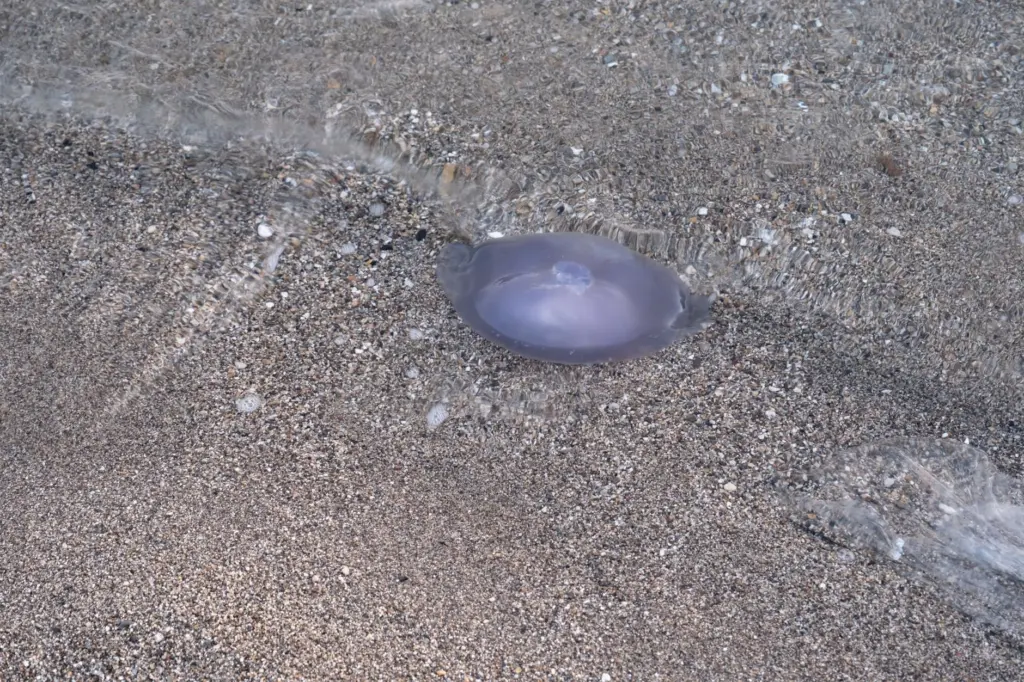
How to treat a jellyfish sting after kitesurfing
- Leave the water. Ride or swim in, using your kite’s release options if you cannot keep control, and get to a place where you can stand or sit safely.
- Protect the helper’s hands. Attached tentacles can sting the response partner, so use protection and follow local guidance for removal.
- Hold off on fresh water and household liquids. They can worsen discharge for some species, and a universal household remedy can make the injury worse.
- Get local advice. Beach lifeguards or posted signs will know which species are present and what treatment suits them.
- Escalate quickly when symptoms spread. Breathing difficulty, confusion or collapse is not a local skin problem. Call emergency services and follow their directions.
Kitesurfers who ride in areas with known jellyfish should ask about local species before the session, not after the first sting.
Kit and escape plan
Gear for marine hazards is partly protective clothing and partly the means to get out of trouble. Global Rescue lists three ways a kiteboarder can shed kite power: let go of the control bar, eject the chicken loop, or discharge the leash. Practise each on the beach, because a rider tangled near rocks or reef needs the action to be automatic.
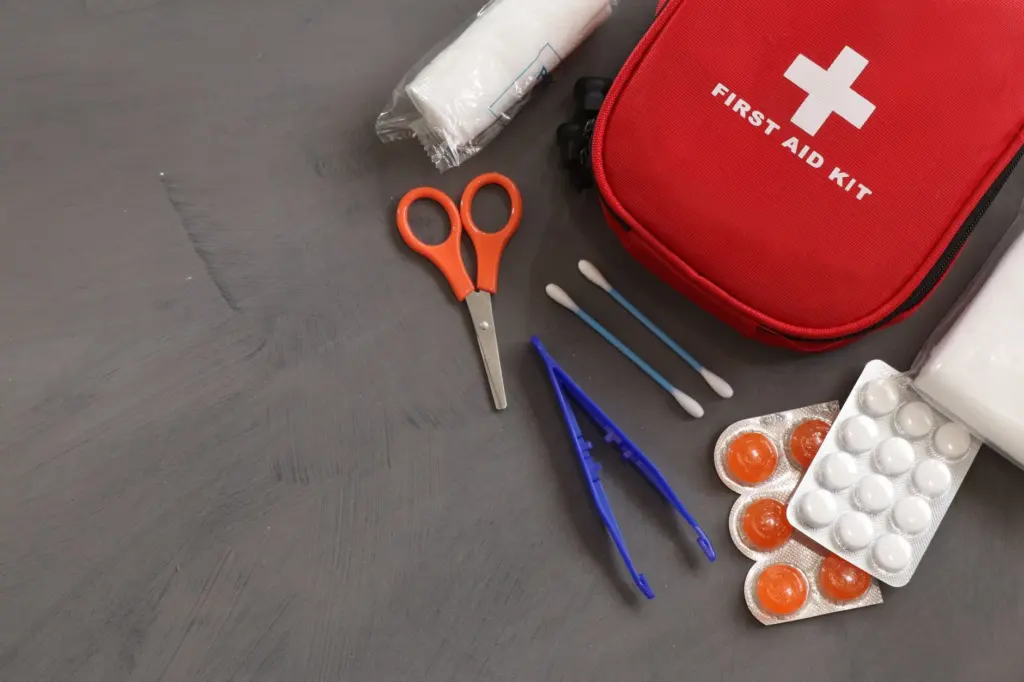
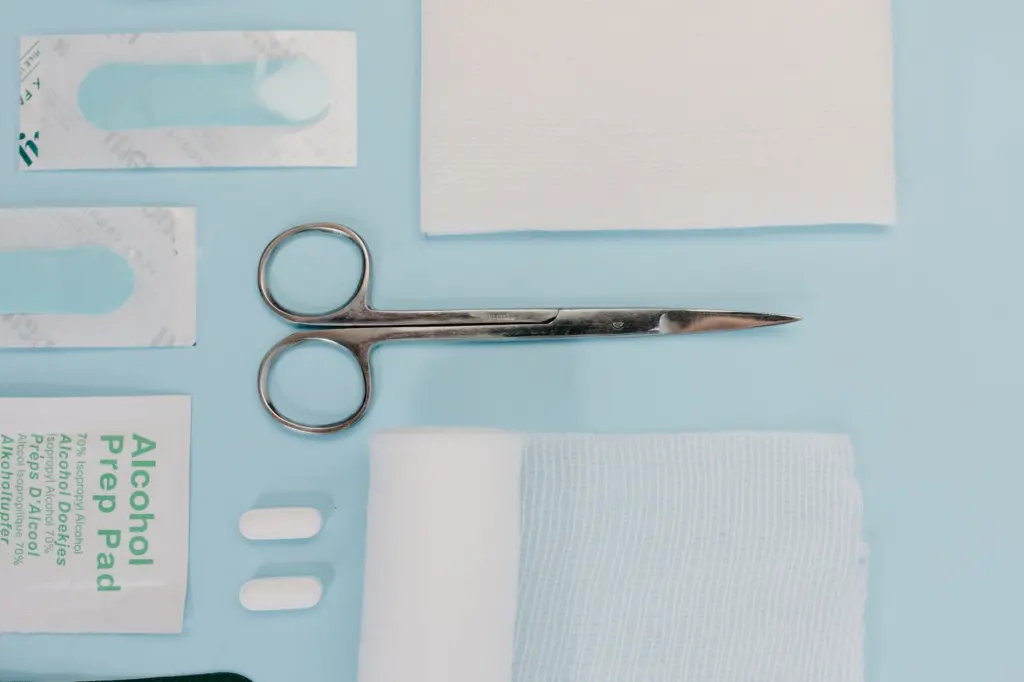
- Beach kit. Keep dressings, scissors, tweezers and gauze together and within reach of the launch area, and add any sting product your local lifeguards recommend.
- Protective layers. Pack booties and a full-length suit as standard for reef or rocky sessions, not as optional extras.
- Escape rehearsal. Run through the release options with your kite depowered before each new spot, since each break puts you at a different distance from rock and reef.
Crowds, waves and right of way at reef breaks
Reef breaks concentrate riders into a small, shallow area, so priority rules protect you from collisions at the worst place to fall. Kitegeneration states that the first kiteboarder to catch a wave has the wave, and advises looking in all directions, including up, before you jump.
Over a reef, a jump that ends in a collision or an unplanned landing is worse than the same jump over deep water. If the lineup is crowded, wait for space rather than forcing a wave.
Frequently asked questions
| Question | Answer |
|---|---|
| Who has the right of way on a wave? | The first kiteboarder to catch a wave has the wave, according to Kitegeneration’s safety rules. |
| Can I fly my kite over boats or people on a rocky beach? | No. Kitegeneration advises never flying over a non-participant, a windsurfer or a sailing boat, and never jumping boat wakes with a kiteboard. |
| Is there one household remedy for all marine stings? | No. First aid depends on the species and the location, and a universal household remedy can make the injury worse. |
| Do reef booties make a reef safe to ride over? | They protect your feet when walking or stepping off the board, but they do not remove the risk of a fall onto shallow reef. Wind direction and depth still decide whether to ride. |