Standing on the beach with a freeride kite and a clean swell, the best kite for waves is usually a dedicated wave kite: light, quick to turn, easy to depower and happy to drift downwind with you.
Quick picks by trait:
- Drift first: Cabrinha Drifter Apex.
- Smooth and predictable: the standard DUOTONE Neo.
- Sharp and precise: DUOTONE Neo SLS or Neo D/LAB.
- Already own a hybrid freeride kite: keep it for now, and accept the upwind trade-off covered below.
For the wider skills picture, see how to kitesurf in waves. This list ranks kites by wave-specific traits (drift, depower and low-end power) rather than by general performance.
What makes a kite a wave kite
A wave kite is built for surfing rather than for jumping or tricks. The Hyères kite school describes wave kites as dedicated to surfing. A Seabreeze forum poster describes them as typically lower aspect, short and fat, quick to turn and strong on depower at the bar.
Those traits give this list its selection criteria:
- Drift: how easily the kite travels downwind with you instead of fighting the ride.
- Depower: how much pull you can dump through the bar when a gust or a steep section arrives.
- Relaunch: the same forum thread says wave kites relaunch like a rocket, which matters when a wipeout drops the kite in the water.
- Size and weight: one forum rider ranks a size of 9 m² or less first, then drift, upwind ability, quick relaunch and light construction. That is one rider’s priority order, not a rule.
Your board is a separate decision from your kite. It is covered in directional vs twin tip kiteboard waves.
Cabrinha Drifter Apex: the drift-first pick
The Cabrinha Drifter Apex suits riders who want a kite that follows the wave. The iKsurf review calls it a surf-oriented kite designed around down-the-line drift, rapid steering and immediate power control.
Kite drift is the kite’s willingness to move downwind with you. The Seabreeze thread lists drifting downwind easily as a wave-kite trait alongside quick relaunch. The iKsurf review pairs drift with steering and power control, which suggests a kite you can leave parked while you concentrate on the wave face.
A common objection is that drift costs upwind ability. An experienced rider in the same forum thread disputes this and names the Ozone Reo and the Cabrinha Drifter as wave kites that go upwind well. His argument is that a wave kite that cannot go upwind is a pretty useless kite.
The limit is that drift-led designs are surf tools. If most of your sessions are flat-water freeriding, a drift-first kite is the wrong place to spend money.
DUOTONE Neo 2027: smooth and predictable
The standard DUOTONE Neo suits riders who want a calm, readable kite. The iKsurf review describes the Neo 2027 as a wave and strapless-freestyle kite built around predictable handling, drift and smoothly delivered power. It calls the standard Neo Duotone’s dependable wave kite for riders preferring smooth, predictable handling over the sharper SLS.
That makes it the sensible default if you are moving from a freeride kite and want a surf kite that does not punish small mistakes. If you ride without straps, our strapless kitesurfing tips pair well with a kite that behaves consistently.
The trade-off is response. Riders who want the quickest steering will find the reviewer pointing them to the SLS instead.
Neo SLS 2026 and Neo D/LAB: sharper wave options
These two suit committed riders who already know what they want from a wave kite. The iKsurf review calls the Neo SLS 2026 a precision wave kite for committed riders needing rapid steering, dependable drift and a stable canopy.
The same review describes the Neo D/LAB as Duotone’s premium wave kite for committed riders seeking low weight, precise steering and controlled drift. Choose the SLS when quick steering and a stable canopy matter most. Choose the D/LAB when low weight and the premium tier are worth the step up.
Both are aimed at committed riders. If you are still building wave skills, the standard Neo above is the better fit.
Using a freeride kite in waves
Yes, a freeride kite can work in waves, but you give up some wave-specific behaviour. The Hyères school’s sizing advice for surfers includes hybrid kites alongside C-kites, and it says hybrids represent the majority of the world market. A hybrid is therefore a recognised starting point, not a mistake.
The shape matters more than the label. The Seabreeze thread notes that a C-kite sits deeper in the window and lacks the upwind efficiency of a flatter-arc kite. It also says freestyle kites are C-kites built for powered, unhooked tricks. A trick-oriented C-kite is therefore the weakest fit for waves, while a flatter-arc hybrid is the more forgiving compromise.
Keep the freeride kite if you split your time between flat water and small surf. Buy a wave kite once drift, relaunch and depower become the things holding your riding back.
Kite size and wind range for waves
Kite size follows rider weight, wind strength and kite type. The Hyères kite school calls steady force 3 to 4 wind from one direction ideal. Its examples show that a hybrid is sized smaller than a C-kite for the same rider.
| Rider and conditions | Kite size | Planning use |
|---|---|---|
| 60 kg surfer | 9 m² hybrid or 10 m² C-kite | The hybrid is the smaller of the two options. |
| 80 kg surfer | 12 m² hybrid or 14 m² C-kite | A heavier rider moves both options up the size range. |
| 75 kg, summer light wind | 12 m² | The largest of the three sizes quoted for this rider, for light days. |
| 75 kg, mid-season | 9 m² | A middle size for typical seasonal wind. |
| 75 kg, winter | 7 m² | The smallest of the three, for stronger winter wind. |
These sizes come from the Hyères kite school’s guide, written for surfers and not specific to any one wave kite model.
Treat these as starting points, not a quiver plan. A forum rider’s wish for a wave kite of 9 m² or less, from the Seabreeze thread, fits the school’s mid-season figure for a 75 kg rider. It does not cover the school’s larger light-wind size.
How a wave kite should feel in gusty wind
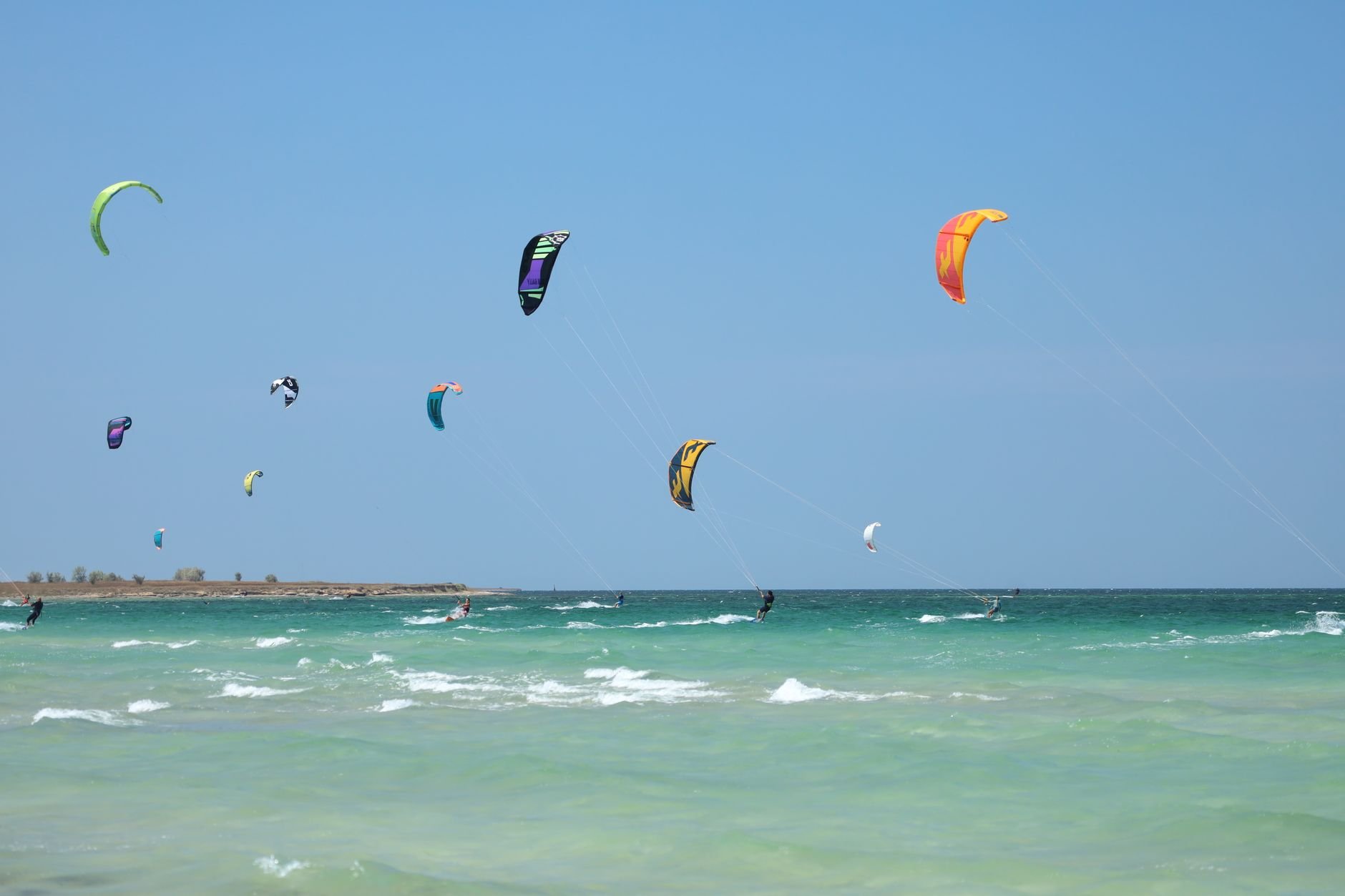
A wave kite should feel forgiving and controllable, not fast and twitchy. The Hyères school warns that a wing that is too fast will make you fall at the slightest error on the bar. It adds that a good beginner’s wing has moderate speed. Steady force 3 to 4 wind is the ideal the school describes, so gusty days ask more of the kite.
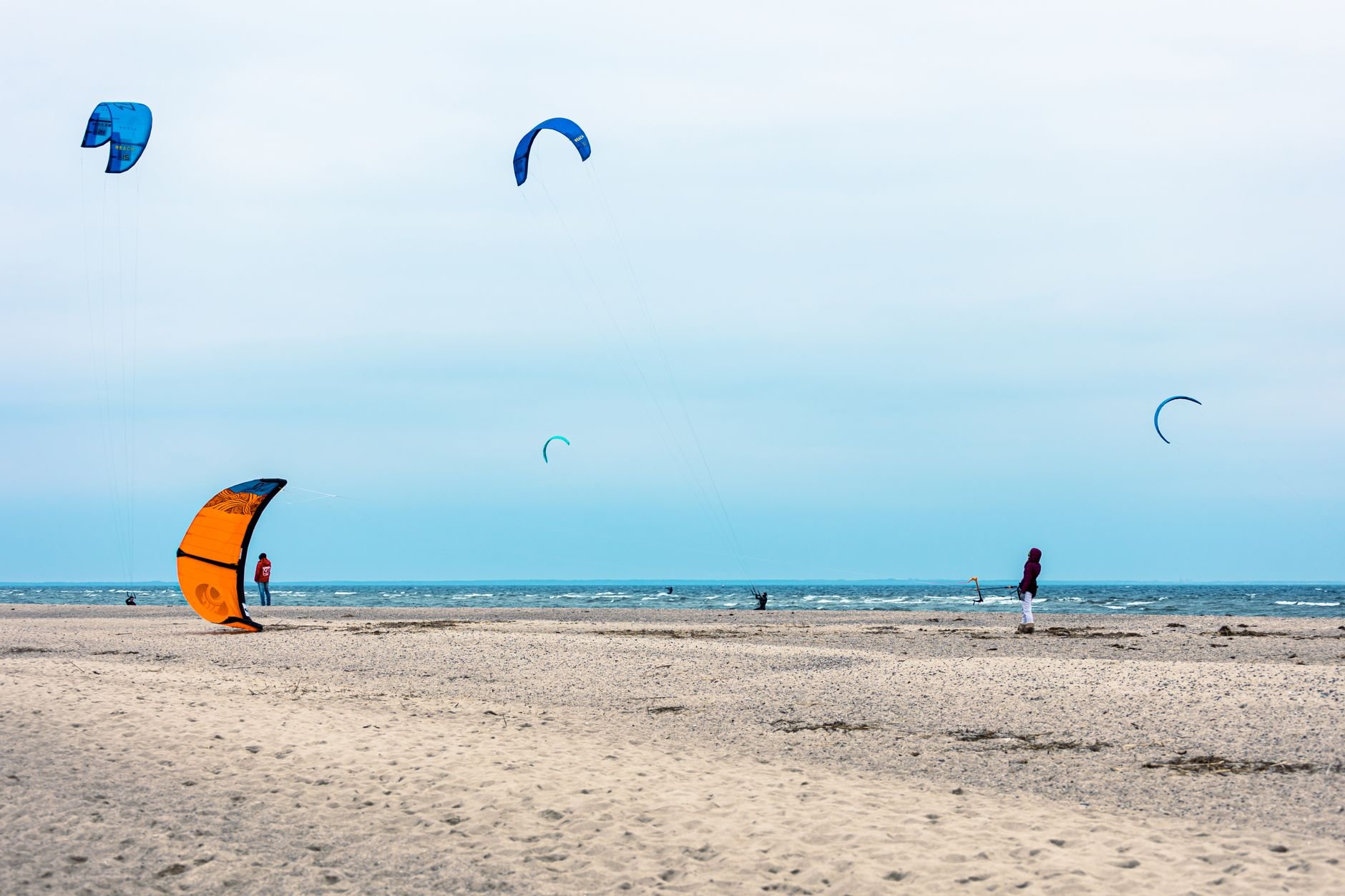
The reviews describe the same qualities from the kite side. The iKsurf review credits the standard Neo with smooth, predictable handling. It credits the Neo SLS with a stable canopy and the Drifter Apex with immediate power control. Those are the traits to look for when gusts arrive.
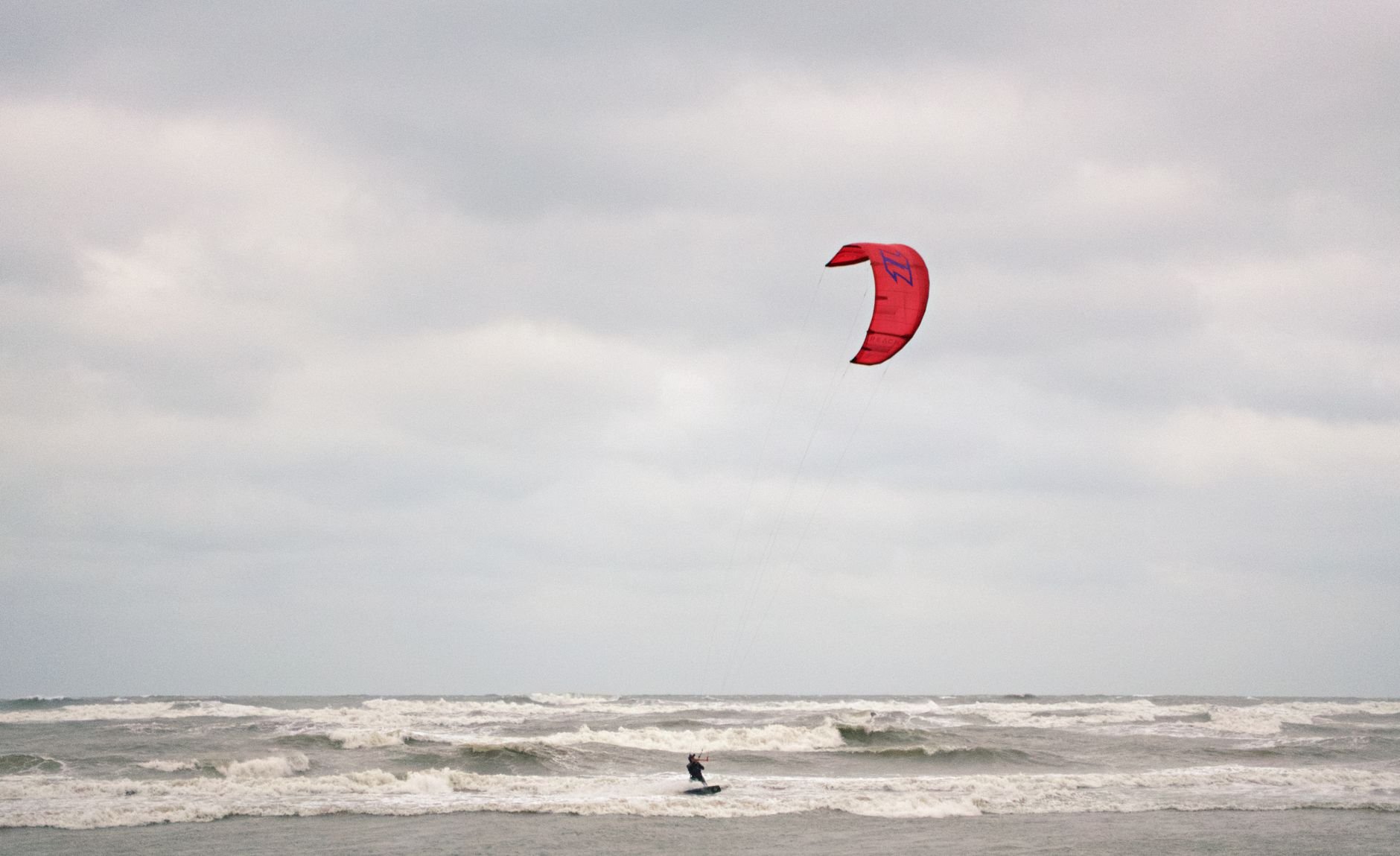
Depower is the other half of the answer. The Seabreeze thread describes wave kites as having good depower at the bar, so the bar and lines let you dump pull quickly. Test that on the water before you commit, because it is the feature that decides how a kite handles a gust.
Decision checklist
- Decide what you value most: drift for the Drifter Apex, predictable handling for the standard Neo, or sharp steering for the SLS and D/LAB.
- Match the size to your weight and your usual wind using the table above, remembering that a hybrid runs smaller than a C-kite.
- Choose a moderate-speed kite if you are still learning, and save the faster, more precise designs for later.
- Check how much depower the bar gives you before relying on it in gusty surf.
- Stay with your hybrid freeride kite if you only surf occasionally, and move to a dedicated wave kite when the surf sessions justify it.
Frequently asked questions
Is there a foil kite built for waves?
One forum poster on Extreme Kites says only one foil kite is actually designed for waves, the Concept Air Wave. Treat that as a forum view, not a test result.
Are wave kites only for surfing?
The Hyères school calls wave kites dedicated to surfing. Some designs stretch further, and the DUOTONE Neo is described as a wave and strapless-freestyle kite.
Does a lighter kite matter in waves?
It can. A Seabreeze forum poster says the Reo’s light weight helps it sit in the power zone when the lines go slack. The same thread says wave kites typically have 3 struts and thinner material, making them lighter than a freestyle kite.
How large can kites get?
The Hyères school says kite surface varies from 5 to 17 m². Use the sizing table above to find where your weight and wind fall within that range.