Quick answer: for directional vs twin tip kiteboard waves, a directional board is the better wave tool because you can move your feet and the board is built for one riding direction. A twintip stays easier for riders who prefer one fixed stance.
The sections below compare the two boards on shape, stance, straps and sizing. For the wider skill set, see our guide on how to kitesurf in waves.
Directional and twintip boards side by side
| Criterion | Directional kiteboard | Twintip kiteboard | Planning use |
|---|---|---|---|
| Shape | Shaped tail and front | Symmetrical | Shape decides whether you ever need to switch ends of the board. |
| Riding direction | Ridden one direction only | Ridden the same in both directions | A twintip never asks you to turn the board around; a directional asks you to turn it on the wave. |
| Stance | Free to move your feet on the board | Stance stays constant once the pads are set | Foot movement is what lets you trim the board on a wave face. |
| Footstraps | Can be ridden strapless or strapped | Normally set with pads and straps | Strapless riding is a directional-board choice, covered below. |
Definitions come from Kite Generation’s board parts guide, and the stance comparison from the Tabula Rasa directional board guide.
What a directional kiteboard is
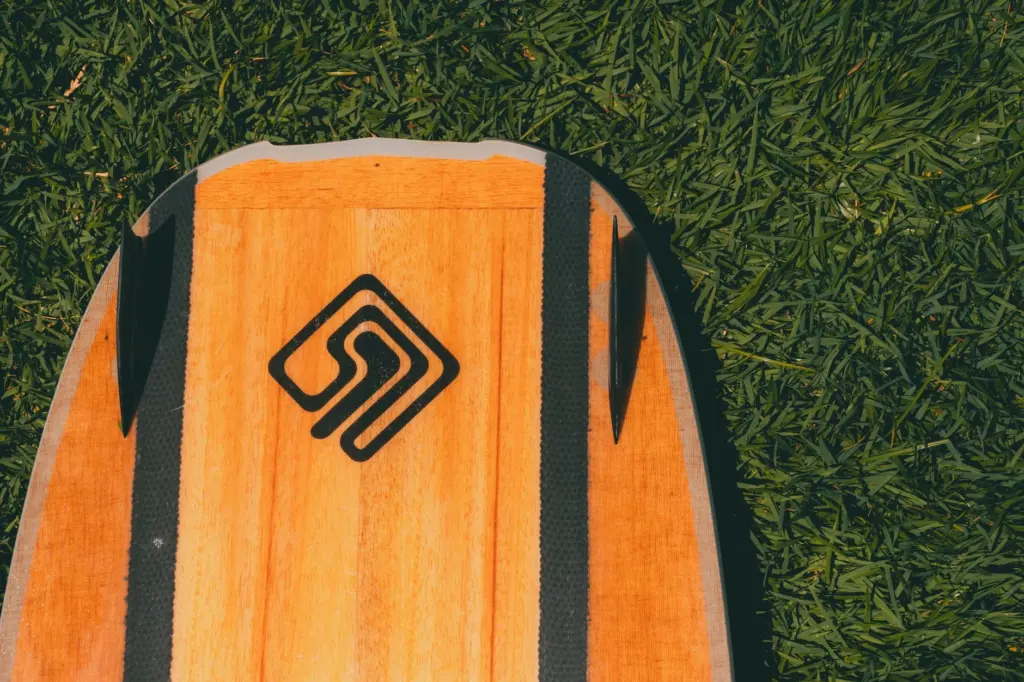
A directional kiteboard is a board with a shaped tail and front that can only be ridden in one direction, according to Kite Generation. Surfboard-style kiteboards are the typical example. A twintip is the opposite: symmetrical, and ridden the same way whichever end leads.
Three design features explain most of the difference in feel.
- Fins: fins provide stability while riding. On a wave board they matter more than on a flat-water twintip, because the board is working against a moving, uneven surface.
- Rocker: a big rocker gives comfortable riding and the board catches less during manoeuvres, while a little rocker gives fast, precise edge control for popping. Rocker is a trade-off, not a quality score.
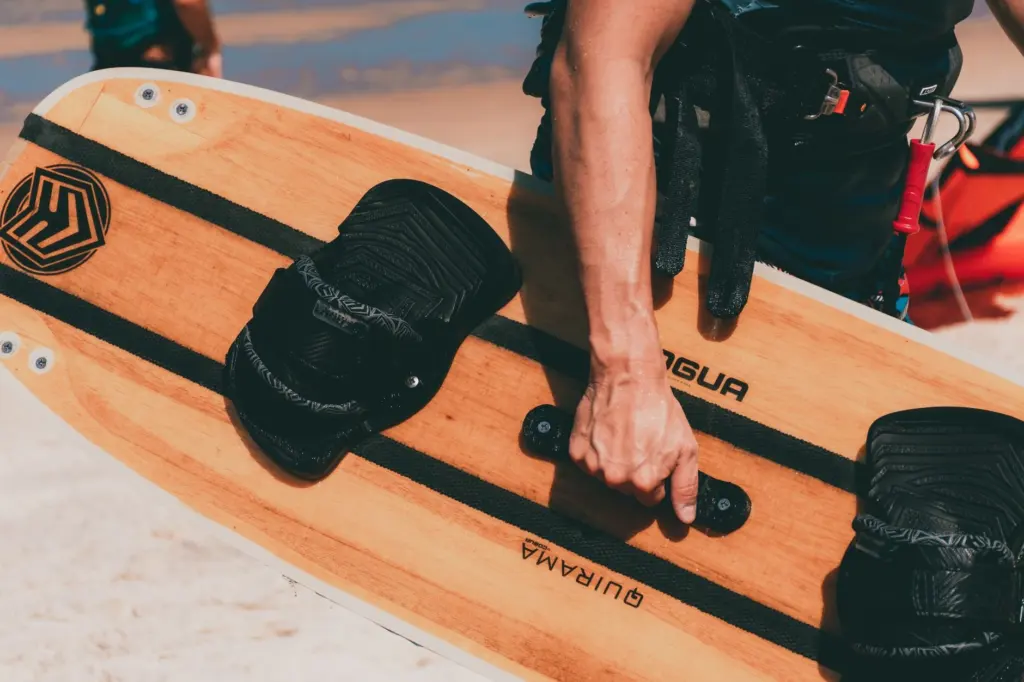
- Footstraps: straps let the feet be attached to the board. Whether you use them is the biggest practical split between wave setups.
Wave performance: which board works better
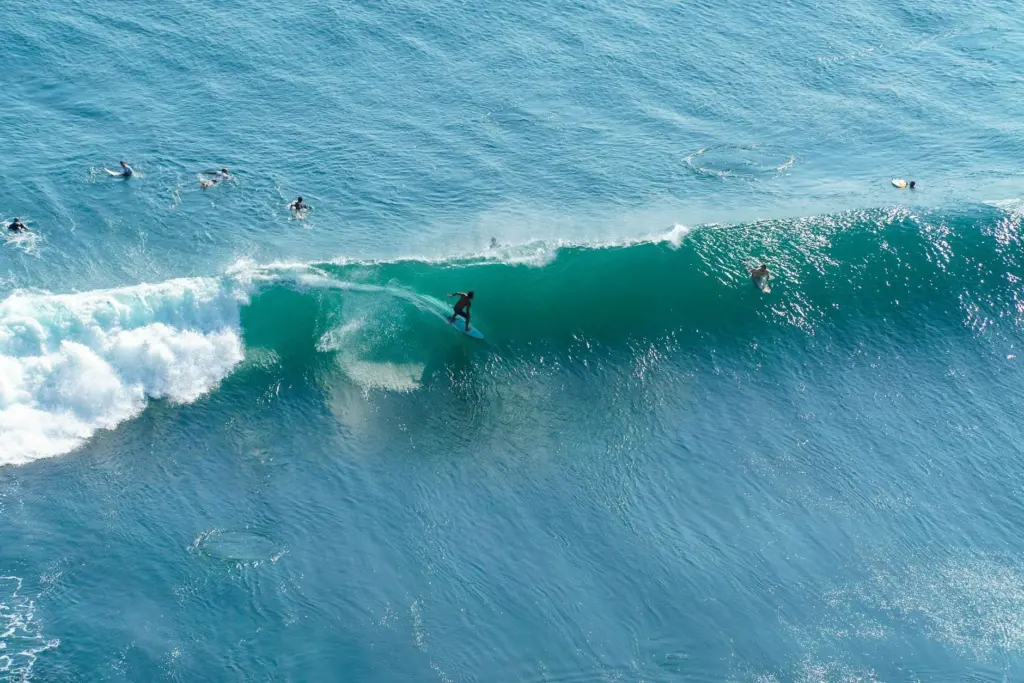
A directional board is the better choice for waves because the rider can move on it. The Tabula Rasa guide notes that on a directional you are free to move your feet on the board, whereas on a twintip the stance is constant. Moving your feet lets you shift weight toward the tail for a turn and forward for speed down the face.
Directional boards for kiting are also built for the job. Squamish Water Sports points out that kiteboarding surfboards usually have much thicker glassing on the deck than a standard surfboard, which suits the loads that come from the kite.
Riding waves on a twintip
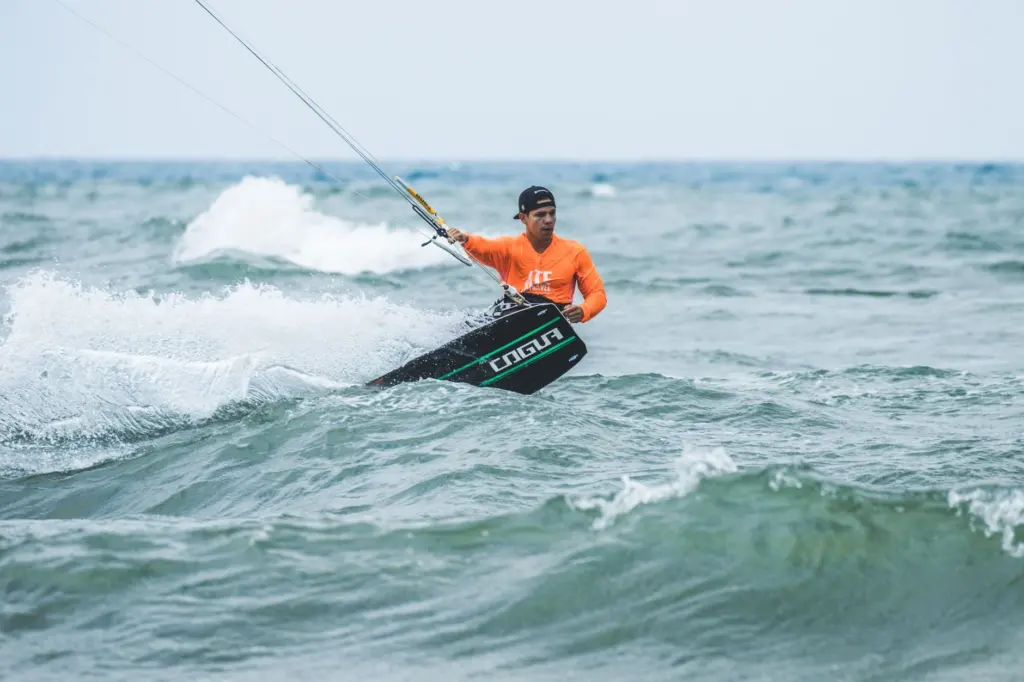
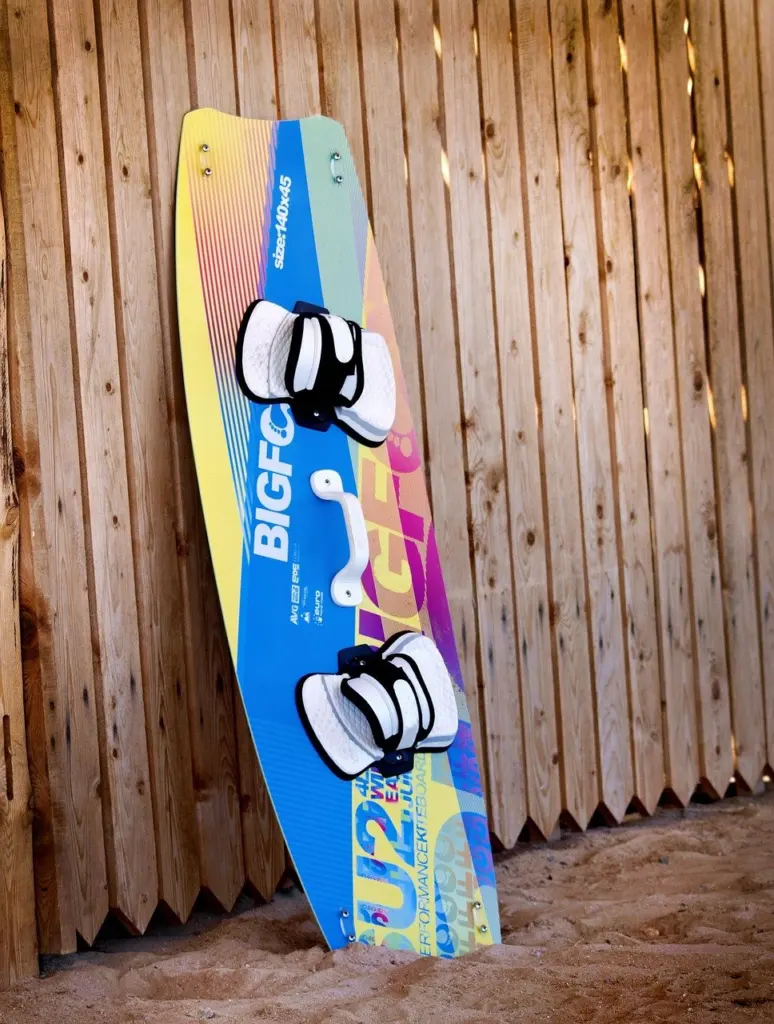
You can ride waves on a twintip, and its symmetry means you never turn the board around, so it suits a rider who wants familiar footing. The cost is the fixed stance. With no foot movement, you steer the board mainly through edging and kite position instead of trim. Treat a twintip as a way to get comfortable in small surf, and switch to a directional when wave riding becomes the main goal.
Getting through the foam
Whatever board you choose, you will meet whitewater on the way out. On a directional, Tabula Rasa advises pushing hard with your back foot to lift the nose over the foam. That technique depends on having a board you can weight at the tail, which is an advantage of the directional shape.
Strapless or strapped for beginners
A beginner can ride strapless on a directional board, but the choice depends on the board and the surf. For a directional, the Tabula Rasa guide advises starting without a strap. It also warns that getting over waves without straps may seem really difficult at first, so timing is critical.
General kiteboard advice from Squamish Water Sports goes the other way: if you are a beginner, straps are the way to go. The two views fit together once you separate the boards. Beginners on a twintip should use straps. Beginners moving onto a directional can start strapless, ideally in small, forgiving conditions where mistimed foam is not a problem.
Straps pay off later. Squamish Water Sports says they allow you to surf in bigger waves, turn harder and boost some airs. If your goal is heavier surf and sharper turns, plan to add straps once your board control is solid. Whichever route you take, carry the kitesurfing safety equipment that open-water riding calls for.
Choosing a wave board size
Board length scales with rider weight, and the starting figures below come from a retailer’s general kiteboard guide. They are a starting range, not a wave-specific prescription.
| Rider weight | Board length range | Planning use |
|---|---|---|
| Under 150 lb | 136-148 cm | Start at the lower end for agility, higher for early planing. |
| 150 to 200 lb | 145-160 cm | The widest overlap with the other bands, so wind and skill decide. |
| Over 200 lb | 150-165 cm | Expect to sit in the longer part of the range. |
Length ranges are from Squamish Water Sports’ kiteboard guide.
Within your band, let conditions and experience move you up or down. Kite Generation describes long boards as forgiving and good for low wind, thanks to early planing, and short boards as good for strong winds, agile and loose.
- Beginners: Tabula Rasa says to look for a rather large board without too much rocker. That means more volume and a more forgiving platform while you learn.
- Stronger riders in stronger wind: a shorter board is more agile, and Tabula Rasa notes it needs less foot movement.
- Light-wind days: favour the longer end of your range so the board gets planing early.
Board volume and kite size work together, so look at the best kite for waves alongside your board choice.
Who should choose which
- Choose a directional if waves are the main goal, you want to trim with your feet, and you are willing to learn to turn the board on the face.
- Choose a twintip if you mostly ride flat water, want the same ride in both directions and only dip into small waves.
- Choose strapless on a directional if you are starting wave riding and surf is small enough to practise getting over foam.
- Choose straps if you are a beginner on a twintip, or an experienced rider heading into bigger waves and harder turns.
Frequently asked questions
How many fins does a wave board use?
Surfboard-style kiteboards typically use a thruster (three fin) or quad (four fin) configuration, according to Squamish Water Sports.
Why is the deck of a kiteboarding surfboard built thicker?
Kiteboarding surfboards usually have much thicker glassing on the deck than standard surfboards. That reinforcement is what separates them from boards made for paddle-in surfing.
How wide is a typical kiteboard?
The average width is around 40-43 cm across the middle, per Squamish Water Sports. Length, rather than width, is the main variable in the weight-based sizing ranges.
Who uses boots instead of straps?
Boots are designed for advanced riders who want to do spins, according to Squamish Water Sports. They are a freestyle option, not a starting point for wave riding.