Quick answer: Choose a small chase-and-rescue craft as the support boat for kitesurfing expedition days, fit it with a VHF radio, reboarding gear and lifejackets, and check your maritime authority’s equipment rules for its size and waters.
This craft is different from the larger live-aboard vessel. It sits within a wider kitesurfing team expedition, and the planning side is covered in how to plan a kitesurfing expedition.
Choosing the chase boat
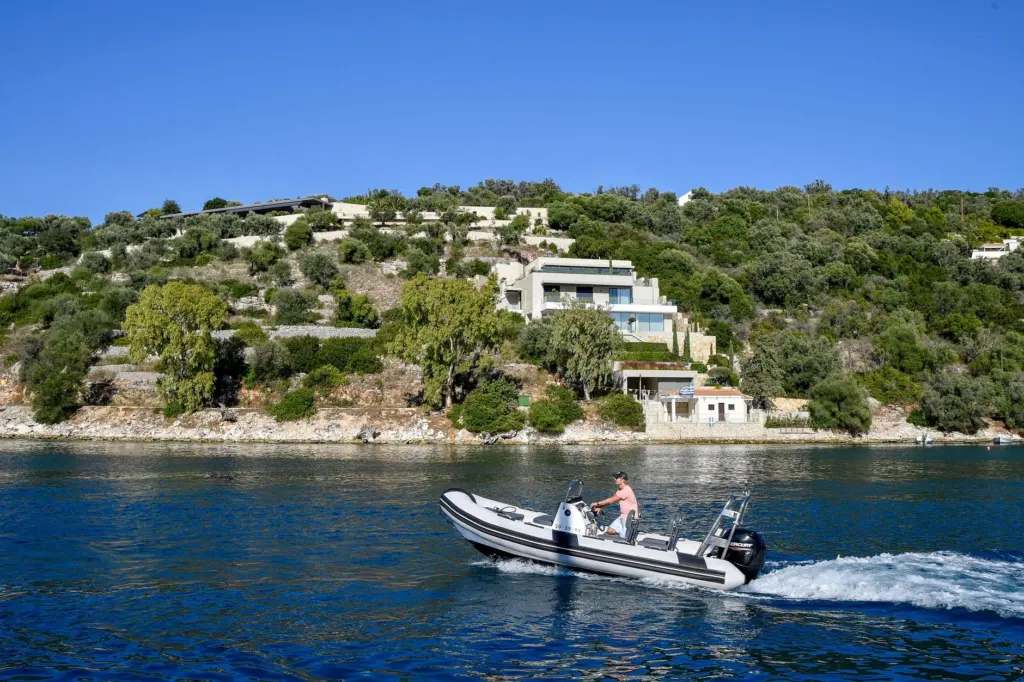
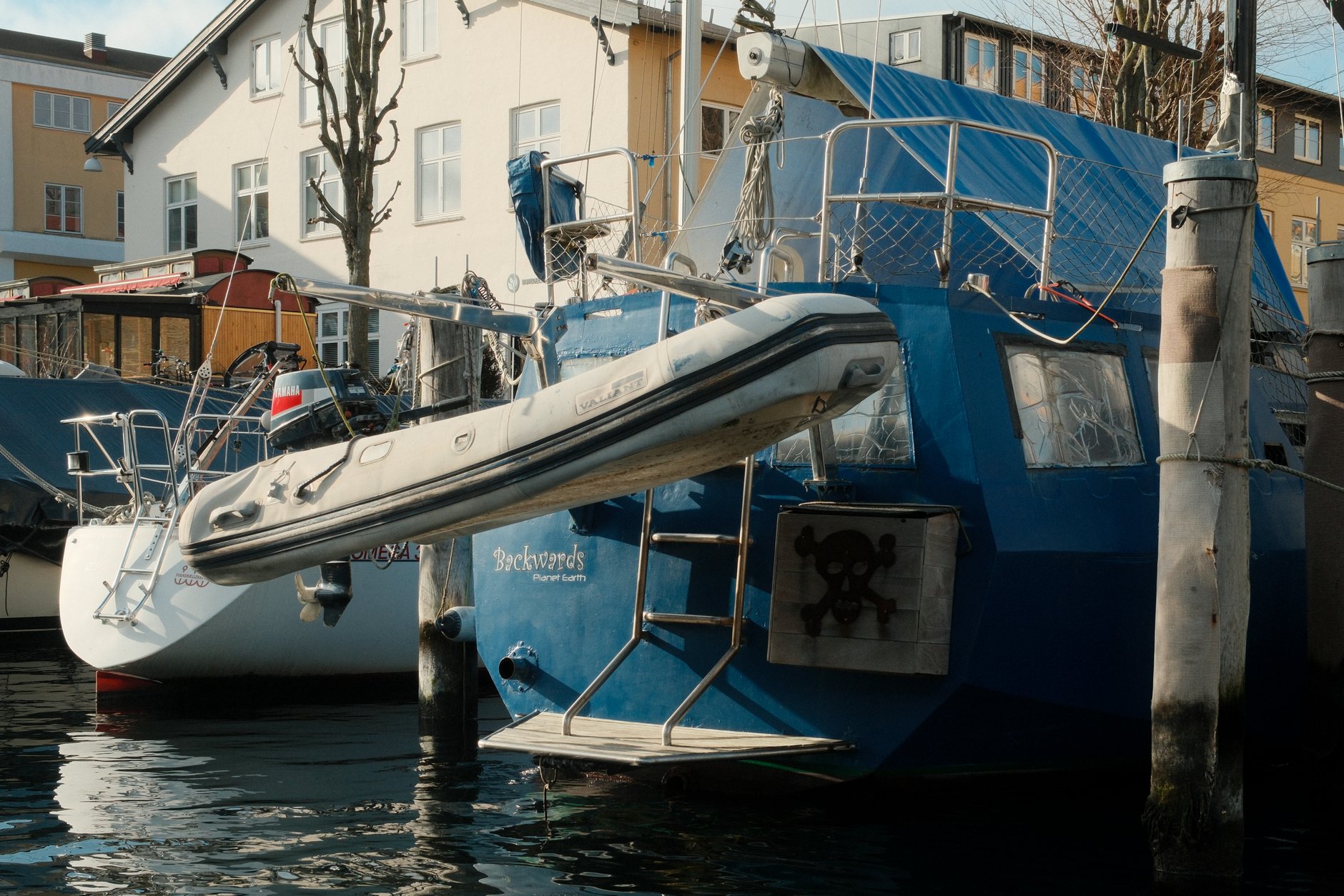
The right chase boat reaches a tired or injured rider quickly, stays manoeuvrable beside them and brings them aboard without a struggle. A rigid inflatable suits that job because it is compact and agile. A larger yacht is better treated as a base than as a rescue craft.
- Quick to reach riders: Judge the boat by how fast and how precisely it can get alongside someone in the water, not by its top speed or its size.
- Easy recovery: A low, uncluttered stern or side makes it simpler to get a rider out of the water. Freeboard also decides whether a reboarding device is legally required, as covered below.
- Room for people and gear: The deck needs space for a skipper, a lookout, a rescued rider and loose kit, with no snag points for lines.
- Reliable communications: The boat must be able to call for help and talk to the base vessel or shore. That is why a marine VHF radio comes before any other electronics.
If your group is also weighing a kitesurfing mothership expedition, split the roles. The mothership provides accommodation and range. The tender or chase boat stays with the riders.
Safety equipment a support boat must carry
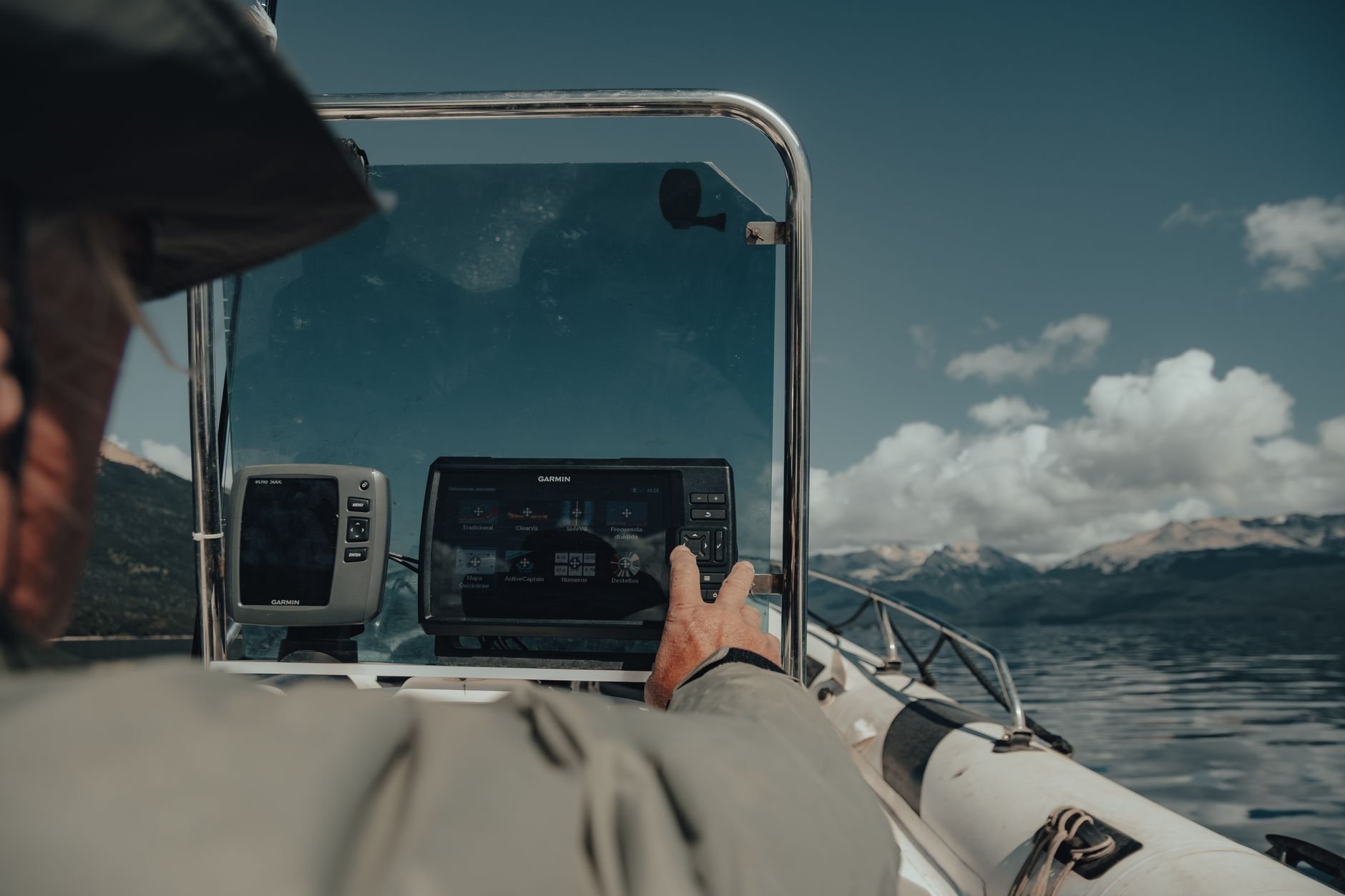
A support boat must carry the equipment its maritime authority requires for its length, its waters and the hours it operates. Requirements vary by jurisdiction and vessel class, so confirm them with the authority that governs your waters before you leave. The table summarises common conditions for small craft and shows how each one affects a kitesurf rescue boat.
| Item | Condition stated | Planning use |
|---|---|---|
| Reboarding device | Required only if freeboard is over 0.5 m | Measure the height a swimmer must climb. Low-sided boats may be exempt, but a boarding aid still helps tired riders. |
| Flares | Not required on a river, canal or lake never more than 1 nautical mile (1.852 km) from shore | Sheltered inshore sessions may be exempt. A crossing or coastal run is not covered by this exemption. |
| Flares with radio | Number may be reduced by 50 percent with two-way communication such as a VHF marine radio | Fitting a VHF radio can cut the pyrotechnic load, but the radio must work and stay within reach. |
| Radar reflector | Required on boats under 20 m | A chase boat falls well inside this size band, so plan to fit one. |
| Magnetic compass | Not required for boats 8 m or less used within sight of navigation marks | The exemption depends on staying near marks. Carry a compass for any leg that leaves them behind. |
These conditions come from a published required-safety-equipment checklist, which is a secondary summary. Treat your own maritime authority’s rules as final.
Legal minimums are a floor, not a rescue plan. For this job, think in terms of what a rider in the water needs: something to hold onto, a way up, a way to stay found and a way to call for help. Lifejackets for crew and for any rider who is recovered belong on board whatever the rules say for your boat class.
Radio, navigation and lights
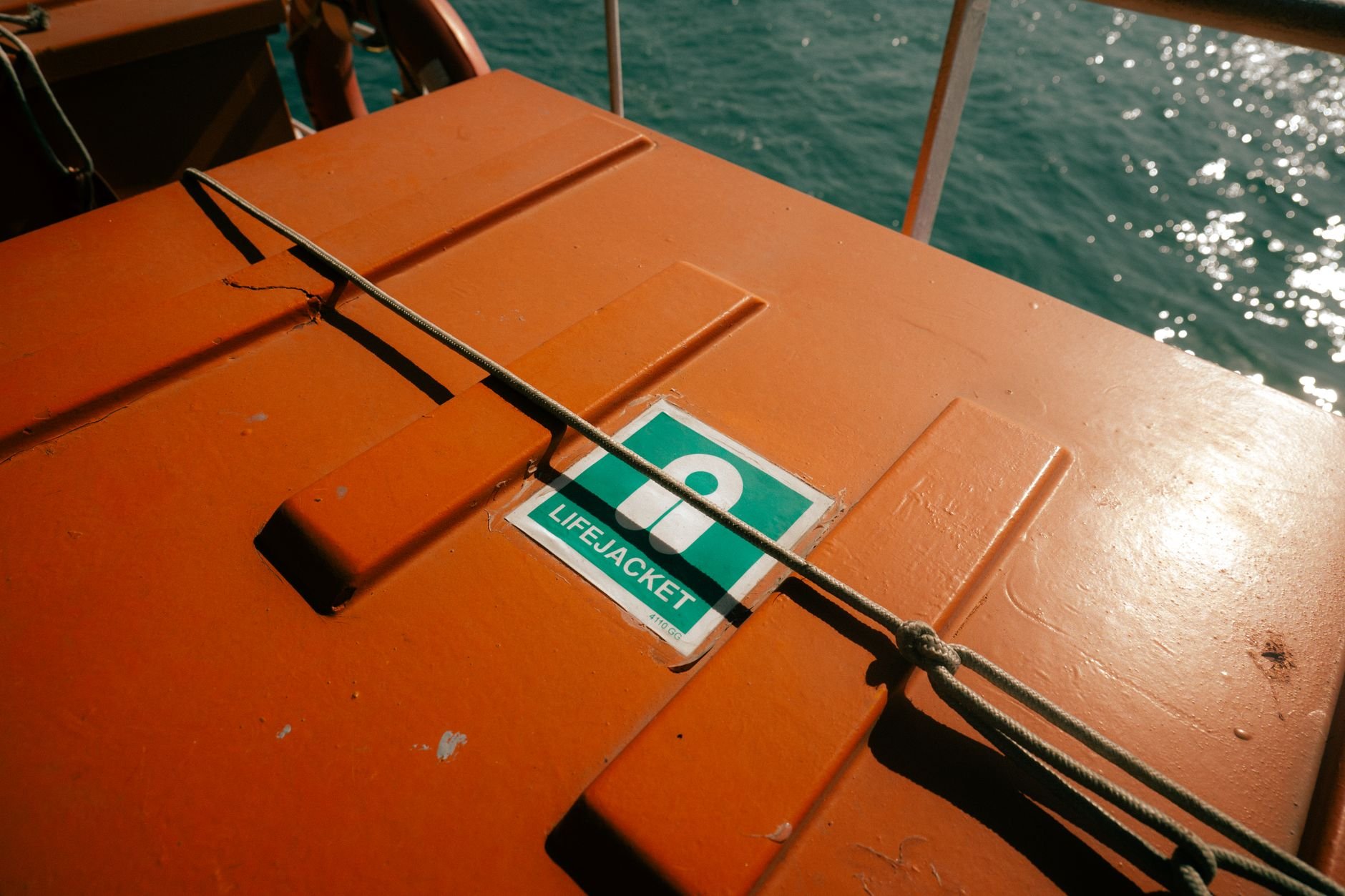
A marine VHF radio is the support boat’s most useful single item. It links the chase boat to the mothership, to other vessels and to rescue services. It also earns a flare allowance reduction in the checklist above, which is a practical reason to treat it as core kit rather than an extra.
Fix the radio where the skipper can reach it without leaving the helm, and agree who answers calls while the skipper is manoeuvring. A handheld backup is a sensible choice if the main set could be soaked or fail.
Navigation lights are required only after sunset, before sunrise or in restricted visibility. Kitesurfing is a daylight activity, so the lights matter when a session runs late or fog or rain closes in. Test them before departure rather than assuming they work.
Positioning and lookout around riders
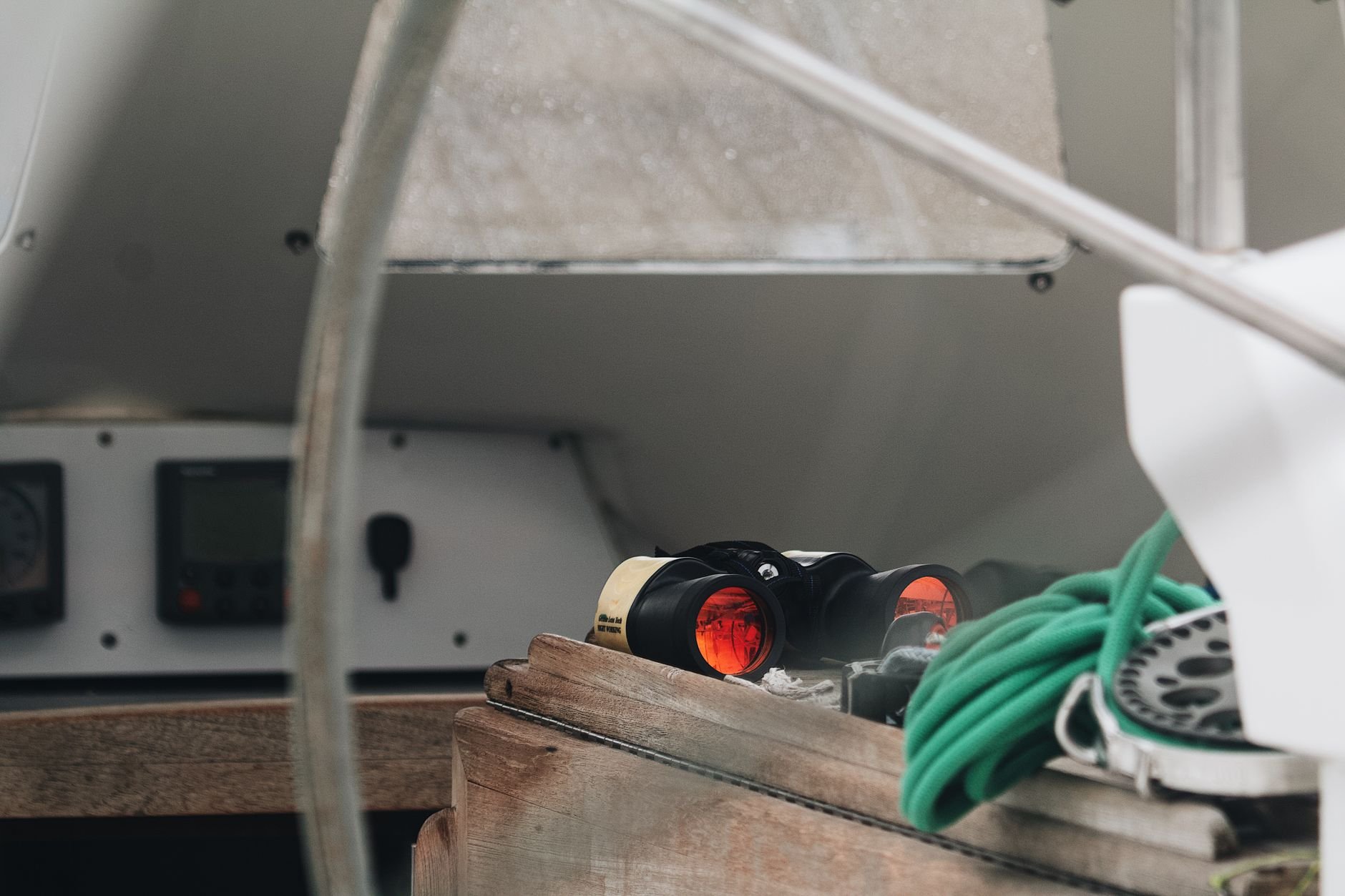
The skipper cannot drive and watch every rider at once. Give a second crew member the lookout job, and let the skipper concentrate on boat handling and radio traffic.
- Keep riders in sight: Sit where you can see the whole group, and tell riders where the boat will be so they can find it if they need help.
- Stay clear of lines and kites: Approach a downed rider in a way that keeps the propeller and the boat away from lines and loose kites. Agree this approach in the briefing.
- Use simple signals: Agree hand signals for “I’m fine”, “I need help” and “coming in” so nobody has to guess from a distance.
- Brief by conditions: If visibility or wind changes, shorten the area you cover and call riders in sooner.
Recovering riders and carrying gear
Recovery decides whether a bad moment stays minor. The freeboard rule in the table is a useful design check: if a swimmer would have to climb more than 0.5 m, a reboarding device is required. If it is lower, a ladder, step or boarding platform at the stern is still worth fitting for tired riders.
Keep the boarding point free of gear. Stow spare kites, boards and lines so they cannot tangle with a rider or a propeller. Kites and boards carried for riders should be secured and kept away from the recovery area.
Carry a first aid kit within reach of the boarding point so a cold or injured rider can be treated at once.
Troubleshooting common problems
- A rider drifts beyond reach: Shorten the riding area and move the boat to the downwind side of the group. A lookout should flag stragglers before they become a rescue.
- The radio goes quiet: Check the set, the antenna and the power first, then switch to the handheld. If the boat relied on the radio to reduce its flare count, restore communication before leaving shelter.
- The deck is too high to board from: Add a ladder or platform, and recheck freeboard against the reboarding rule.
- Visibility closes in: Switch on navigation lights, call riders to shore or boat, and avoid pushing on to finish a session.
- The deck is cluttered: Rearrange stowage so the boarding area, helm and radio stay clear.
Frequently asked questions
What safety equipment must a support boat carry?
That depends on the boat’s size, waters and hours of use. Common items include a reboarding device where freeboard exceeds 0.5 m, flares, a radar reflector and a compass, each with its own conditions, as the table above sets out. Check your maritime authority for the binding list.
Can the mothership double as the rescue boat?
It is better not to rely on that. A large vessel is slow to manoeuvre alongside a swimmer, so use it as the base and keep a small chase boat with the riders.
Are legal minimums enough for a kitesurf rescue boat?
They are a starting point. Add whatever a rider in the water would need, including a boarding aid, communication and basic first aid, even where the rules do not demand it.
Does a daytime session still need navigation lights?
Navigation lights come into play when the boat runs at night, meaning after sunset or before sunrise, or when visibility is restricted during the day. Keep them in working order so they are ready when conditions call for them.